


Advanced Functional Lab Testing for Root Cause Analysis: Comprehensive Functional Medicine Lab Tests for Personalized Health Diagnostics
Advanced functional lab testing is an evidence-informed diagnostic framework that measures biomarkers across body systems to uncover the physiologic drivers behind persistent symptoms. This guide shows how functional medicine uses targeted panels—microbiome profiling, hormone metabolomics, organic acids, micronutrient assessment and toxicology screens—to identify root causes and shape individualized treatment plans. You’ll learn how these panels expand beyond conventional diagnostics, which tests are most informative for common chronic conditions, and what to expect when you pursue testing through Internal Healing and Wellness MD. We map specific panels to conditions such as chronic fatigue, autoimmune disease, digestive disorders and hormonal imbalance, list typical biomarkers and outline common clinical actions. Throughout, practical terms like functional lab testing, root cause diagnostics, comprehensive stool analysis, DUTCH test and micronutrient testing are used in clinician-focused, patient-accessible explanations to help both providers and patients navigate precise diagnostic pathways.
What is Functional Medicine Lab Testing and How Does it Identify Root Causes?
Functional medicine lab testing looks at physiology as a connected system, measuring biomarkers across the gut, endocrine, metabolic and toxicology domains to reveal root causes of symptoms. Tests quantify microbiome patterns, hormone metabolites, organic acids and nutrient or toxin burdens, and clinicians interpret those results by spotting pattern-based abnormalities that point to prioritized interventions. Instead of treating single lab thresholds, this approach focuses on relationships and dynamic ranges—so therapy targets dysfunction that drives symptoms, not just the symptoms themselves. Evidence shows multi-analyte panels can detect dysbiosis, adrenal imbalance, mitochondrial dysfunction and micronutrient shortfalls that conventional testing may miss, improving diagnostic clarity for chronic, multi-system illness. That context helps explain how functional testing differs from standard diagnostics in scope, interpretation and clinical usefulness.
Functional lab testing identifies root causes through a few core mechanisms and advantages for patients:
- Integrated biomarker mapping that connects gut, hormones, metabolism and toxic exposures.
- Pattern-based interpretation that highlights drivers such as inflammation, dysbiosis or nutrient depletion.
- Actionable results that directly inform dietary changes, targeted antimicrobials, supplements and detox strategies.
These principles form the foundation for the clinical benefits we describe next and set up a practical comparison with conventional methods.
How Does Functional Lab Testing Differ from Conventional Diagnostics?
Functional testing differs from conventional diagnostics mainly in three areas: scope, dynamic interpretation and how results guide treatment. Traditional labs often flag single analytes against a population-based reference range; functional labs add depth by measuring metabolites, microbial DNA and nutrient stores and by interpreting patterns across systems to reveal subclinical dysfunction. That broader scope improves sensitivity for complex chronic conditions and supplies more actionable data for personalized care. In practice, clinicians use functional results to build hypothesis-driven treatment plans instead of relying only on symptom suppression.
- Scope and Sensitivity: Functional panels include metabolites, microbial DNA and intracellular nutrient measures that many conventional tests do not capture.
- Interpretation Philosophy: Functional labs emphasize patterns and relative shifts across systems rather than a binary normal/abnormal model.
- Clinical Utility: Results directly inform multi-modal care—diet, supplements and targeted microbial therapies—rather than only confirming late-stage disease.
These differences explain why people with chronic, multi-system symptoms often choose functional testing to uncover hidden contributors and set personalized treatment priorities.
What Are the Benefits of Root Cause Health Diagnostics?
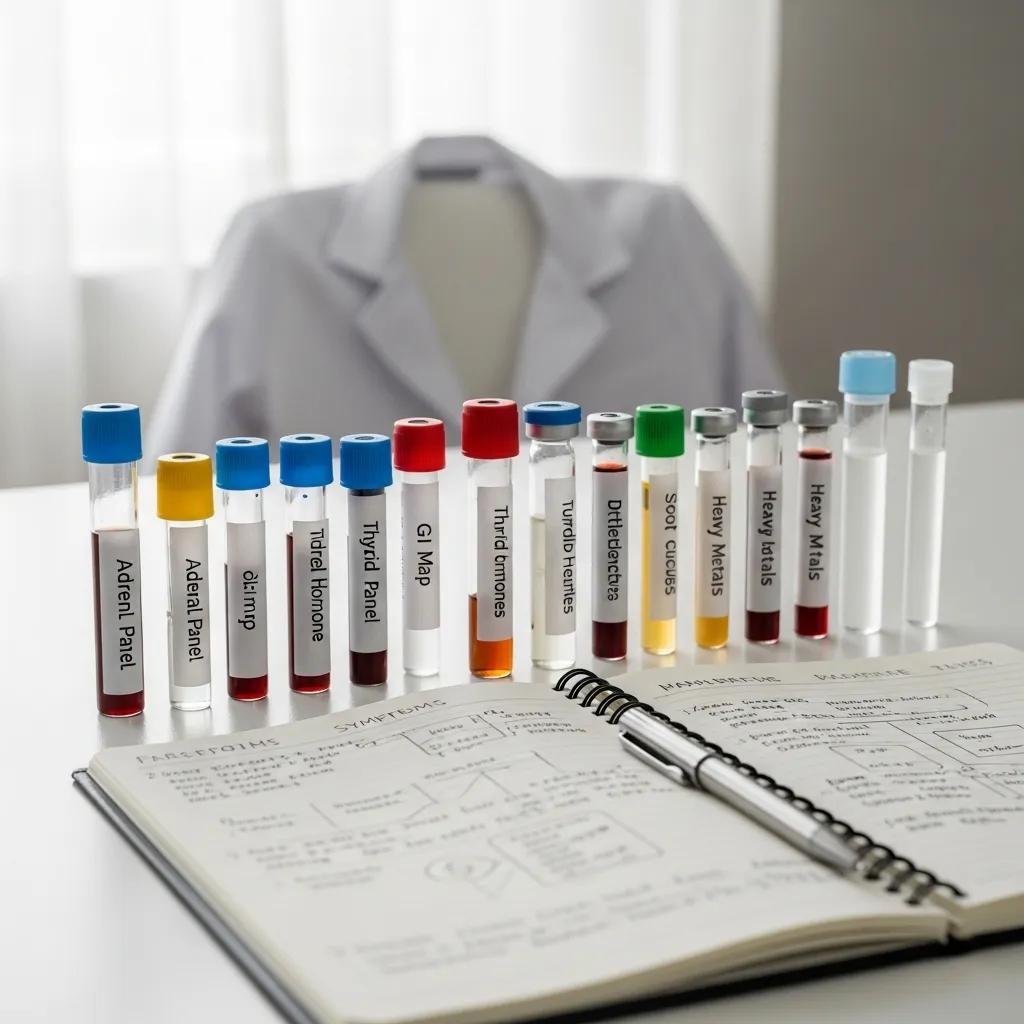
Root cause diagnostics enable mechanism-focused care by identifying upstream contributors to symptoms instead of masking downstream signs. Patients receive more precise interventions, fewer rounds of trial-and-error treatments, and clearer metrics to monitor biological change. By uncovering nutrient shortfalls, microbial imbalances, toxicant loads and hormone metabolite patterns, functional testing allows clinicians to sequence care—detoxify, correct deficiencies, rebalance the microbiome and restore hormonal rhythms—based on prioritized drivers. Many patients see faster symptom relief, better quality of life and fewer long-term healthcare expenses compared with repeated symptomatic approaches.
- Personalized treatment plans: Data-driven prioritization reduces unnecessary therapies.
- Identification of hidden contributors: Tests reveal toxins, dysbiosis and mitochondrial strain.
- Long-term optimization: Repeat biomarker monitoring enables iterative adjustments and preventive care.
With these benefits in mind, the next section outlines the advanced panels commonly used in root cause analysis.
Which Advanced Holistic Testing Panels Does Dr. Bloem Offer?
Below we outline the advanced panels we use in comprehensive root cause diagnostics and what each test reveals for personalized care. These standard functional medicine tools probe gut ecology, hormone metabolism, cellular energy, nutrient status and toxic exposures. After the list, a comparison table summarizes each panel’s measurements and its clinical value for root cause resolution.
Common advanced testing panels include:
- Comprehensive Stool Analysis (GI-MAP): Evaluates microbiome composition, pathogenic organisms, inflammation and digestion markers to guide antimicrobial and microbiome-restoring therapies.
- DUTCH Hormone Panel: Measures cortisol rhythm and sex hormone metabolites via dried urine to reveal adrenal circadian function and downstream hormone metabolism.
- Organic Acids Test (OAT): Profiles organic acid biomarkers that reflect mitochondrial function, neurotransmitter metabolism and microbial activity to direct metabolic support.
- Micronutrient Testing Panel: Assesses intracellular vitamins and minerals to identify deficiencies that impair enzymatic pathways and detoxification.
- Heavy Metal/Toxin Screening: Detects environmental toxicants and metal burdens that can drive chronic inflammation and neurologic symptoms.
These panels form a complementary diagnostic toolkit that maps to therapeutic pathways and helps prioritize interventions in individualized protocols.
| Test Panel | What It Measures | Clinical Value |
|---|---|---|
| Comprehensive Stool Analysis (GI-MAP) | Microbiome composition, pathogens, inflammation markers | Guides antimicrobial, probiotic and dietary strategies to restore gut ecology |
| DUTCH Hormone Panel | Cortisol rhythm, urinary sex hormone metabolites | Informs adrenal support, bioidentical hormone decisions and circadian optimization |
| Organic Acids Test (OAT) | Cellular metabolites reflecting mitochondrial, neurotransmitter and microbial activity | Identifies metabolic bottlenecks for targeted nutrient repletion and mitochondrial support |
| Micronutrient Testing | Intracellular vitamin and mineral status | Reveals deficiencies that impair enzymatic function and immune resilience |
| Heavy Metal/Toxin Screening | Levels of metals and environmental toxicants | Prioritizes detoxification strategies to reduce toxicant-driven inflammation |
This comparison clarifies how each panel contributes distinct diagnostic insight that together enable systematic root cause analysis and focused interventions.
What Does Comprehensive Stool Analysis Reveal About Gut Health?
Comprehensive stool analysis, like GI-MAP, quantifies microbiome taxa, pathogenic organisms, mucosal inflammation markers and digestive enzymes to define gut ecosystem health. By measuring beneficial commensals, pathogen DNA, calprotectin, secretory IgA and elastase, the test differentiates dysbiosis, inflammatory processes and malabsorption patterns that can drive systemic symptoms. Clinicians sequence care from those findings—targeted antimicrobials, specific prebiotics/probiotics, dietary modification and mucosal support—to rebuild barrier function and microbial balance. Interpreting stool results alongside systemic labs (micronutrients, organic acids) improves diagnostic precision and supports sustainable, individualized plans.
Common actionable stool findings include:
- Low beneficial commensals suggesting need for microbiome restoration.
- Elevated pathogen DNA or markers indicating targeted antimicrobial therapy.
- Raised inflammation markers supporting mucosal healing strategies.
Recognizing stool-derived drivers connects directly with hormonal and metabolic testing to form a cohesive diagnostic picture.
How Do Hormone Panels Like the DUTCH Test Support Integrative Health Lab Analysis?
Hormone panels such as the DUTCH test measure cortisol metabolites and sex hormone breakdown products across a 24‑hour profile to show circadian adrenal output and peripheral hormone metabolism. These patterns can reveal adrenal dysfunction, estrogen dominance, androgen excess or impaired methylation affecting hormone clearance. Clinicians integrate DUTCH data with symptoms and other labs (micronutrients, OAT, thyroid markers) to design safe, personalized strategies—bioidentical hormone adjustments, adrenal-support nutrients and lifestyle timing—to restore balance. Because the assay reports downstream metabolites rather than single serum values, it offers insight into production, conversion and excretion pathways that guide precise therapy.
Interpreting DUTCH results helps prioritize interventions like adaptogens, targeted hormone replacement or methylation support to improve energy, mood and reproductive health.
What Chronic Conditions Can Be Addressed Through Personalized Diagnostic Panels?
Functional lab testing is especially useful for chronic, multisystem problems where routine testing often appears normal despite persistent symptoms. Panels are chosen based on presenting symptom clusters to reveal microbial, metabolic, immune, hormonal or toxic drivers that are addressable with targeted care. The table below maps common conditions to recommended panels and the biomarkers clinicians typically find when a root cause is present.
| Condition | Recommended Tests | Typical Biomarkers / Findings |
|---|---|---|
| Chronic Fatigue | OAT, Micronutrients, DUTCH, Heavy Metal Screen | Mitochondrial metabolites, low intracellular nutrients, flattened cortisol rhythm, elevated toxicants |
| Autoimmune Disease | Comprehensive Stool, Inflammatory Markers, Micronutrient Testing | Dysbiosis, elevated calprotectin/CRP, nutrient-driven immune dysregulation |
| Digestive Disorders (IBS/SIBO) | GI-MAP, Breath Tests, OAT | Pathogenic overgrowth, fermentation markers, malabsorption signatures |
| Hormonal Imbalance | DUTCH, Thyroid Panel, Micronutrients | Altered cortisol curve, estrogen/testosterone metabolite imbalances, nutrient cofactor deficiencies |
| Lyme and Co-infections | Specialized infectious panels, Micronutrients, OAT | Serologic or PCR evidence of co-infection, immune activation markers, metabolic strain |
How Does Functional Testing Aid in Diagnosing Chronic Fatigue and Autoimmune Diseases?
For chronic fatigue and autoimmune conditions, functional panels converge to reveal metabolic, immune and infectious contributors that undermine energy and immune tolerance. The OAT can flag mitochondrial compromise and neurotransmitter imbalances, while micronutrient testing commonly shows shortfalls—B vitamins, magnesium, CoQ10—that limit cellular energy. Stool and inflammatory panels may expose gut-driven immune activation that perpetuates autoimmunity, and toxicant screens can reveal environmental burdens that interfere with immune regulation. Bringing these domains together allows clinicians to prioritize interventions—detoxification, nutrient repletion, gut restoration and immune modulation—aimed at measurable improvement.
Integrated interpretation typically highlights one or two dominant drivers that, when treated, yield the fastest clinical gains; this prioritization reduces unnecessary polypharmacy and keeps therapy focused on root causes.
What Role Does Functional Lab Testing Play in Managing Digestive and Hormonal Imbalances?
Functional testing pairs stool diagnostics, breath testing for SIBO, hormone panels and nutrient assessments to build a unified picture of digestive and hormonal health. Dysbiosis on stool testing often matches fermentation patterns on breath tests, while hormone metabolites can influence gut motility and immune responses. Nutrient deficiencies undermine both gut barrier integrity and hormone synthesis, making micronutrient correction central to restoring balance. The combined data guide specific interventions—targeted antimicrobials or prokinetics for SIBO, tailored hormone restoration, dietary adjustments and cofactor repletion—to support lasting equilibrium.
Linking gastrointestinal and endocrine findings clarifies overlapping drivers (for example, dysbiosis with estrogen dominance) and informs stepwise, measurable treatment strategies.
What Should Patients Expect During the Functional Lab Testing Journey at Internal Healing and Wellness MD?
At Internal Healing and Wellness MD, the functional lab testing pathway follows a clear, patient-centered sequence: clinical intake and history, targeted test selection, sample collection, focused interpretation and a personalized treatment plan with ongoing monitoring. Initial visits concentrate on symptom mapping and clinical hypotheses to decide which panels to order, whether at-home kits or in-clinic draws are appropriate, and the expected timeline for results. Results are reviewed in dedicated interpretation visits where findings are synthesized into prioritized root-cause targets and a measurable plan. Follow-up includes biomarker monitoring to confirm response and refine interventions over time.
- Initial Clinical Intake: Thorough history and symptom mapping to form testing hypotheses.
- Test Ordering & Collection: Selection of panels and logistics for at-home or lab-based sampling.
- Interpretation Visit: In-depth review, prioritization of drivers and creation of a personalized plan.
- Follow-Up Monitoring: Repeat testing and metric tracking to refine therapy.
These steps create a transparent patient journey that emphasizes partnership and measurable progress. To schedule, patients are invited to request a consultation with Dr. Fred Bloem; our team coordinates test logistics and reviews preparation and timelines during booking.
| Stage | Action | Patient Takeaway |
|---|---|---|
| Intake | Detailed history and symptom mapping | Clear rationale for test selection and expected outcomes |
| Testing | Order panels and provide collection kits or lab appointments | Instructions for sample collection and timeline expectations |
| Interpretation | Review integrated results and prioritize interventions | Personalized plan with measurable goals and next steps |
| Follow-up | Repeat or targeted retesting to track progress | Objective evidence of improvement and plan adjustment |
How Are Lab Results Interpreted to Develop Personalized Treatment Plans?

Interpretation brings multi-panel data together to identify primary drivers, secondary contributors and the correct sequence of interventions. Clinicians trace relationships—microbiome imbalance driving inflammation, nutrient deficits limiting mitochondrial recovery, or toxicants disrupting hormone metabolism—and then prioritize actions that remove drivers while supporting repair. Plans typically combine dietary adjustments, targeted antimicrobials or probiotics, nutrient repletion and detox measures, with biomarker targets and symptom goals to track progress. Repeat labs and symptom inventories guide iterative changes until biological markers and clinical outcomes align.
This interpretive method—biomarker → indicates → dysfunction—creates a clear roadmap that links lab-derived hypotheses to practical clinical steps and patient-centered goals.
What Success Stories Demonstrate the Impact of Root Cause Analysis?
De-identified vignettes highlight how data-driven diagnosis changes care: a patient with chronic fatigue whose OAT showed mitochondrial metabolites and micronutrient deficits regained stamina after targeted mitochondrial support and nutrient repletion. Another with persistent IBS had pathogenic signatures on stool analysis and improved after tailored antimicrobial therapy followed by microbiome restoration. A third patient with flattened cortisol on DUTCH reported better energy and mood after prioritized adrenal support and individualized hormone optimization guided by metabolic testing. These examples show measurable symptom changes tied to specific lab-driven interventions and illustrate the value of prioritizing root causes.
These patterns emphasize sequential, measurable care and set realistic expectations for patients choosing a functional diagnostic path.
How Does Advanced Functional Lab Testing Integrate with Holistic and Integrative Medicine Practices?
Advanced functional lab testing provides the diagnostic foundation that informs integrative interventions—detoxification, regenerative therapies, bioidentical hormone optimization and lifestyle medicine—so restorative treatments target verified physiologic deficits. Diagnostics come first: labs define biologic readiness for procedures, identify contraindications and tailor regenerative or anti-aging strategies for safety and efficacy. Multidisciplinary teams then coordinate therapies—nutritional rehabilitation, toxin clearance, hormone balancing and regenerative procedures—based on objective biomarkers to maximize benefit and minimize risk. Repeat testing ensures interventions stay aligned with physiologic progress and patient goals.
This diagnostic-to-intervention pipeline shows how lab-derived insights translate into safer, more effective integrative care while keeping a root cause focus.
What Is Dr. Bloem’s Approach to Combining Lab Testing with Regenerative and Anti-Aging Therapies?
Dr. Fred Bloem follows a diagnostic-first philosophy: lab findings determine candidacy, timing and preparatory steps for regenerative or anti-aging interventions. He integrates hormone metabolomics, nutrient sufficiency and toxicant screening to optimize tissue readiness and reduce procedural complications. For example, hormone optimization guided by DUTCH results may precede regenerative joint therapy to enhance healing potential, while micronutrient correction supports cellular repair after interventions. This approach emphasizes safety, targeted efficacy and measurable outcome tracking so regenerative strategies remain biologically rational and patient-specific.
Diagnostic-led planning aligns regenerative and anti-aging therapies with a patient’s physiologic baseline, improving outcomes and guiding appropriate monitoring.
How Does Functional Lab Testing Empower Patients Through Education and Partnership?
Functional lab testing empowers patients by making biological data transparent, actionable and central to shared decision-making. Detailed reports and consults translate complex biomarkers into clear priorities and measurable goals. Education explains relationships—how gut dysbiosis links to inflammation, or how nutrient shortfalls affect energy—so patients can engage in behavior change and follow treatment plans. Tools such as clear biomarker targets, symptom trackers and follow-up testing foster accountability and improve adherence. Patients who understand the “why” behind recommendations tend to participate more actively in their care, speeding recovery and supporting long-term health.
This partnership model strengthens adherence, clarifies expectations and sustains measurable progress through iterative testing and collaborative goal-setting.
- Clear Reports: Lab findings translated into prioritized action steps.
- Shared Goals: Patients and clinicians set measurable targets together.
- Ongoing Monitoring: Repeat testing tracks physiologic change and guides adjustments.
These empowerment strategies ensure that functional lab testing not only diagnoses root causes but also builds a collaborative path to lasting health restoration.
Frequently Asked Questions
What types of conditions can benefit from functional lab testing?
Functional lab testing is especially helpful for chronic, multisystem issues—like chronic fatigue, autoimmune disorders, digestive conditions and hormonal imbalances—where routine tests may be normal despite ongoing symptoms. Targeted panels can expose metabolic, immune or hormonal drivers so care can focus on root causes rather than symptom control alone. This personalized approach often leads to more effective management and better outcomes.
How can patients prepare for functional lab testing?
Preparation varies by test. Your clinician will provide specific instructions—sometimes fasting is required, other times certain supplements or medications should be paused—to avoid interference with results. Clear communication during the initial consult ensures you understand any diet, medication or lifestyle steps needed before sample collection.
How long does it take to receive results from functional lab tests?
Turnaround times depend on the specific panels and the processing lab. Most results arrive within one to three weeks after sample collection; some specialized assays may take longer. Your care team will outline expected timelines when ordering tests so you know when to expect results and follow-up.
What role does patient education play in functional lab testing?
Patient education is central. We interpret biomarkers in plain language, explain why findings matter and show how interventions address underlying drivers. That clarity helps patients engage with their plans, adhere to recommendations and make informed lifestyle choices that support long-term improvement.
Can functional lab testing be integrated with other healthcare practices?
Yes. Functional testing complements conventional medicine, holistic care and integrative therapies by providing objective data that inform treatment across disciplines. This allows interventions—dietary changes, lifestyle adjustments, regenerative therapies—to be tailored to the individual’s biology, enhancing safety and effectiveness.
What should patients expect during the follow-up process after testing?
After testing, expect a structured follow-up: a detailed review of results, an explanation of prioritized findings and a personalized treatment plan with measurable goals. Regular follow-ups and repeat testing track progress, refine interventions and keep patients engaged in their health journey. This iterative process helps optimize outcomes and strengthens the patient-provider partnership.
Conclusion
Advanced functional lab testing uncovers the root causes of chronic conditions and guides personalized, effective treatment plans. By pairing comprehensive diagnostics with targeted interventions, patients can often achieve meaningful improvement in symptoms and quality of life. This diagnostic journey also builds a collaborative relationship between patients and clinicians focused on measurable progress. To start your path toward better health, consider scheduling a consultation with our team at Internal Healing and Wellness MD.

