


Glutathione IV Therapy: Detoxification, Antioxidant Support, and Patient Guidance
Glutathione IV therapy delivers reduced glutathione straight into the bloodstream to provide focused antioxidant coverage and to support whole‑body detox pathways. Below we explain what glutathione does, why IV delivery matters, and how targeted infusions can lower oxidative stress, aid liver phase II conjugation, and support immune and skin health. Many people lose glutathione with age, toxin exposure, chronic illness, or metabolic stress; intravenous administration gives clinicians a reliable way to restore cellular antioxidant reserve. This page walks through the biochemical role of glutathione, summarizes evidence‑based benefits, outlines the clinical procedure and safety considerations, and describes how care is personalized in a holistic practice. Sections cover definition and delivery, clinical benefits and mechanisms, liver detoxification, session expectations (including safety and cost), candidate profiles and personalization, and how to schedule an expert consultation.
What is Glutathione IV Therapy and Why is it Important for Detoxification?
Glutathione IV therapy is the intravenous infusion of reduced glutathione (GSH) to raise plasma and tissue antioxidant levels rapidly. Increasing systemic GSH helps neutralize reactive oxygen species and enhances phase II liver conjugation, which readies toxins for elimination. IV delivery bypasses GI breakdown and first‑pass hepatic metabolism, allowing clinicians to reach therapeutic plasma concentrations appropriate for acute detox or targeted antioxidant needs. Restoring GSH helps rebalance the GSH/GSSG redox cycle, supports regeneration of vitamins C and E, and strengthens cells against oxidative insults that accompany toxic exposures and chronic inflammation. Because glutathione declines with age and can be depleted by environmental chemicals, IV administration offers a fast, predictable way to correct deficits and track improvements clinically and on labs.
How does Glutathione act as the body’s master antioxidant?
Reduced glutathione (GSH) neutralizes free radicals and reactive electrophiles by donating electrons, converting GSH to oxidized glutathione (GSSG) and preventing damage to lipids, proteins, and DNA. The GSH→GSSG cycle is restored by glutathione reductase using NADPH, preserving redox balance so cells can continuously defend against oxidative stress. This cycle also helps recycle other antioxidants like vitamins C and E. In immune cells, sufficient GSH supports lymphocyte proliferation and natural killer cell function, tying antioxidant status to immune resilience and repair. Because GSH serves both as a direct antioxidant and as a substrate for liver conjugation reactions, clinicians often call it the “master antioxidant” — and replenishing it has wide‑ranging effects across tissues.
Why is intravenous delivery more effective than oral glutathione?
IV administration produces much higher and faster plasma glutathione levels than oral GSH or precursor supplements, because it avoids digestive breakdown and first‑pass liver metabolism that limit oral bioavailability. Oral glutathione faces enzymatic degradation and variable absorption, while precursors like N‑acetylcysteine (NAC) depend on individual metabolic conversion and act more slowly. For clinical situations that need rapid antioxidant capacity or precise dosing — such as acute oxidative stress, peri‑procedural protection, or focused detox — IV infusion offers a predictable pharmacokinetic profile and consistent therapeutic window. In practice, IV therapy delivers immediate systemic support, while oral or precursor strategies are better suited for longer‑term maintenance.
The table below compares delivery methods and clinical uses.
| Delivery Method | Bioavailability / Onset | Typical Clinical Use-Cases |
|---|---|---|
| IV glutathione (GSH) | High bioavailability; plasma levels rise within minutes | Acute antioxidant support, targeted detox, peri‑procedural protection |
| Oral glutathione | Low; limited absorption due to enzymatic breakdown | Maintenance for mild depletion; adjunctive long‑term support |
| Precursor supplements (e.g., NAC) | Moderate; depends on conversion efficiency, slower onset | Raise intracellular GSH over days–weeks for chronic support |
What Are the Key Benefits of Glutathione IV Therapy for Immune and Cellular Health?

Glutathione IV therapy supports immune, cellular, and aesthetic health by restoring intracellular antioxidant defenses, modulating inflammatory signaling, and protecting mitochondrial function. Raising GSH helps prevent oxidative damage that disrupts cell signaling and energy production, which in turn supports repair, reduces fatigue, and can sharpen mental clarity. For the immune system, adequate glutathione promotes T‑cell and NK cell activity, improving resilience to infections and recovery after illness. In skin, glutathione can reduce oxidative pigment changes and support collagen integrity, which may improve tone and brightness over time.
Clinically measurable outcomes supported by glutathione IV include:
- Immune modulation: Restores the antioxidant environment for lymphocyte function and can dampen pro‑inflammatory cytokine signaling.
- Oxidative stress reduction: Neutralizes ROS and limits lipid peroxidation, protecting membranes and mitochondria.
- Mitochondrial support: Shields mitochondrial enzymes from oxidative damage, supporting cellular energy.
- Skin & anti‑aging support: Limits oxidative pigment pathways and helps maintain collagen, improving skin tone.
This mechanism→outcome mapping explains how biochemical replenishment of GSH translates into patient‑reported gains such as more energy, fewer infections, and subtle skin improvements.
At Internal Healing and Wellness, Dr. Fred Bloem offers IV therapies within a holistic, integrative model. We use individualized protocols and longer visits so clinicians can align treatment frequency and adjuncts with each patient’s goals — whether that’s immune resilience, detoxification, or skin health.
The table below links clinical targets with mechanisms and expected benefits.
| Clinical Target | Primary Mechanism | Clinical Benefit |
|---|---|---|
| Immune function | Replenishes intracellular GSH; supports lymphocyte and NK activity | Better infection resilience and faster recovery |
| Oxidative stress | Direct neutralization of ROS; reduces lipid peroxidation | Lower oxidative biomarkers and reduced inflammation |
| Cellular energy | Protects mitochondrial enzymes through antioxidant action | Increased energy, less fatigue |
| Skin health | Reduces oxidative melanin pathways; supports collagen maintenance | Improved tone and reduced hyperpigmentation |
How Does Glutathione IV Therapy Support Liver Detoxification and Toxin Elimination?
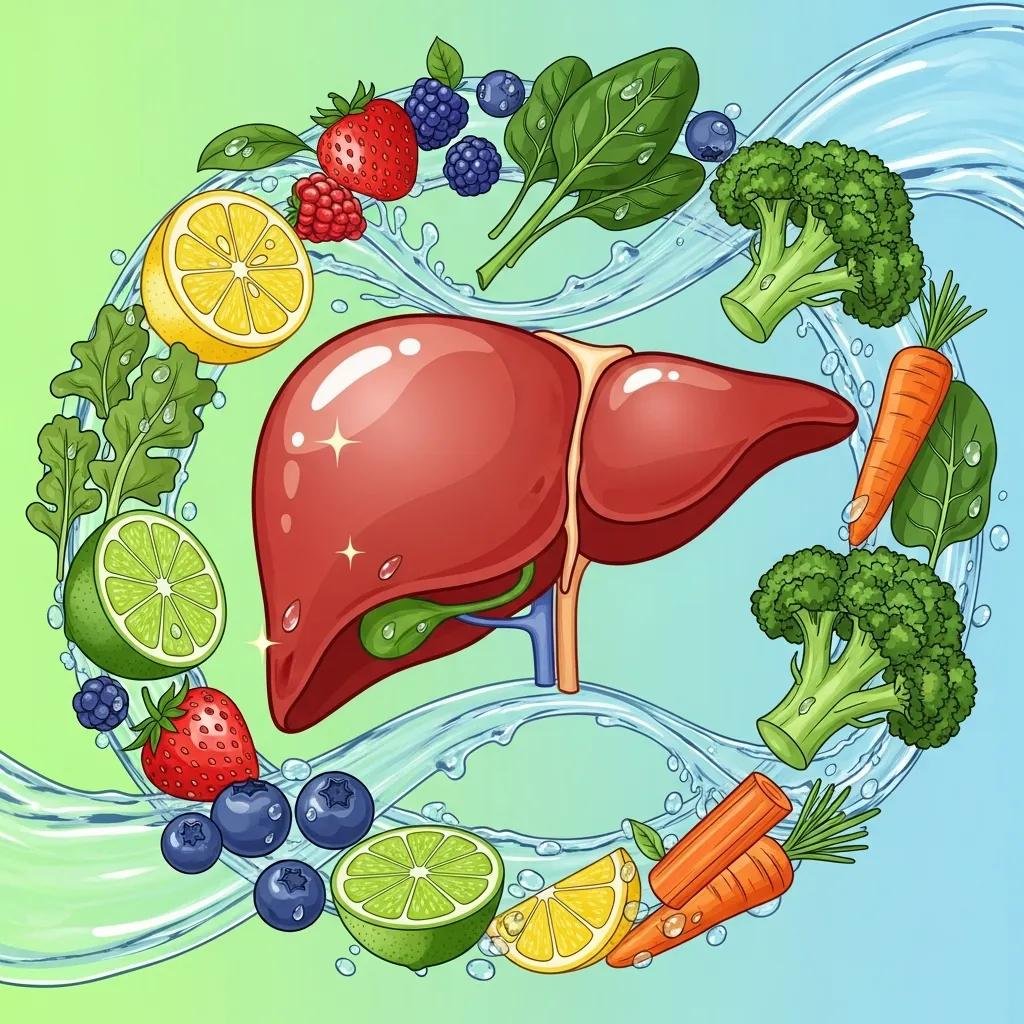
Glutathione plays a central role in liver phase II conjugation reactions, where electrophilic toxins are neutralized and prepared for biliary or urinary excretion. Supplying GSH increases conjugation capacity and helps clear lipophilic metabolites and reactive intermediates. In conjugation reactions, GSH either directly binds xenobiotics or acts as a cofactor for enzymes that convert compounds into more water‑soluble forms for elimination. This is especially important for substances that form reactive intermediates during phase I metabolism; without sufficient GSH, damaging metabolites can accumulate and cause oxidative liver injury. Clinical detox protocols often use glutathione alongside other supportive measures that promote safe elimination and monitoring.
What role does Glutathione play in mobilizing heavy metals and toxins?
Glutathione participates in conjugation and chelation‑like interactions that help mobilize and excrete certain heavy metals and organic toxins by forming complexes more readily removed in bile and urine. Examples where GSH supports elimination include mercury and certain organic toxicants; increasing GSH availability reduces cellular binding of these substances and promotes their clearance. Because rapid mobilization can temporarily increase symptoms, clinicians monitor patients closely and use supportive hydration, liver function tests, and adjunctive chelation strategies when appropriate to manage safe elimination.
How does Glutathione IV therapy enhance cellular detoxification overall?
At the cellular level, adequate GSH preserves redox homeostasis, limits oxidative damage to mitochondrial machinery, and sustains enzyme systems needed for phase II detoxification, helping cells process metabolic waste and environmental toxins more effectively. Healthier mitochondria produce fewer reactive oxygen species, which reduces ongoing detox burden and supports repair processes such as autophagy and protein turnover.
Many patients notice improved energy, clearer thinking, and reduced inflammation‑related complaints as cellular detox improves. These changes reflect better metabolic efficiency and lower systemic oxidative stress — which is why glutathione is a core tool for both short‑term detox protocols and longer‑term metabolic rehabilitation.
What to Expect During a Glutathione IV Therapy Session: Procedure, Safety, and Cost
A typical glutathione IV session starts with intake and a brief health screening, followed by IV placement and a monitored infusion of glutathione, with observation for immediate reactions and aftercare instructions. We usually advise good hydration and a light meal before your visit; clinicians will review your medications and any contraindications during intake. Infusion length depends on formulation and dose but commonly runs 20–60 minutes, with observation time added to confirm tolerance. Costs vary according to formulation, dose, and clinic protocol; our team provides transparent pricing and recommends frequency during the consultation.
| Service Component | Duration / Cost Factor | Safety / Monitoring |
|---|---|---|
| Intake & Screening | 10–20 minutes; included in visit | Medication review and contraindication screening |
| IV Placement & Infusion | 20–60 minutes depending on dose | Vital signs and clinician observation |
| Post-Infusion Observation | 10–20 minutes | Monitor for delayed reactions; provide discharge guidance |
- Pre-Visit Preparation: Hydrate well and have a light meal before arrival.
- During the Visit: Clinical staff complete screening, place an IV, run the infusion, and monitor for reactions.
- Aftercare: Stay hydrated, follow symptom guidance, and contact your clinician with any concerns.
Knowing the visit flow ahead of time makes the experience smoother and supports safety and comfort.
At Dr. Fred Bloem’s clinic, IV Therapies are offered under our Holistic & Integrative services, with individualized protocols and longer visits so dosing and adjuncts match each patient’s needs. To determine the best plan, book a consultation so clinicians can review labs, symptoms, and goals before recommending an infusion schedule.
What is the typical Glutathione IV therapy procedure and duration?
A standard visit includes check‑in and a short medical review, IV catheter placement, infusion of the chosen glutathione formulation, and a brief recovery observation before discharge. Infusion times usually range from 20 to 60 minutes depending on concentration and whether additives are used; total appointment time including intake often falls between 40 and 90 minutes. Clinicians commonly recommend an initial series followed by maintenance visits adjusted to clinical response and lab markers. Preparation and monitoring help reduce risk and improve comfort, and the predictable time commitment makes scheduling straightforward.
Are there side effects or safety considerations with Glutathione IV therapy?
Most side effects are mild and short‑lived — for example, brief nausea, localized cramping at the infusion site, or headache. Clinicians monitor patients during and after the infusion to address these promptly. Rarely, allergic reactions occur, so pre‑infusion screening for sensitivities and careful observation during treatment are standard. We also review contraindications and drug interactions at intake; some medications or medical conditions may require modified protocols or alternative approaches. Honest communication about current medications, pregnancy status, and past reactions helps clinicians provide safe, individualized care.
Who Can Benefit from Glutathione IV Therapy and How Is Treatment Personalized?
Glutathione IV therapy may help a wide range of people: those with chronic fatigue, suspected toxin exposure, skin or aging concerns, post‑viral recovery needs, and anyone seeking immune or mitochondrial support. Clinical responses vary — some patients feel better after a few sessions, while others benefit from a structured program with adjunctive therapies and lab monitoring to sustain improvements. Personalization is guided by baseline labs, symptom patterns, comorbidities, and individual goals; clinicians combine objective markers with medical history to set dose, frequency, and supportive measures.
Common candidate profiles include:
- People with chronic fatigue or low energy who want mitochondrial support.
- Patients with known toxin exposure or elevated toxicant markers.
- Individuals pursuing brighter, more even skin tone as part of an aesthetic plan.
- Post‑viral or prolonged recovery patients who need antioxidant restoration.
Personalization strategies include baseline laboratory assessment, tailoring infusion dose and frequency, and pairing glutathione with nutrients or therapies that enhance elimination and clinical response. This individualized approach aligns treatment with each patient’s physiology and goals rather than a one‑size‑fits‑all protocol.
Which chronic conditions and health goals align with Glutathione IV therapy?
Glutathione IV is commonly used for chronic fatigue, oxidative stress–related conditions, suspected toxin or heavy metal burden, aesthetic concerns about pigmentation and skin tone, and recovery after viral illness or inflammatory flares. The biochemical rationale for antioxidant and detox support is strong; clinical outcomes tend to be most consistent for symptom improvement rather than cure of complex chronic diseases. Clinicians therefore use glutathione as an adjunct within a broader functional medicine plan and set expectations based on labs and treatment response.
How does Dr. Fred Bloem’s holistic approach tailor Glutathione IV protocols?
Dr. Bloem’s practice emphasizes patient‑centered, lab‑guided care with longer visits and individualized adjustments in dose and adjunct IV components. Personalization factors include baseline glutathione markers, liver function tests, toxin panels when indicated, symptom severity, and coexisting conditions. Those data inform decisions about infusion frequency, additives that support phase II detox, and monitoring cadence. Examples of adjustments include spacing infusions to limit mobilization symptoms, combining nutrients that aid conjugation, and scheduling follow‑ups to evaluate outcomes. This methodical, data‑informed process helps maximize safety and therapeutic benefit within an integrative plan.
Where to Access Expert Glutathione IV Therapy and How to Book a Consultation
To access expert glutathione IV therapy, choose a provider with functional medicine experience, clear safety practices, and individualized care pathways. Dr. Fred Bloem / Internal Healing and Wellness MD offers holistic IV detoxification with longer visits and lab‑informed protocols. When evaluating clinics, look for pre‑infusion screening, transparent procedural logistics, and clinicians who use lab data to guide protocol decisions. Local patients in Kensington, MD can verify practice listings and request a consultation to review personalized recommendations and expected visit flow.
- Check provider qualifications and services to confirm they offer IV therapies within a holistic or integrative care model.
- Request an initial consultation so clinicians can review labs, medical history, and your goals and recommend a safe plan.
- Prepare for the visit by bringing a current medication list and any recent lab results to support tailored protocol design.
What makes Dr. Fred Bloem’s clinic a trusted provider of holistic IV detoxification?
Dr. Bloem’s clinic combines a functional medicine orientation with individualized protocols, longer appointments for thorough assessment, and careful integration of lab data with clinical judgment. These elements allow clinicians to tailor glutathione dosing, frequency, and supportive combinations to each patient’s needs, which lowers risk during detox and improves effectiveness. The practice emphasizes patient education and close follow‑up so outcomes are tracked and protocols adjusted as needed, reinforcing both safety and alignment with patient goals.
How to schedule a personalized Glutathione IV therapy session in Kensington, MD?
To schedule a personalized session, request an initial consultation to review your medical history, current labs, and treatment goals. Bring an up‑to‑date medication list and any relevant lab reports, and follow pre‑visit guidance such as staying well‑hydrated and eating a light meal the day of your appointment. During the consult, your clinician will explain visit duration, safety screening steps, and post‑infusion recommendations to support elimination and monitor symptoms. After the consultation, the care team will finalize a safe, individualized treatment plan and schedule your first infusion.
This article has outlined the biochemical rationale, clinical benefits, procedural expectations, safety considerations, personalization options, and practical steps to access glutathione IV therapy so you can make an informed decision about antioxidant and detox support.
Frequently Asked Questions
What are the potential side effects of Glutathione IV therapy?
Glutathione IV therapy is usually well tolerated. Some patients report mild, short‑lived effects such as nausea, headache, or minor discomfort at the infusion site. These symptoms typically resolve quickly. Rarely, allergic reactions occur, which is why we perform pre‑infusion screening and monitor closely during and after treatment. Tell your clinician about any prior reactions or current medications so we can tailor care safely.
How often should one undergo Glutathione IV therapy for optimal results?
Frequency varies by goal and health status. Some people begin with a short series of treatments — for example weekly — and then move to maintenance sessions every few weeks or months, depending on response and lab results. Others need less frequent dosing for occasional support. A personalized plan from your clinician, informed by labs and symptoms, is the best way to determine optimal timing.
Can Glutathione IV therapy be combined with other treatments?
Yes. Clinicians commonly combine glutathione with supportive nutrients (for example vitamin C or amino acids) or other therapies to enhance detox and antioxidant effects. Combining treatments can improve outcomes for complex cases, but it’s important to discuss all concurrent therapies with your provider so dosing and timing are safe and effective.
Is Glutathione IV therapy suitable for everyone?
Many people can benefit, but it’s not appropriate for everyone. Certain medical conditions, allergies, or medications may require alternative approaches. Pregnant or breastfeeding individuals should consult their primary clinician before starting therapy. A thorough screening and medical review determine candidacy and ensure a safe, individualized plan.
What lifestyle changes can enhance the benefits of Glutathione IV therapy?
Healthy lifestyle habits support and extend the benefits of IV therapy: a balanced, antioxidant‑rich diet, regular movement, adequate hydration and sleep, and reducing exposure to environmental toxins. Stress management practices like mindfulness or restorative activities also help. Talk with your clinician about tailored lifestyle recommendations that complement your treatment plan.
How long does it take to see results from Glutathione IV therapy?
Timelines vary. Some patients notice increased energy, clearer thinking, or subtle skin changes after a few sessions; others require a longer course to see meaningful improvements. Results depend on baseline health, specific goals, and adherence to the recommended plan. Regular follow‑ups allow clinicians to track progress and adjust therapy as needed.
Conclusion
Glutathione IV therapy can be a powerful tool for detoxification, immune support, and cellular health by restoring antioxidant reserves and improving metabolic function. It’s especially useful for people dealing with oxidative stress, chronic fatigue, or skin concerns, and is most effective when integrated into a personalized, lab‑guided care plan. Consult with a qualified provider to explore whether glutathione IV fits your goals and to create a safe, individualized protocol. Schedule a consultation to take the next step toward revitalizing your health.

