


Bioidentical Hormone Therapy in Kensington, MD — Personalized, Holistic Hormone Balance
Bioidentical hormone therapy (BHRT) uses hormones that are molecularly identical to those your body makes to restore balance, ease symptoms, and support vitality in both men and women. This page explains how BHRT works at the receptor level, the conditions we commonly treat in Kensington, and why a personalized, integrative approach improves outcomes for energy, mood, sleep, libido, and body composition. You’ll find clear comparisons between bioidentical and conventional hormone replacement, evidence-based benefits, realistic timelines for symptom change, and how testing and monitoring guide safe, individualized dosing. We also map the typical patient journey—from the first consult to ongoing follow-up—and provide practical criteria for choosing a hormone doctor in Kensington, MD. Keywords such as BHRT Kensington, hormone imbalance Kensington, and hormone doctor Kensington are integrated naturally to help local patients find useful, actionable information.
What is Bioidentical Hormone Therapy and How Does It Work?
Bioidentical hormone therapy (BHRT) describes replacement hormones whose molecular structures match human hormones, allowing them to bind native receptors and restore normal physiological signaling. The central mechanism is receptor affinity: bioidentical estradiol, progesterone, and testosterone interact with target receptors to help normalize gene expression, metabolic pathways, and neuroendocrine feedback—changes that often translate into measurable symptom relief. Understanding this receptor-based action highlights why careful dose titration and ongoing monitoring are essential; below we cover practical testing and delivery options clinicians use to get dosing right.
Defining Bioidentical Hormones and Their Benefits
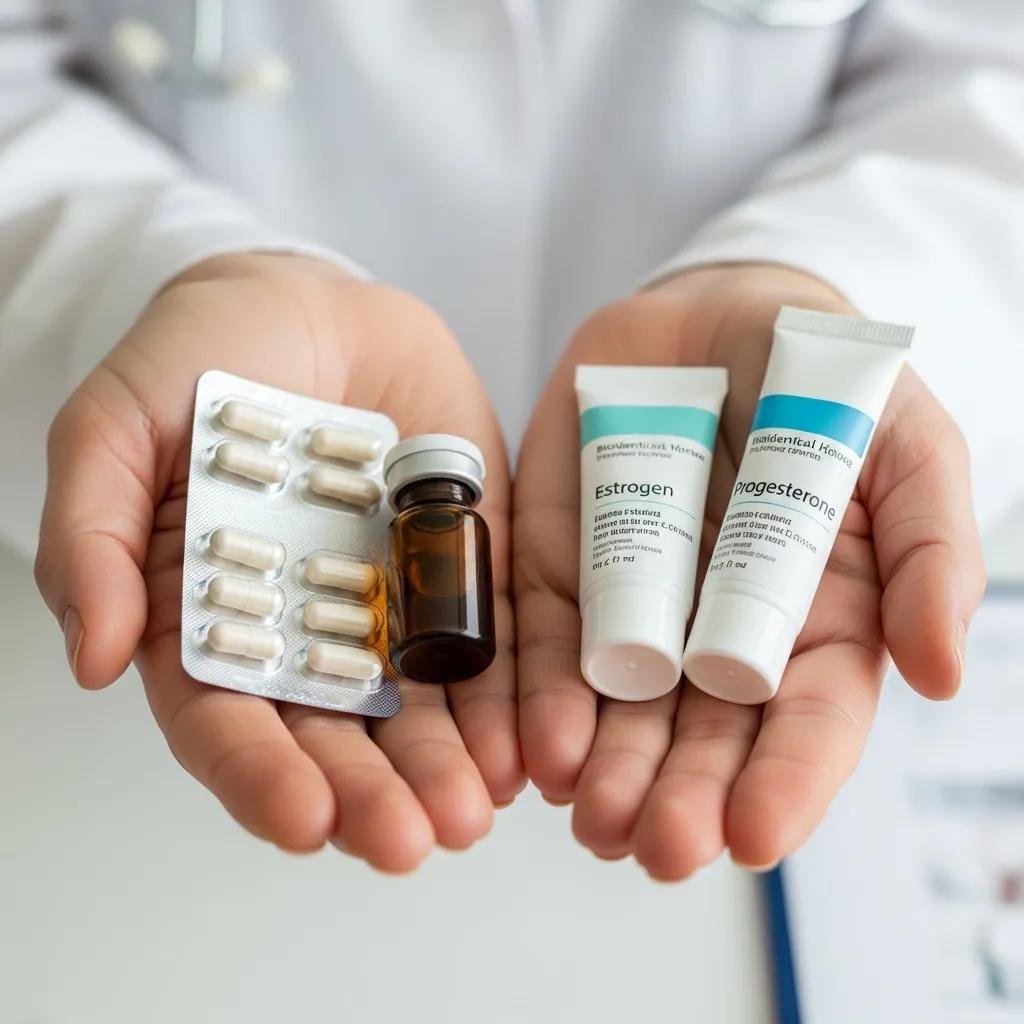
Bioidentical hormones are compounds made to match human hormones such as estradiol, progesterone, and testosterone. They can be delivered in several forms—topical creams, transdermal gels, injections, and subcutaneous pellets—so clinicians can choose the route that best balances steady hormone levels with patient lifestyle and convenience. Because molecular identity determines receptor interaction, bioidentical preparations often relieve symptoms like low energy, sleep disruption, reduced libido, and cognitive fog while allowing precise dose adjustments guided by labs and symptoms. This individualized approach offers safer personalization compared with one-size-fits-all dosing; the next section contrasts BHRT with conventional HRT to clarify clinical differences.
How BHRT Differs from Traditional Hormone Replacement Therapy
BHRT differs from conventional synthetic HRT primarily in molecular structure, personalization, and monitoring frequency—factors that affect both benefit and side-effect profiles. Traditional HRT may use progestins or synthetic estrogens with different receptor affinities and metabolic effects, whereas BHRT aims to replicate physiological signaling and enable tailored dose changes based on symptoms and labs. A personalized program typically includes comprehensive hormone testing and symptom inventories to guide the choice of route (for example, topical versus pellet) and a structured monitoring plan to reduce the risk of over- or under-treatment. Knowing these distinctions helps patients weigh options and prepares them for the testing and follow-up described later.
Different hormones influence specific receptor pathways and deliver distinct clinical benefits; the short summary below makes those links clear at a glance.
Major bioidentical hormones act through defined receptor systems to produce characteristic clinical effects.
| Hormone | Mechanism | Typical Clinical Benefit |
|---|---|---|
| Estradiol (E2) | Binds estrogen receptors in the brain, bone, and vaginal tissue | Reduces hot flashes, improves vaginal health, supports bone density |
| Progesterone | Modulates GABAergic pathways and endometrial receptors | Helps sleep, balances mood, protects the endometrium when given with estrogen |
| Testosterone | Activates androgen receptors in muscle and brain | Boosts libido, energy, and muscle mass in men and women |
This table clarifies how key hormones contribute to symptom relief and physiological restoration, information that guides targeted testing and therapy selection.
Which Conditions Can Bioidentical Hormone Therapy Treat in Kensington, MD?
BHRT addresses a range of hormone-related conditions by restoring deficient signals and optimizing endocrine balance. We commonly use BHRT for menopause and perimenopause symptoms, andropause/low testosterone in men, and as part of a broader functional plan for thyroid or adrenal support. It’s also used for chronic complaints such as fatigue, low libido, sleep problems, and unfavorable changes in body composition. Recognizing these indications helps patients decide whether BHRT might be relevant and when to seek a hormone-focused clinician in Kensington.
Managing Menopause Symptoms with BHRT
For people in menopause or perimenopause, BHRT targets vasomotor symptoms, vaginal atrophy, sleep disruption, mood swings, and cognitive fog by replacing deficient estrogen and, when appropriate, supporting progesterone balance. Properly selected estrogen (route and dose) typically reduces hot flashes and night sweats within weeks and improves vaginal moisture over months, while progesterone often helps with sleep continuity and mood. Because timelines vary, clinicians tailor initial dosing and schedule follow-ups using labs and symptom scales to guide safe titration and maximize meaningful relief.
Addressing Andropause and Low Testosterone Levels
For men with andropause or clinically low testosterone, bioidentical testosterone therapy can improve energy, sexual function, mood, and lean mass when carefully dosed and monitored. Options such as topical gels, injections, or pellets are chosen to match patient preference, lifestyle, and goals, and baseline labs—total testosterone, hematocrit, and PSA—are used for safety screening and ongoing monitoring. Benefits like increased libido and energy commonly appear within 4–12 weeks, but regular dose adjustments and lab surveillance are essential to sustain gains and guard against adverse effects.
This list highlights common situations where BHRT may be considered and the therapeutic focus for each.
- Menopause and perimenopause: symptom relief and quality-of-life restoration.
- Andropause/low testosterone: improvements in sexual health, energy, and body composition.
- Thyroid and adrenal dysfunction: supportive hormone balancing within an integrative plan.
- Chronic fatigue and low libido: targeted hormone correction combined with lifestyle optimization.
The list above helps patients quickly match their symptoms to possible BHRT applications; the next section describes the broader benefits of a holistic approach.
What Are the Benefits of Choosing Holistic Bioidentical Hormone Therapy?
A holistic BHRT program pairs precise hormone replacement with lifestyle, nutrition, and supportive therapies to expand clinical gains across physical, cognitive, and emotional areas. Patients commonly report more energy, steadier mood, restored libido, better sleep, clearer thinking, and improved body composition. Applying functional medicine principles—such as evaluating thyroid and adrenal health and correcting nutritional gaps—lets clinicians address root contributors that interact with sex hormones and improves long-term outcomes rather than merely masking symptoms. Below is a quick-reference table showing typical symptom timelines so patients can set realistic expectations.
Common symptoms tend to improve on predictable timelines when BHRT is combined with a comprehensive treatment plan.
| Symptom/Issue | Expected Improvement | Typical Timeframe |
|---|---|---|
| Hot flashes/night sweats | Significant reduction | 2–6 weeks |
| Low energy/fatigue | Noticeable improvement | 4–12 weeks |
| Low libido | Gradual restoration | 4–12 weeks |
| Sleep disruption | Better sleep continuity | 3–8 weeks |
| Cognitive fog | Improved clarity | 6–12 weeks |
This table helps patients anticipate when they may notice changes and underscores why ongoing monitoring and lifestyle work support lasting benefit.
Physical and Mental Health Improvements from BHRT
Physically, BHRT can help increase muscle mass, reduce central fat, and improve skin quality by restoring anabolic and estrogenic signaling. Mentally, it supports mood regulation and cognitive clarity through effects on neurosteroids and neurotransmitter systems. For example, testosterone and estradiol influence pathways tied to motivation and executive function, producing measurable gains when levels are optimized. Combining hormone optimization with sensible nutrition, regular exercise, and sleep hygiene usually accelerates and stabilizes improvements. Objective symptom tracking plus lab metrics helps clinicians fine-tune therapy so changes are durable rather than temporary.
Dr. Fred Bloem’s Personalized and Integrative Approach
Internal Healing and Wellness MD emphasizes a root-cause, patient-centered approach: individualized treatment protocols, longer visits for thorough assessment, and education that makes patients active partners in care. This integrative model lets clinicians combine BHRT with complementary services such as regenerative joint therapies and IV treatments when clinically appropriate. The practice’s focus on customized protocols and extended visit times supports deeper evaluation, careful titration of bioidentical hormones, and patient education that improves adherence and outcomes. For those seeking consultative, collaborative care, Internal Healing and Wellness MD offers a personalized BHRT evaluation beginning with a comprehensive assessment and shared decision-making with Dr. Fred Bloem.
How Does the Bioidentical Hormone Therapy Process Work at Internal Healing and Wellness MD?

Our BHRT process follows a clear, stepwise pathway: a thorough initial consultation, comprehensive hormone testing, a customized treatment plan, and ongoing monitoring with dose adjustments as needed. This structure ensures care is driven by objective data and patient-reported outcomes rather than guesswork. The flow supports safety, clarifies expectations, and allows integration of supportive regenerative or IV therapies when they complement hormonal correction. The table below maps typical patient journey steps to actions and timeframes so prospective patients know what to expect in the first months of care.
| Step | What Happens | Typical Timeframe |
|---|---|---|
| Initial consult | Detailed history, symptom inventory, and baseline planning | 60–90 minutes (longer visit model) |
| Comprehensive testing | Blood/saliva/urine panels as indicated to evaluate sex hormones, thyroid, and adrenal markers | Tests ordered within first visit; results in 3–10 days |
| Individualized plan | Selection of hormone type, route, dose, and adjunctive therapies | Plan delivered within 1–2 weeks of results |
| Monitoring & titration | Symptom tracking and repeat labs to adjust dosing | Follow-up 4–12 weeks initially, then every 3–6 months |
This timeline reflects the clinic’s emphasis on longer initial visits and systematic follow-up, both of which support individualized dosing and safety monitoring for lasting benefit.
Initial Consultation and Comprehensive Hormone Testing
The first visit focuses on a full medical and symptom history, a targeted intake to identify your most troublesome complaints, and a tailored testing strategy that may include blood, saliva, or urine assays as clinically indicated. We evaluate sex hormones alongside thyroid and adrenal function because these systems interact and influence response to therapy. Expect an extended visit to review lifestyle, medications, and relevant comorbidities—information that shapes testing choices and the initial treatment plan. Clear pre-visit instructions about symptom tracking and temporary medication adjustments (when needed) help improve test accuracy and support a precise roadmap.
Customized Treatment Plans and Ongoing Monitoring
After reviewing results, clinicians design individualized BHRT regimens—choosing delivery route and adjunctive therapies to match your goals and safety needs—and set a monitoring schedule that includes symptom scales and periodic labs. Typical follow-up happens within 4–12 weeks after starting therapy to assess clinical response and lab trends, then every 3–6 months once stable. Dose changes are triggered by persistent symptoms, lab findings, or side effects and always prioritize safety markers such as hematocrit and organ-specific tests. This collaborative, data-driven process helps ensure steady progress and lowers the risk of complications while keeping patients involved in treatment decisions.
What Should Patients Expect During Their BHRT Journey in Kensington?
Expect a period of assessment and careful adjustment rather than an immediate, permanent fix—improvements generally unfold over weeks to months as doses are optimized and underlying contributors are addressed. Early relief, such as fewer hot flashes or small energy gains, can appear within a few weeks; fuller improvements in sleep, libido, and body composition usually take several months. Transient side effects may include mild fluid shifts or short-term sleep changes during dose adjustments; your clinician will advise when to report concerns. The section below provides a realistic week/month timeline so you know when to expect specific symptom changes.
Typical Treatment Timeline and Symptom Improvement
Timelines reflect underlying mechanisms: vasomotor symptoms often respond within 2–6 weeks, energy and libido commonly improve within 4–12 weeks, and cognitive or body-composition changes may be noticeable after 6–12 weeks of consistent therapy combined with lifestyle support. Individual factors—age, baseline hormone levels, comorbidities, and adherence—affect speed and magnitude of change, so clinicians use symptom scales and repeat labs to pace treatment. Understanding these milestones helps patients stay engaged and avoid premature discontinuation when modest early gains precede larger improvements. If progress plateaus, reassessing testing completeness, lifestyle factors, and adjunctive therapies guides next steps.
Patient Testimonials and Success Stories
Patients often report regained energy, more consistent sleep, and renewed sexual desire after individualized BHRT programs that combined hormone replacement with lifestyle coaching and follow-up care. Common themes include better daily functioning, fewer mood swings, and improved exercise tolerance once testosterone or estrogen levels were optimized alongside nutrition and sleep interventions. While individual stories differ, the consistent pattern is that systematic testing, gradual titration, and patient education lead to durable improvements in quality of life. Discussing realistic outcome expectations during the initial consult helps align goals and measurement methods with your clinician.
How to Choose the Right Hormone Doctor for Bioidentical Hormone Therapy in Kensington, MD?
Choosing a hormone doctor means looking for commitment to thorough testing, individualized care, and safety-focused monitoring rather than accepting one-size-fits-all prescriptions. Seek clinicians who prioritize comprehensive assessment, clear monitoring plans, and integration with lifestyle and supportive therapies when appropriate. Red flags include promises of quick fixes without baseline labs or lack of structured follow-up. The checklist below offers practical questions to use during consultations so you can compare philosophies and confirm alignment with your safety and outcome priorities.
- Which tests will you run and why?: Confirm that the provider evaluates sex hormones and interacting systems (thyroid, adrenal, metabolic markers) to form a complete picture.
- How is dosing personalized and monitored?: Ask about scheduled follow-up labs and symptom reviews that guide dose adjustments over time.
- What delivery options are available and why choose one over another?: Discuss pros and cons of topical, injection, or pellet delivery in the context of your lifestyle and goals.
- How will safety be tracked?: Request specifics about which labs are used (hematocrit, PSA, liver markers, etc.) and the monitoring cadence to detect adverse effects early.
This checklist helps patients identify providers who follow evidence-based protocols and transparent monitoring. The next section summarizes how Internal Healing and Wellness MD’s practice features align with these selection criteria.
Key Qualifications and Expertise of Dr. Fred Bloem
Internal Healing and Wellness MD, led by Dr. Fred Bloem, practices a holistic, root-cause approach to hormone balance with individualized protocols, longer initial visits for thorough assessment, and patient education that supports shared decision-making. The practice integrates BHRT with complementary services—such as regenerative joint therapies and IV treatments—when clinically appropriate, and provides supportive care for complex chronic illness within a functional medicine framework. These features—extended visit times, tailored plans, and integrative options—signal a patient-centered, comprehensive approach rather than a standardized template. Patients evaluating local hormone doctors can use these attributes as positive indicators of quality, collaborative care.
Questions to Ask Your Hormone Specialist
Before a BHRT consultation, prepare a concise list of questions to confirm testing strategy, monitoring plans, expected timelines, and how success is measured. Ask which tests will be ordered and why, the rationale for chosen delivery methods, the follow-up and lab schedule, and how adjunctive therapies will be incorporated. Also inquire about potential side effects, criteria for dose adjustments, and plans for long-term care. Use the answers to compare clinicians and choose a provider whose approach matches your preference for data-driven, collaborative care.
This article has outlined mechanisms, indications, benefits, process steps, timelines, and provider-selection guidance to help you make an informed decision about BHRT in Kensington, MD. If you’re interested, the next step is to schedule a comprehensive consultation with a clinician who emphasizes testing, individualized planning, and ongoing monitoring.
Frequently Asked Questions
1. What are the potential side effects of bioidentical hormone therapy?
BHRT is generally well tolerated, but some patients experience side effects—especially during initial dose adjustments. Common issues include mild fluid retention, mood swings, or temporary sleep disturbances. Most of these settle as your body adapts, and your clinician can adjust dosage or delivery method to reduce discomfort. Always report concerning symptoms so your care team can respond promptly.
2. How long does it take to see results from BHRT?
Timelines vary by symptom and individual factors. Many people notice reductions in hot flashes and night sweats within 2–6 weeks. Improvements in energy, libido, and cognitive clarity commonly appear in 4–12 weeks, while body-composition and some cognitive changes may take 6–12 weeks or longer. Age, baseline levels, adherence, and coexisting health issues influence the pace of change, so regular monitoring helps optimize results.
3. Can BHRT be used for both men and women?
Yes. BHRT is appropriate for men and women and is tailored to each person’s hormonal needs. In women, it is commonly used for menopause and perimenopause symptoms; in men, it addresses andropause or low testosterone. Individualized testing and dosing ensure care is safe and targeted regardless of gender.
4. What lifestyle changes should accompany BHRT for best results?
To maximize BHRT benefits, adopt healthy habits: a balanced whole-food diet, regular physical activity, consistent sleep, and stress-management practices. Addressing nutritional gaps or thyroid and adrenal issues with your clinician can further improve outcomes. Lifestyle changes amplify hormone therapy effects and support sustainable health gains.
5. How is the effectiveness of BHRT monitored over time?
Effectiveness is tracked with both patient-reported outcomes and laboratory testing. After the initial treatment phase, clinicians typically follow up every 3–6 months to review symptoms and labs and make dose adjustments as needed. Blood tests (and sometimes saliva or urine) are used to confirm hormone levels and safety markers. Ongoing monitoring allows personalized tweaks that improve safety and efficacy.
6. Are there specific tests required before starting BHRT?
Yes. A comprehensive evaluation usually includes blood, saliva, or urine tests to assess sex hormones and often thyroid and adrenal function. These tests identify hormonal imbalances and guide a personalized plan. A full medical history and symptom inventory are also essential to ensure therapy addresses your specific needs safely.
7. What should I look for in a BHRT provider?
Look for a clinician who emphasizes individualized care, thorough testing, and transparent monitoring. Key considerations include their testing strategy, how they adjust dosing, and whether they integrate lifestyle and supportive therapies. Providers who schedule regular follow-up and explain safety monitoring clearly are generally better choices for long-term, collaborative care.
Conclusion
Bioidentical hormone therapy offers a personalized path to restoring hormonal balance and improving energy, mood, and overall well-being. When delivered as part of a thoughtful, integrative plan, BHRT can produce meaningful, lasting changes in quality of life. If you’re considering BHRT, schedule a comprehensive consultation with a qualified hormone specialist to explore whether this approach fits your goals and health needs. Discover how a whole-person, evidence-informed strategy can support your health journey.

