

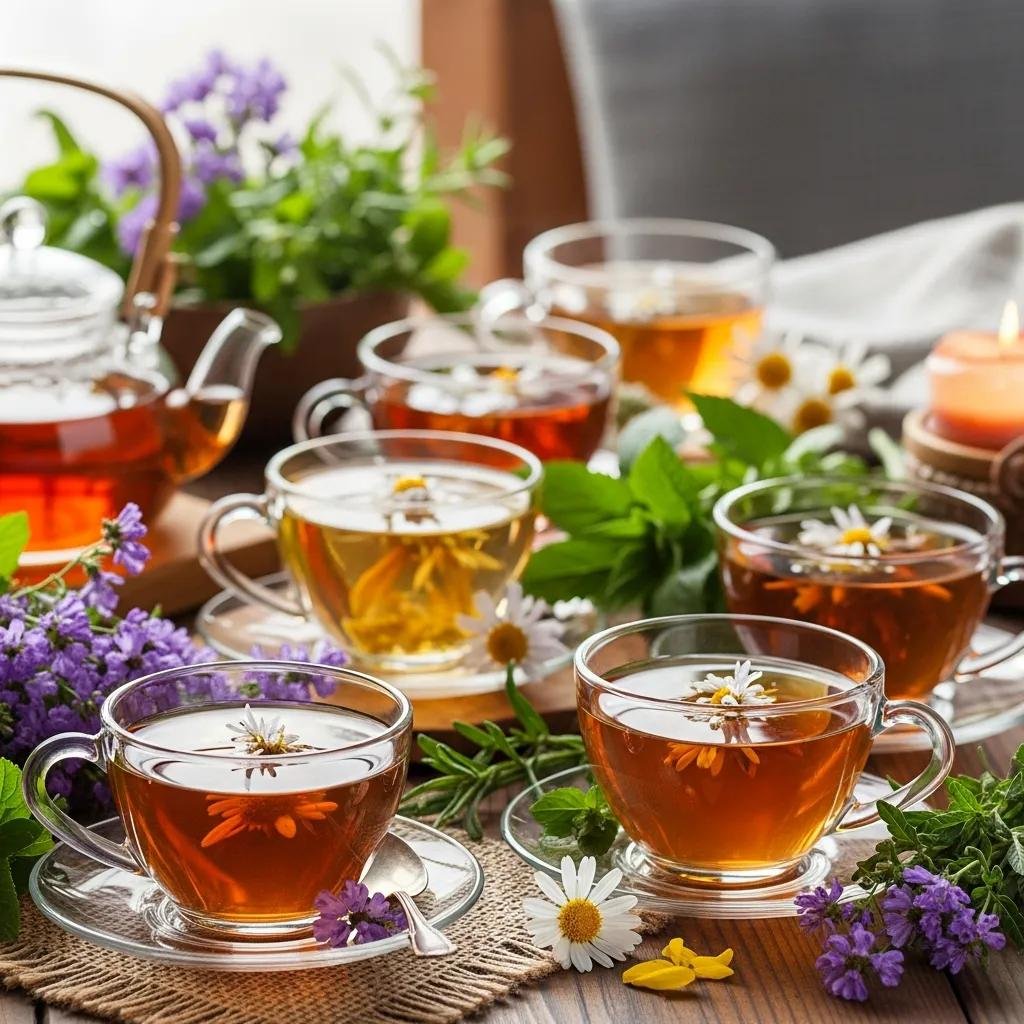
Beneficial Herbal Teas for Health & Wellness: A Practical Guide to Natural Healing and Wellbeing
Herbal teas are warm infusions made from leaves, flowers, roots, or bark that deliver active plant compounds to support health in gentle, beverage-friendly ways. This practical guide explains how herbal drinks work as natural remedies — from antioxidant and anti-inflammatory effects to adaptogenic stress support, digestive relief, and mild detoxification. Many readers want reliable, useful guidance for sleep, digestion, immune support, pain relief, and skin aging without the hype. Here you’ll find evidence-informed explanations, clear brewing and dosing advice, safety notes, and clinician-focused tips for integrating teas into individualized care. Read on to learn which teas best match common goals, how to prepare and dose them, and when to consult a healthcare provider. The sections below map benefit categories, practical brewing guidance, quick clinical tables, safety considerations, and brief notes on how Dr. Fred Bloem / Internal Healing and Wellness MD incorporates teas into personalized treatment plans. Keywords like herbal teas, tea benefits, detox herbal teas, and herbal tea benefits for sleep are included to keep guidance searchable and actionable.
What Are the Key Health Benefits of Herbal Teas?
Herbal teas deliver concentrated plant actions — antioxidant, anti-inflammatory, adaptogenic, choleretic, diuretic, and antispasmodic — that translate into measurable benefits: detox support, less inflammation and pain, improved sleep and stress resilience, immune support, digestive relief, and skin/anti-aging effects. These outcomes arise because active compounds (for example, apigenin, gingerol, anthocyanins) influence pathways such as oxidative stress, inflammatory mediators, smooth-muscle tone, bile production, and neurochemical receptors. Understanding these mechanisms helps clinicians and patients select appropriate teas as adjuncts to broader lifestyle and medical care. Below is a compact comparison to scan common teas, their main benefit, and the active mechanism to support quick clinical decisions.
Different herbal teas have distinct primary actions that guide their use in wellness plans.
| Tea | Primary Benefit | Mechanism / Active Compound |
|---|---|---|
| Chamomile | Sleep & relaxation | Apigenin → GABAergic modulation |
| Ginger | Digestion & anti-nausea | Gingerol → TRP channels, anti-inflammatory |
| Peppermint | Antispasmodic for gut | Menthol → smooth muscle relaxation |
| Hibiscus | Antioxidant & vascular | Anthocyanins → antioxidant, BP modulation |
| Dandelion | Liver support & mild diuresis | Taraxasterol, phenolics → choleretic/diuretic |
| Echinacea | Immune modulation | Alkylamides, polysaccharides → immune signaling |
This table follows a simple entity → relationship → entity pattern clinicians use when pairing a tea with a patient goal — for example, chamomile contains apigenin, which supports GABAergic calming. For tailored protocols, a clinical consult can match teas to an individual’s medical context and concurrent therapies. At Internal Healing and Wellness, Dr. Fred Bloem integrates herbal adjuncts into detoxification and personalized anti-aging plans when appropriate, always prioritizing safety and root-cause care.
How Do Herbal Teas Support Detoxification and Body Cleansing?
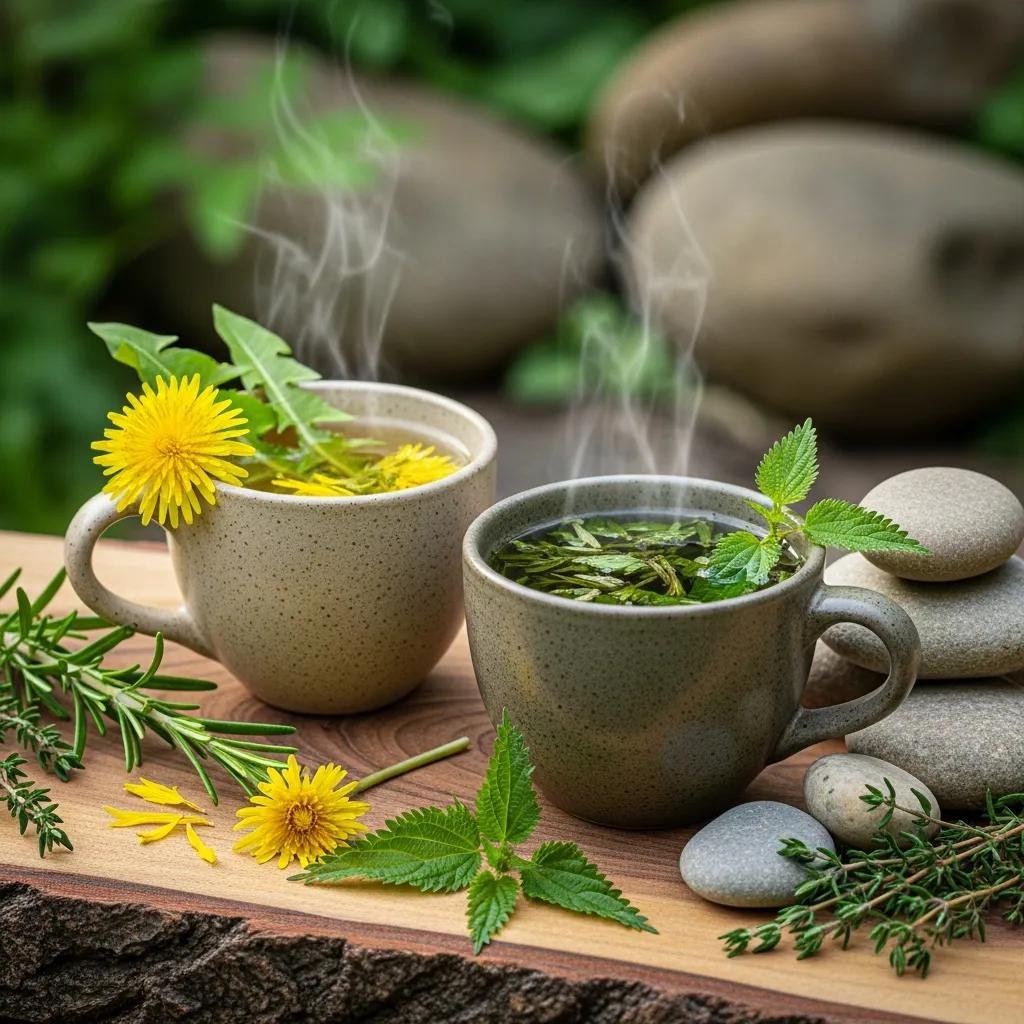
Detox-supportive teas usually work by supporting the liver, stimulating bile flow (choleretic action), or producing gentle diuresis to aid metabolic clearance and fluid balance. Dandelion and nettle are common choices: dandelion may promote bile secretion and mild diuretic effects, while nettle supplies minerals and supports renal excretion. Preparations differ by plant part — use decoctions for roots (dandelion root) and infusions for leaves and flowers (nettles). Typical dosing ranges from one to three cups daily depending on strength and clinical context. Patients with advanced liver or kidney disease need close supervision, since changes in diuresis or hepatic metabolism can affect medication levels or fluid status. Clinician oversight is essential before routine use in these populations.
Clinician integration focuses on assessing baseline organ function, current medications, and detox goals before recommending regular tea use. Moving from mild detox-supportive teas to more intensive detox protocols should be staged with symptom and laboratory monitoring to reduce risk and improve tolerability.
Which Herbal Teas Provide Anti-Inflammatory and Pain Relief Properties?
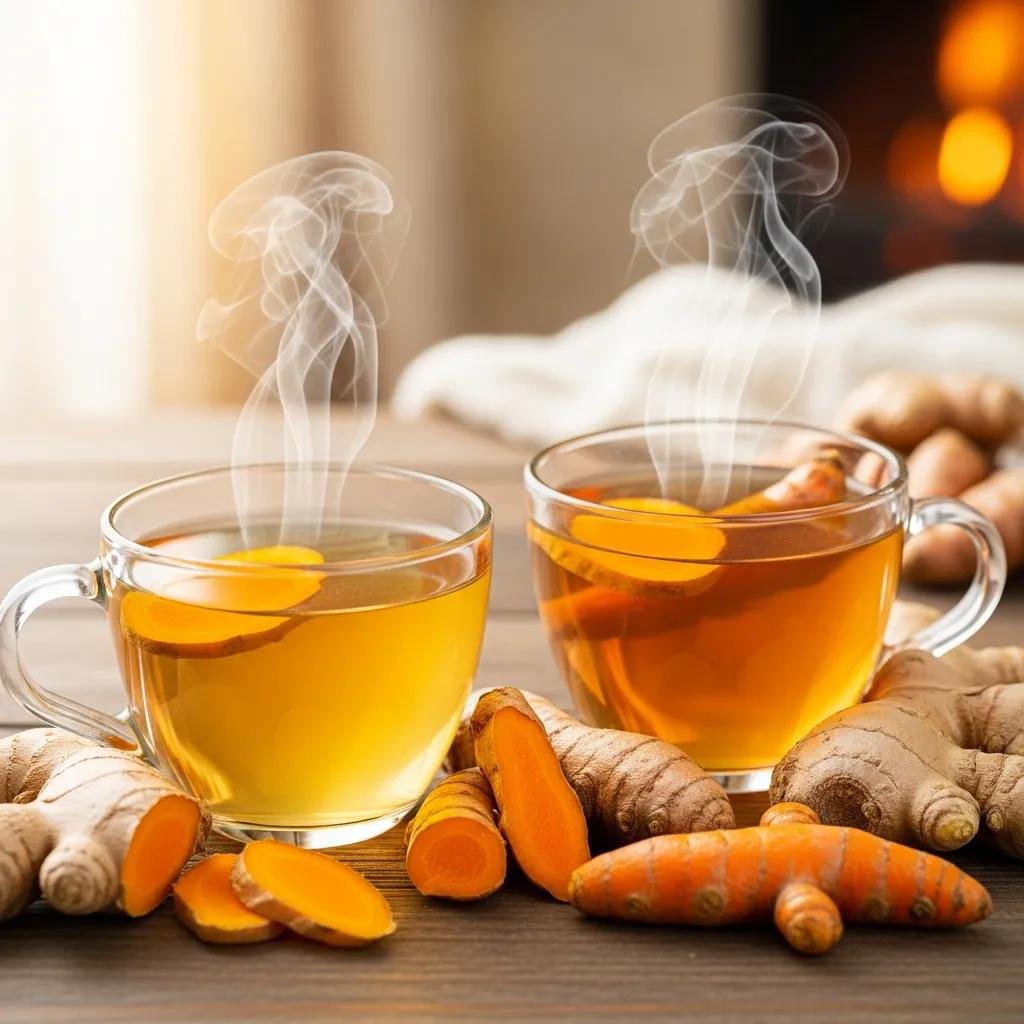
Several herbal teas offer anti-inflammatory and analgesic effects by inhibiting inflammatory mediators, modulating COX-like pathways, and reducing oxidative stress that contributes to pain. Ginger and turmeric (as teas or decoctions) deliver gingerol and curcumin-like compounds that downregulate pro-inflammatory cytokines and reduce nociceptive signaling. Rose hip provides anthocyanins and vitamin C with documented benefits for joint pain. Regular, moderate intake (one to three cups daily) can yield cumulative improvements in chronic inflammation, and pairing these teas with an anti-inflammatory diet often enhances results.
When using these teas clinically, be mindful of patients on anticoagulants or antiplatelet agents — some phytochemicals can affect bleeding risk. Track symptom relief, side effects, and interactions, and adjust tea choices or dosing as part of a personalized pain-management plan.
Which Herbal Teas Are Best for Stress Reduction and Sleep Improvement?
Calming herbal teas work through sedative phytochemicals, GABAergic pathways, or adaptogenic effects on cortisol to reduce anxiety and support restorative sleep. Chamomile, lemon balm, passionflower, and adaptogens such as ashwagandha use different mechanisms: chamomile’s apigenin promotes mild sedation; lemon balm supports GABA and mood; passionflower contains flavonoids that reduce nervous-system hyperactivity; ashwagandha helps normalize the HPA axis over time. Choose the tea based on the goal — immediate sleep induction, nightly relaxation, or long-term stress resilience.
Timing and preparation matter: a calming cup 30–60 minutes before bed helps with sleep onset, while adaptogenic teas are best taken daily for cumulative cortisol-modulating effects. From Dr. Bloem’s perspective, if sleep disturbance or anxiety coexists with hormonal imbalance or chronic illness, calming teas are most effective when integrated into a broader, personalized plan that includes sleep hygiene, targeted hormone work, or supportive therapies as indicated.
- Recommended calming teas for sleep and stress relief:Chamomile: gentle sedative that supports falling asleep.Lemon balm: mood-stabilizing and helpful for mild anxiety.Passionflower: eases nervous tension and improves sleep quality.
- Usage tips:Brew one cup 30–60 minutes before bedtime to encourage sleep onset.Use adaptogenic teas daily rather than only at night for stress regulation.
- Safety summary:Avoid combining these teas with benzodiazepines or strong sedatives without clinician approval.
These options give clinicians and patients simple, trialable choices to monitor for improvements in sleep and daytime stress tolerance.
How Does Chamomile Tea Promote Relaxation and Better Sleep?
Chamomile supports relaxation primarily through apigenin, a flavone that interacts with benzodiazepine-type receptors and produces mild GABAergic effects that reduce anxiety and promote sleep. Clinical trials and meta-analyses show modest improvements in sleep quality and reductions in mild insomnia symptoms with regular chamomile use, especially when part of an evening ritual that reinforces sleep cues. Typical preparation is an infusion of 1–2 grams of dried flowers steeped for 5–10 minutes; taken at night, this dosing is safe and convenient for most adults. Caution is advised for people with ragweed or Asteraceae allergies because cross-reactivity can occur; pregnant patients should consult a provider before using chamomile routinely.
The mechanism → outcome pathway (apigenin → GABA modulation → improved sleep) explains why chamomile pairs well with behavioral sleep strategies and why clinical oversight is important when patients use sedatives or have plant allergies.
What Other Calming Herbal Teas Support Anxiety and Stress Management?
Beyond chamomile, lemon balm, passionflower, and ashwagandha offer complementary actions: lemon balm supports GABAergic tone and mood, passionflower provides flavonoids that reduce nervous-system hyperactivity, and ashwagandha modulates the HPA axis to blunt chronic stress responses. Use short-acting sedative herbs for acute insomnia and adaptogens for ongoing stress management. Brewing methods differ — infusions for leaves and flowers, standardized extracts for adaptogens — so clinicians should agree on consistent dosing and monitor for interactions with antidepressants or sedative medications.
The integration strategy is straightforward: match the herbal mechanism to the clinical need (rapid-acting GABAergic herbs for sleep onset; adaptogens for daytime stress control) and coordinate care with prescribers to avoid pharmacologic overlap.
How Can Herbal Teas Boost Immune System and Support Chronic Illness Management?
Immune-supportive teas contain immunomodulatory phytochemicals that may reduce symptom severity in upper respiratory infections or help maintain immune resilience as part of comprehensive care. Echinacea and elderberry are notable: echinacea can modulate innate immune signaling, and elderberry provides anthocyanins and flavonoids linked to antiviral activity and symptom reduction in some trials when used early. Ginger and green herbal blends support circulation, mucociliary clearance, and systemic anti-inflammatory balance. These teas are adjunctive — not primary — treatments for chronic or complex illnesses where targeted medical therapies address underlying causes.
Clinicians must assess autoimmune status, immunosuppressive medications, and overall disease trajectory before recommending immune-stimulating herbs; some agents may be contraindicated in autoimmune disorders or during certain treatments. In chronic illness care, herbal teas can ease symptoms and support wellbeing while formal therapies address root causes.
What Are the Immune-Enhancing Properties of Echinacea and Elderberry Teas?
Echinacea contains alkylamides and polysaccharides that influence innate immune signaling and may reduce duration or severity of upper respiratory symptoms when started early. Elderberry supplies anthocyanins and flavonoids that have shown antiviral effects and symptom reduction in several randomized trials for acute viral URIs. Timing and preparation matter: short courses begun at symptom onset tend to be most effective, and standardized dosing improves consistency. Safety considerations include potential immune stimulation concerns for people with autoimmune disease and pregnancy-related cautions, so clinician review is recommended for high-risk individuals.
These examples reflect the entity → relationship → entity model: echinacea → modulates → innate immunity, and elderberry → supplies → antiviral anthocyanins, supporting targeted, time-limited use in symptomatic care.
How Do Herbal Teas Complement Holistic Treatments for Chronic Conditions?
Herbal teas can complement holistic protocols — detoxification, hormone optimization, regenerative therapies, and intravenous support — by easing symptoms, improving tolerability, and increasing patient comfort when integrated thoughtfully. For instance, digestive-support teas can reduce GI side effects during detox phases, and calming teas can improve sleep and stress resilience during hormone-regulation programs. Integration requires coordinated care: a full medication review, lab monitoring when appropriate, and staged introduction of herbs to avoid confounding treatment responses or interactions.
Dr. Bloem’s practice emphasizes individualized protocols that seek to identify and correct underlying causes; within that framework, herbal teas serve as supportive adjuncts during longer visits and detailed treatment plans that prioritize safety and root-cause solutions.
Which Herbal Teas Aid Digestive Health and Natural Detox Drinks?
Several herbs help digestion through antispasmodic, carminative, choleretic, or antiemetic effects — peppermint, ginger, and dandelion are primary, evidence-backed examples. Peppermint relaxes smooth muscle to relieve biliary and intestinal spasm, ginger reduces nausea by modulating TRP channels and improving gastric motility, and dandelion supports bile flow and gentle diuresis to aid metabolic processing. Brewing and dosing vary by symptom: peppermint infusion for bloating and cramping, ginger infusion or decoction for nausea and inflammatory gut pain, and dandelion root decoction for liver-focused support.
Below is a concise clinical reference clinicians can use when advising patients on brewing, dosing, and cautions for digestive and detox-supportive teas.
| Tea | Digestive/Detox Action | Usage / Brewing Dosage / Cautions |
|---|---|---|
| Peppermint | Antispasmodic (menthol) | Infuse 1 tsp dried leaves in 8 oz hot water for 5–10 min; avoid in GERD/reflux |
| Ginger | Antiemetic, anti-inflammatory | Slice or grate 1–2 g fresh or 1 tsp dried and steep 10 min; caution with anticoagulants |
| Dandelion | Choleretic, diuretic | Decoction of root: 1 tsp–1 tbsp dried simmered in water; avoid with bile duct obstruction |
| Lemon Balm | Carminative, calming | Infuse 1 tsp–1 tbsp leaves; suitable for sensitive GI and anxiety-related dyspepsia |
This snapshot follows an EAV-style (entity → action → value) format for quick clinical reference and safe patient guidance. After initiating a protocol, monitor symptoms and medication interactions to ensure teas are supportive rather than problematic.
How Does Peppermint Tea Relieve Digestive Discomfort?
Peppermint’s digestive benefit stems from menthol’s relaxation of visceral smooth muscle and transient modulation of intestinal motility, which reduces cramping and spasm-related pain. Trials show benefit for IBS-related pain and bloating with peppermint preparations, though peppermint can worsen reflux by relaxing the lower esophageal sphincter and should be avoided in GERD-predominant cases. A common preparation is one teaspoon of dried peppermint leaves per 8 ounces of hot water, steeped for 5–10 minutes, with one to two cups as tolerated. Patients on certain medications or with significant reflux should consult a clinician before regular use.
Understanding menthol → smooth muscle relaxation → symptom relief clarifies when peppermint is an appropriate first-line herbal for spasmodic digestive complaints and when to choose alternatives.
What Are the Benefits of Ginger and Dandelion Teas for Digestion and Detox?
Ginger provides anti-nausea and anti-inflammatory benefits via gingerol and related compounds that affect gut motility and visceral nociception, making it useful for motion sickness, pregnancy-related nausea (under clinician guidance), and postoperative nausea. Dandelion root and leaf preparations act as choleretics to stimulate bile flow and as mild diuretics to support fluid balance and metabolic clearance. Use ginger infusions for symptomatic nausea and dandelion decoctions for targeted liver support. Note interactions: dandelion can potentiate diuretics and affect electrolytes, while ginger can influence anticoagulant activity. Clinical review ensures these teas complement rather than complicate existing therapies.
How Do Herbal Teas Contribute to Anti-Aging and Skin Health?
Antioxidant-rich herbal teas reduce oxidative stress, support vascular health, and deliver compounds relevant to skin integrity and aging pathways. Rooibos and hibiscus have promising profiles: rooibos supplies polyphenols and unique flavonoids that neutralize free radicals and support collagen-preserving pathways; hibiscus delivers anthocyanins associated with vascular benefits and modest blood-pressure effects. Regular consumption of antioxidant teas supports a dietary pattern that lowers cumulative oxidative damage, and cooled infusions or compresses can sometimes soothe inflammatory skin conditions topically.
Clinicians can include these teas in anti-aging regimens as adjunctive nutritional strategies while emphasizing comprehensive care — nutrition, hormone balance, regenerative therapies, and lifestyle changes — to address skin aging holistically.
| Tea | Antioxidant / Skin Benefit | Evidence Level / Suggested Integration |
|---|---|---|
| Rooibos | Polyphenols protect against oxidative stress | Moderate evidence; suggest daily infusion as a dietary antioxidant |
| Hibiscus | Anthocyanins support vascular tone and antioxidant capacity | Moderate evidence; monitor with antihypertensives |
| Green Rooibos blends | Broad polyphenol spectrum | Emerging evidence; combine with topical skin care as an adjunct |
What Are the Antioxidant Benefits of Rooibos and Hibiscus Teas?
Rooibos contains polyphenols and aspalathin that scavenge reactive oxygen species and modulate inflammatory signaling, supporting systemic antioxidant defenses relevant to skin aging and cellular resilience. Hibiscus provides anthocyanins that lower oxidative markers and have shown modest improvements in blood pressure and endothelial function in clinical studies, which indirectly supports skin perfusion and repair. Clinically, recommend one to two cups daily as a dietary measure while monitoring for interactions — for example, hibiscus with antihypertensive medications. These teas complement broader anti-aging strategies by lowering oxidative burden and supporting vascular health.
How Can Herbal Teas Be Integrated into Personalized Wellness Plans?
Integrating herbal teas into personalized plans starts with a structured assessment: review medical history, medications, allergies, organ function, and patient goals before selecting herbs and dosing schedules. Clinicians should document baseline symptoms, set measurable short-term goals (sleep quality, pain scores, digestive symptom tracking), and schedule follow-up to assess efficacy and safety, adjusting protocols as needed. Sample protocols might include chamomile nightly for sleep induction, ginger for episodic nausea, and daily rooibos for antioxidant support — each with clear monitoring parameters. If complexity increases (polypharmacy, pregnancy, autoimmune disease), escalate to more intensive monitoring or lab evaluation to keep use safe and effective.
This framework — assessment → selection → monitoring → adjustment — aligns herbal tea use with the personalized, root-cause approach central to integrative care.
What Precautions Should Be Taken When Using Herbal Teas for Health and Wellness?
Herbal teas are generally safe when used appropriately, but key precautions include interactions with medications (anticoagulants, antihypertensives, immunosuppressants), contraindications in pregnancy or fertility concerns, allergic reactions (particularly Asteraceae family), and organ-dysfunction considerations (liver, kidney). Patients on multiple medications, those planning surgery, or immunocompromised individuals should consult a healthcare provider before starting regular herbal tea regimens to avoid adverse interactions or altered drug metabolism. Stop and seek care for red flags — new rash, worsening symptoms, unexpected bleeding, or signs of organ dysfunction.
A concise checklist below helps patients and clinicians decide when to seek guidance and what details to share during a visit.
- Situations requiring clinician review:
Pregnancy, breastfeeding, or planning pregnancy.Chronic conditions such as liver, kidney, cardiovascular, or autoimmune disease.Current medications including anticoagulants, antihypertensives, or immunosuppressants. - Information to bring to an appointment:
Complete medication and supplement list with doses and timing.Specific herbal teas used, preparation method, frequency, and any effects you’ve noticed. - Immediate stop-and-seek-care signs:
New severe allergy, unexpected bleeding, jaundice, or acute worsening of a chronic condition.
These precautions help keep herbal tea use safe and effective within holistic care and encourage collaborative decision-making between patients and clinicians.
Are There Potential Interactions Between Herbal Teas and Medications?
Yes. Several medication classes can interact with herbal teas through pharmacodynamic or pharmacokinetic mechanisms — for example, anticoagulants can be potentiated by ginger or high-dose green tea compounds, and antihypertensives may be affected by hibiscus’s blood-pressure–lowering effects. Clinicians should identify teas with known interactions and ask patients to share full supplement histories. Practical triage steps include holding certain teas before surgery, checking liver and kidney function when starting choleretic or diuretic herbs, and monitoring INR or blood pressure when relevant. When uncertain, stop the herb and consult a clinician for a risk assessment.
Concrete examples and monitoring plans reduce risk and support safe adjunctive use of herbal teas in medically complex patients.
When Should Patients Consult a Healthcare Provider About Herbal Tea Use?
Patients should consult a healthcare provider before beginning regular herbal tea protocols if they are pregnant, breastfeeding, have chronic disease, take prescription medications, plan surgery, or have a history of severe allergies. Bring a detailed list of medications, supplements, dosing patterns, and symptom goals so the clinician can evaluate interactions and tailor recommendations. Providers can then suggest suitable teas, dosing, monitoring, and alternatives if contraindications exist. If adverse effects occur — new rash, bleeding, jaundice, or worsening symptoms — stop the tea and seek medical evaluation promptly.
For personalized guidance that integrates herbal tea use into safe, individualized care plans, patients can consult clinicians who focus on root-cause medicine and tailored protocols, such as those at Dr. Fred Bloem / Internal Healing and Wellness MD, where longer visits and detailed planning support safe herbal integration into broader wellness strategies.
Frequently Asked Questions
1. Can herbal teas be used alongside conventional medications?
Yes — in many cases herbal teas can be used alongside conventional medications, but caution is required. Some teas may interact with drugs, changing their effect or safety. For example, ginger can potentiate anticoagulants, and hibiscus may lower blood pressure, affecting antihypertensives. Always tell your healthcare provider about any teas or supplements you’re using so they can advise on safe combinations.
2. How should herbal teas be prepared for maximum benefit?
Preparation varies by herb. Dried leaves and flowers are usually steeped in hot water for 5–10 minutes to extract active compounds. Roots are often prepared as decoctions (simmered). Typical intake is one to three cups daily, depending on the herb and health goal. Follow specific brewing guidance for each tea for best results.
3. Are there any side effects associated with herbal teas?
While generally well tolerated, herbal teas can cause side effects in some people — allergic reactions, gastrointestinal upset, or interactions with medications. Peppermint, for example, may worsen GERD. Monitor for adverse effects and consult a provider if symptoms arise, particularly if you have underlying health conditions or take medications.
4. How can I choose the right herbal tea for my specific health needs?
Selecting the right tea depends on your goals and health status. Chamomile or lemon balm may help with relaxation, while ginger is useful for digestive symptoms. A healthcare provider can tailor choices based on your medical history, potential interactions, and desired outcomes to ensure safe, effective use.
5. Can herbal teas be used for long-term health benefits?
Yes — many teas can be part of a long-term wellness plan. Antioxidant-rich teas like rooibos and hibiscus may support overall wellbeing and skin health when consumed regularly. Still, monitor for side effects or medication interactions over time and consult a provider to confirm long-term suitability.
6. What should I do if I experience adverse effects from herbal teas?
If you notice adverse effects — allergic reactions, unexpected bleeding, or worsening chronic symptoms — stop the tea immediately and seek medical evaluation. Record your symptoms and any other medications or supplements you’re taking to help clinicians assess the situation and advise future use.
7. Are there specific populations that should avoid herbal teas?
Certain groups should exercise caution or avoid some herbal teas: pregnant or breastfeeding women, people with chronic liver or kidney disease, and those on immunosuppressive medications should consult a healthcare provider first. People with known plant allergies should avoid teas made from those species.
Conclusion
Used thoughtfully, herbal teas can be a supportive part of your wellness routine — easing digestion, promoting relaxation, and adding antioxidant support. This guide offers evidence-informed, practical tips to help you choose, prepare, and monitor teas that match your health goals. For personalized recommendations and to explore tailored protocols, consult a healthcare provider. If you’d like expert guidance, clinicians at Internal Healing and Wellness — including Dr. Fred Bloem — can help integrate herbal teas safely into a broader, individualized plan. Start your journey toward natural healing and wellbeing with informed, clinician-aware choices.

