

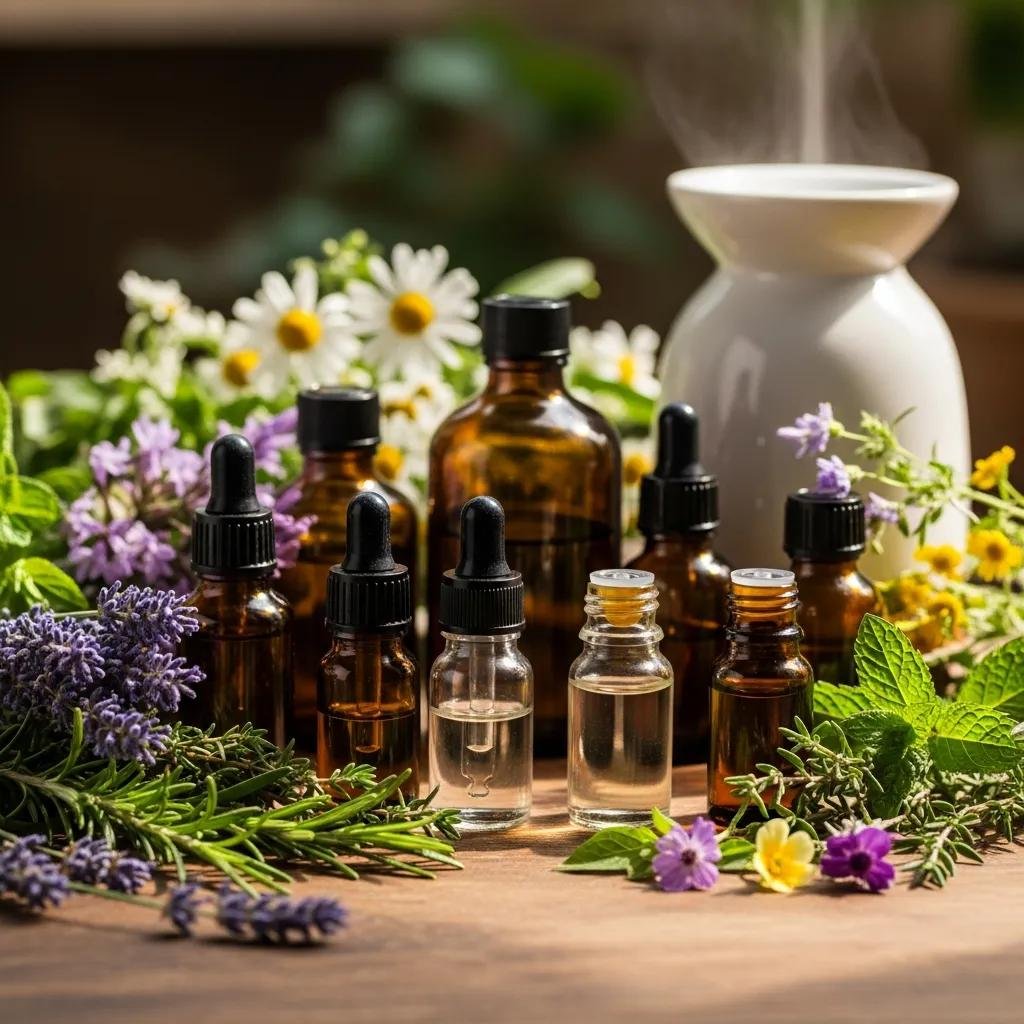
Using Essential Oils for Holistic Well‑Being: Integrative Aromatherapy to Support Natural Healing
Essential oils are concentrated plant extracts rich in volatile aroma compounds that influence physiology and mood through inhalation and topical use. Research shows inhaled fragrant molecules engage the olfactory→limbic pathway to affect stress, sleep, and emotional memory, while skin-applied constituents can penetrate the epidermis to deliver anti‑inflammatory and antioxidant phytochemicals. This guide reviews how aromatherapy supports natural healing across stress reduction, sleep improvement, pain relief, immune‑supportive practices, and hormone‑friendly skincare. You’ll find practical blends, safe application methods, and evidence‑aware guidance designed to help people integrate essential oils alongside clinical care. Many patients want medically informed, integrative approaches—this article maps mechanisms, therapeutic oil choices, routine templates, safety precautions, and when to consult a clinician about combining essential oils with medical treatments. Expect clear explanations, compact comparison tables for quick reference, actionable home protocols, and guidance on clinician collaboration so you can apply these recommendations safely today.
What Are Essential Oils and How Do They Support Holistic Health?
Essential oils are volatile plant extracts that concentrate a plant’s aromatic phytochemicals and exert effects mainly through inhalation and topical absorption. Key mechanisms include olfactory stimulation of limbic structures for mood regulation, percutaneous absorption of terpenes and phenolics for local anti‑inflammatory action, and systemic modulation when skin‑permeable constituents reach circulation. Understanding these routes clarifies why clinicians incorporate essential oils into holistic plans for stress relief, sleep support, pain management, immune resilience, and skin health. Below is a compact comparison of commonly used essential oils, their principal constituents, and evidence‑based benefits to help clinicians and informed consumers choose wisely.
| Essential Oil | Primary Constituents / Mechanism | Evidence-based Benefit |
|---|---|---|
| Lavender (Lavandula angustifolia) | Linalool, linalyl acetate — olfactory anxiolytic + mild topical anti‑inflammatory | Demonstrated anxiety reduction and improved sleep quality in randomized trials and clinical studies |
| Peppermint (Mentha piperita) | Menthol, menthone — TRPM8 activation, cooling analgesia | Effective for headache relief and reducing muscle tension; topical analgesic effects supported by clinical data |
| Frankincense (Boswellia serrata) | Boswellic acids, monoterpenes — anti‑inflammatory, skin remodeling signals | Supports skin rejuvenation and lowers inflammatory markers in dermatologic settings |
This table summarizes core mechanisms and practical benefits while distinguishing symptomatic relief from claims of disease cure. The next section explains olfactory and topical pathways in more detail so you can see how these mechanisms translate to real‑world effects.
How Does Aromatherapy Work in Holistic Wellness?
Aromatherapy acts through two main biological routes: olfactory‑limbic signaling and topical pharmacology, each producing measurable effects on mood and physiology. Volatile molecules activate olfactory receptors and transmit signals to limbic centers, influencing cortisol patterns, emotional memory, and autonomic balance—this explains the rapid mood changes often reported after inhalation. Topically applied oils, when properly diluted in carrier oils, can penetrate the stratum corneum and deliver terpenes that modulate local inflammatory cascades and nociceptive signaling. Recent reviews also highlight contextual factors—ritual, expectation, and environment—that shape outcomes; effective clinical integration pairs biochemical activity with therapeutic context to maximize benefit. Understanding these layered mechanisms supports safe, targeted use within integrative care plans.
What Are the Key Benefits of Essential Oil Therapy?
Essential oil therapy offers multi‑domain symptomatic support by combining botanical chemistry with sensory input. Primary benefits include anxiety and stress reduction from anxiolytic aromatics, sleep promotion via sedative scent profiles, topical analgesia for muscle and joint discomfort, adjunctive respiratory and immune‑supportive inhalation, and skin‑rejuvenating effects that complement anti‑aging strategies. Controlled trials most consistently show symptomatic improvements for sleep and acute anxiety; evidence for disease modification remains preliminary and is strongest when oils are used alongside clinical care. Clinicians should view essential oils as complementary tools that enhance patient‑centered integrative protocols—not as standalone cures.
With mechanisms and benefits established, the next section profiles stress‑focused oils and safe application methods for everyday relief.
Which Essential Oils Are Best for Stress and Anxiety Management?
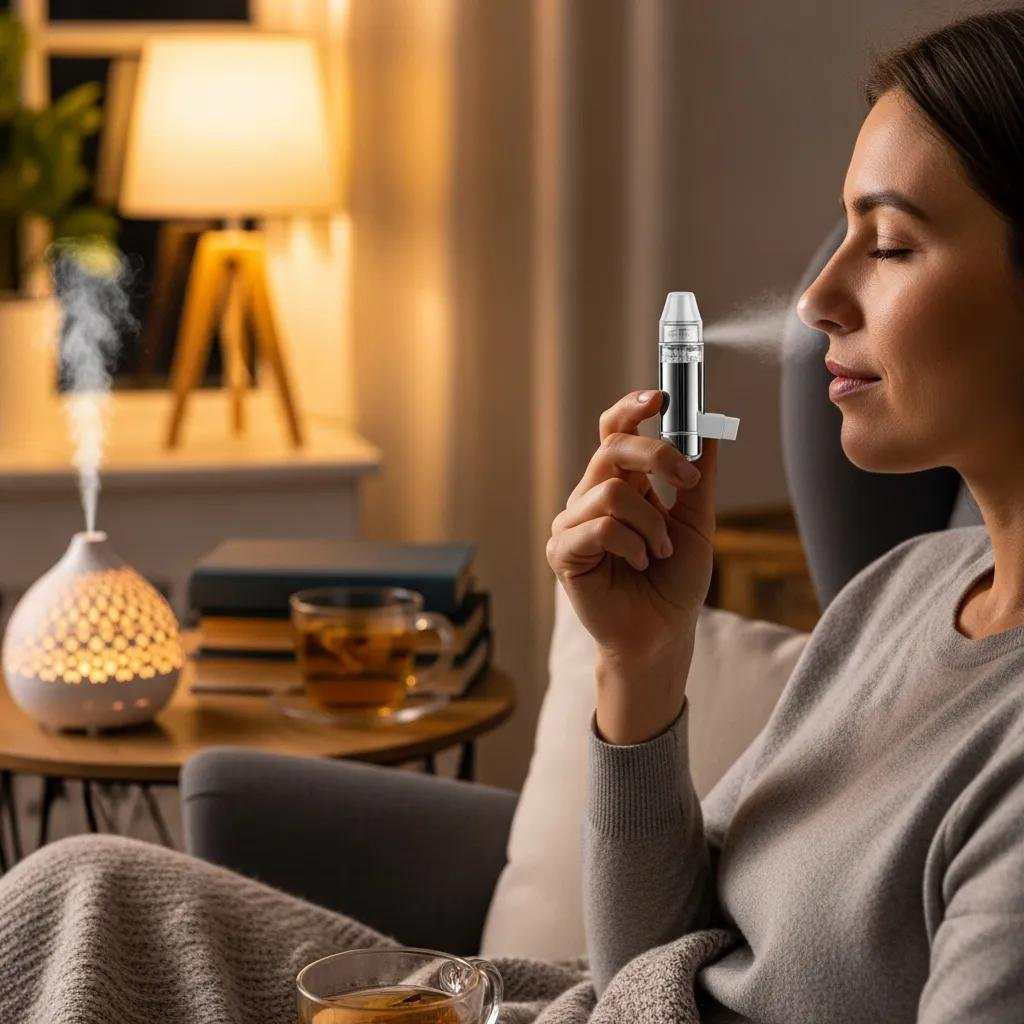
Certain essential oils consistently appear in clinical literature and practice for their calming olfactory profiles and neurophysiologic effects. Lavender, bergamot, and Roman chamomile offer anxiolytic signaling via linalool, limonene, and apigenin‑like constituents respectively, which influence GABAergic and serotonergic pathways when inhaled. Safe application methods include short diffusions, personal inhalers, and low‑concentration topical rollers—these combine immediate olfactory impact with tactile cues that reinforce relaxation. The table below summarizes top stress‑reduction oils, common uses, and recommended dilutions for adults.
| Essential Oil | Typical Uses | Recommended Application Methods & Dilution |
|---|---|---|
| Lavender | Acute anxiety, sleep onset, relaxation | Diffuse 30–60 minutes; topical 1–3% dilution in carrier oil |
| Bergamot | Mood elevation, stress reduction (inhalation) | Personal inhaler or diffusion; avoid phototoxic exposure topically (use bergapten‑free or cold‑pressed bergamot to reduce risk) |
| Chamomile (Roman) | Calming effect, tension relief | Low‑concentration topical (0.5–1%); inhalation via diffuser or inhaler |
This quick reference helps clinicians and consumers select oils and set safe dilutions. Patients with chronic conditions or those taking medications should coordinate aromatherapy with their physician.
Many people benefit from pairing aromatherapy with integrative medical treatment to address root causes of chronic stress. At Internal Healing and Wellness, Dr. Fred Bloem emphasizes root‑cause assessment and individualized plans where aromatherapy augments clinical strategies such as bioidentical hormone balancing or supportive IV therapies. When stress, hormonal shifts, or chronic illness contribute to anxiety, a clinician‑led evaluation clarifies interactions and yields a personalized aromatherapy protocol that complements medical treatment while prioritizing safety.
How Do Lavender, Bergamot, and Chamomile Promote Calm and Relaxation?
Lavender’s linalool and linalyl acetate exert anxiolytic and mild sedative effects on limbic circuits and autonomic tone, with trials showing reductions in state anxiety and improved sleep metrics. Bergamot’s limonene‑rich profile appears to lower sympathetic arousal when inhaled, offering rapid relief during acute stress. Roman chamomile contains esters and flavonoid‑like compounds that foster calm and can reduce short‑term physiological stress markers. Simple home blends—lavender + bergamot for daytime ease or lavender + chamomile for evening calm—use olfactory synergy to support mood regulation.
What Are Safe Application Methods for Stress Relief?
Safety begins with correct dilution, patch testing, and conservative diffusion routines to minimize irritation while preserving benefit. For adults, topical concentrations of 1–3% are generally appropriate for rollers and chest blends; use 0.5–1% for sensitive areas and perform a patch test before broader use. Diffusion protocols commonly recommend 30–60 minutes on, followed by a 60–90 minute break to avoid desensitization or respiratory irritation. Pregnant people, children, and individuals with chronic illnesses or complex medication regimens should consult a clinician before starting aromatherapy to review contraindications and interactions.
Next we’ll apply these principles to sleep‑focused routines where timing and blend choice further optimize outcomes.
How Can Essential Oils Enhance Sleep Quality Naturally?
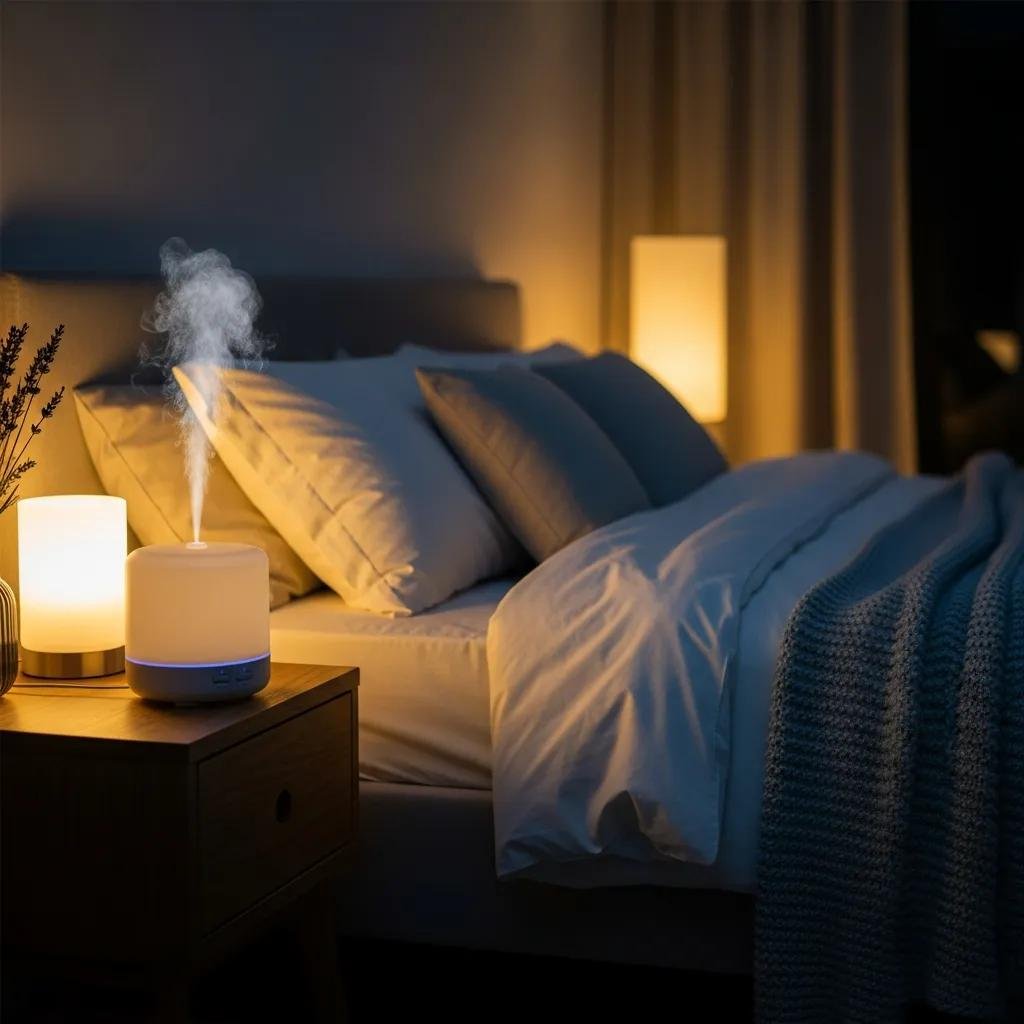
Aromatherapy supports sleep by using sedative‑scented oils to reduce pre‑sleep arousal, signal circadian cues, and reinforce relaxation behaviors that promote sleep onset and continuity. Oils such as lavender, cedarwood, and vetiver have grounding aroma profiles and have shown sleep‑enhancing effects in diverse populations—short inhalation before bed can reduce sleep latency and improve perceived sleep quality. Pairing aromatherapy with consistent bedtime habits—timed diffusion, topical sleep rollers, and sleep hygiene—amplifies benefit by creating reliable cues that condition relaxation. For persistent insomnia or suspected endocrine contributors, combine aromatherapy with medical sleep assessment (including hormone evaluation) to optimize safety and outcomes.
Which Essential Oils Improve Restful Sleep?
Lavender consistently improves sleep quality and reduces nighttime awakenings in clinical studies, making it a first‑line choice for sleep onset and maintenance. Cedarwood and vetiver offer resinous, grounding notes that support slow‑wave sleep and calm nighttime anxiety—helpful when fragmentation is an issue. Onset blends pair lavender with bergamot or chamomile; maintenance blends pair lavender with cedarwood or vetiver. Typical dosing is a brief pre‑sleep diffusion or a 1–2% topical roll‑on applied to the wrists or chest.
What Are Effective Aromatherapy Bedtime Routines?
- Step 1: Diffuse a sleep blend for 30–45 minutes while dimming lights and disconnecting from screens to encourage melatonin release.
- Step 2: After a patch test, apply a 1–2% lavender or lavender‑cedarwood roller to the chest or inner wrists.
- Step 3: Spend 5–10 minutes on slow breathing or guided imagery to align the scent cue with parasympathetic activation.
These steps create a reproducible pre‑sleep ritual that helps condition the nervous system and supports medical sleep evaluation when required.
What Are the Natural Pain Relief Benefits of Essential Oils?
Essential oils can ease pain and inflammation through multiple mechanisms: TRPM8‑mediated cooling from menthol (peppermint), monoterpene‑driven anti‑inflammatory activity (eucalyptus), and warming counter‑irritant effects (ginger). When blended with carrier oils and applied using massage, these botanicals combine mechanical, thermal, and phytochemical actions to lower pain scores and improve short‑term function in clinical trials. Below is a focused comparison of analgesic oils, their mechanisms, and recommended topical approaches clinicians and patients can adapt for conservative pain management.
| Essential Oil | Anti-inflammatory / Analgesic Mechanism | Best Topical / Massage Technique |
|---|---|---|
| Peppermint | Menthol‑mediated TRPM8 activation; cooling analgesia | 1–2% dilution for localized muscle pain; apply with long effleurage strokes |
| Eucalyptus | 1,8‑Cineole anti‑inflammatory and bronchodilatory effects | 1–3% dilution for chest/upper back; use short friction strokes to reduce tension |
| Ginger | Warming, prostaglandin‑modulating constituents | 1–2% dilution for deep tissue soreness; apply with deeper compressive massage |
How Do Peppermint, Eucalyptus, and Ginger Alleviate Muscle and Joint Pain?
Peppermint’s menthol activates cold receptors that can interrupt pain signaling and reduce perceived soreness—helpful for tension headaches and superficial muscle pain. Eucalyptus, rich in cineole, modulates inflammatory mediators and supports respiratory clearance, which can be useful when chest tightness or congestion contributes to discomfort. Ginger’s warming, anti‑inflammatory compounds support circulation and tissue recovery, aiding deep muscle soreness. Used in low concentrations with appropriate massage, these oils provide complementary analgesia that can reduce reliance on systemic medications in some cases.
What Are Recommended Topical and Massage Techniques?
Effective topical application combines safe dilution, targeted massage strokes, and careful contraindication screening. Use 1–3% dilutions for adults based on area size and sensitivity—favor 1% for thin‑skinned regions and up to 3% for large muscle groups—and always perform a 24‑hour patch test. Massage should move from light effleurage to focused petrissage on trigger points, finishing with lymphatic techniques for inflammation; a 10–20 minute session per region balances efficacy and tolerance. Avoid open wounds, mucous membranes, or areas with impaired sensation, and consult a clinician when pain is new, severe, or progressive.
These practical techniques lead into immune‑supportive aromatherapy protocols described next.
How Do Essential Oils Support Immune Health and Detoxification?
Certain essential oils contain antimicrobial, antioxidant, and lymphatic‑stimulating constituents that can support hygienic practices and the perception of detoxification when used responsibly as adjuncts. Tea tree, lemon, and eucalyptus carry antimicrobial terpenes or limonene‑rich profiles useful for surface cleansing, inhalation support, and environmental aroma management. Safe diffusion and personal inhaler use can create supportive respiratory environments, but essential oils remain complementary to—not substitutes for—medical immune therapies or clinician‑directed detox protocols. When immune function is a concern, combine aromatherapy with medical assessment and treatment to ensure safe, evidence‑aligned application.
Which Oils Boost Immunity and Aid Detox?
Tea tree oil contains terpinen‑4‑ol and related compounds with topical antimicrobial activity suitable for minor skin concerns and hygiene. Lemon and grapefruit provide limonene‑rich profiles that can support lymphatic sensation and offer antioxidant aroma cues. Eucalyptus supports respiratory clearance and may ease mucosal discomfort during colds when used in appropriate inhalation concentrations. Each oil has context‑specific roles—tea tree as a topical adjunct for mild skin issues, citrus blends for energizing detox rituals—and should be applied conservatively with an eye to sensitivity and evidence limits.
How to Use Diffusion and Inhalation for Immune Support?
For immune‑supportive use, favor intermittent room diffusion (30–60 minutes on, 60–90 minutes off) at mild concentrations to reduce the risk of mucosal irritation—especially in shared spaces or around vulnerable people. Personal inhalers provide controlled, on‑demand inhalation without continuous exposure and are useful for short‑term respiratory support. Avoid prolonged diffusion in enclosed spaces and never substitute essential oils for vaccination, prescribed treatment, or established hygiene measures. Seek clinician advice for persistent or severe immune concerns.
Coordinating immune‑supportive aromatherapy with clinician oversight is especially important for patients undergoing medical detoxification or IV therapies.
What Are the Roles of Essential Oils in Hormone Balance and Anti-Aging?
Essential oils can be useful adjuncts for hormone‑related symptoms and skin aging by offering topical anti‑inflammatory, antioxidant, and signaling effects that complement clinical hormone therapy and dermatologic treatments. Clary sage and geranium are commonly used for mood balance and vasomotor symptom support, while frankincense and rose support skin regeneration and reduce cutaneous inflammation. These botanical adjuncts should be integrated carefully with bioidentical hormone replacement and anti‑aging procedures to avoid interactions and optimize timing relative to in‑clinic interventions.
How Do Clary Sage, Geranium, and Frankincense Promote Hormonal Health and Skin Rejuvenation?
Clary sage contains constituents with phytoestrogen‑like activity that may influence cortisol balance and menopausal symptoms via inhalation and topical routes, offering symptom relief for some women when used adjunctively. Geranium provides harmonizing aromas and topical benefits that can support mood and skin tone in low dilutions. Frankincense contains boswellic‑type and monoterpene compounds that reduce cutaneous inflammation and support collagen signaling, making it a useful addition in serums for skin rejuvenation when combined with proper carrier oils and sun protection.
How to Integrate Essential Oils into Skincare and Hormone Therapy?
Integrating essential oils into skincare and hormone plans requires conservative dilutions, careful timing, and clinician collaboration to avoid interactions or procedural complications. Use 0.5–2% dilutions in facial serums and avoid peri‑procedural windows—before or after injectables or laser—unless cleared by the treating clinician. For hormone symptom support, aromatherapy should accompany, not replace, medical evaluation and bioidentical hormone therapy; discuss topical and inhalation plans with your provider to align aromatherapy with medical dosing and monitoring. For patients cared for at Internal Healing and Wellness, aromatherapy can be woven into individualized skin and hormone protocols that coordinate anti‑aging medicine and bioidentical hormone strategies.
If you want personalized, medically supervised aromatherapy that aligns with your care, a consultation with an integrative clinician will ensure safety and improve outcomes. Dr. Fred Bloem / Internal Healing and Wellness MD offers coordinated approaches—including bioidentical hormone replacement, anti‑aging medicine, regenerative joint therapies, IV therapies, and comprehensive care for complex chronic illnesses—that can complement aromatherapy when clinically appropriate. A clinical review helps identify root causes, synchronize aromatherapy with medical treatments, and produce a tailored plan focused on safety, efficacy, and measurable results.
Frequently Asked Questions
1. Can essential oils be used safely during pregnancy?
Some essential oils can be used safely in pregnancy, but extra caution is warranted—especially in the first trimester. Always consult your healthcare provider before using any essential oils while pregnant. Oils such as lavender and chamomile are often considered gentler, but proper dilution and avoidance of sensitive areas are essential. Your clinician can offer personalized guidance based on your health history.
2. How can I choose the right essential oil for my specific needs?
Choose an oil based on your symptom goals and scent preference. For stress relief, lavender and bergamot are common choices; for topical pain relief, consider peppermint or ginger. Review each oil’s properties and safety profile, and consider consulting a certified aromatherapist or healthcare provider to tailor selections to your needs and ensure safe usage.
3. Are there any side effects associated with using essential oils?
Yes—if used improperly, essential oils can cause skin irritation, allergic reactions, or respiratory symptoms in sensitive individuals. Always perform a patch test for topical use and adhere to recommended dilutions. Pregnant people, children, and those with chronic health conditions or complex medication regimens should consult a clinician before use to reduce the risk of adverse effects or interactions.
4. How can I incorporate essential oils into my daily routine?
Integrating essential oils can be simple: diffuse oils in your home, add a few drops to bathwater, or use them in diluted massage oils. For stress relief, apply diluted oils to pulse points or carry a personal inhaler. Create consistent cues—calming oils before bed, energizing blends in the morning—to reinforce routines and enhance benefits over time.
5. Can essential oils interact with medications?
Yes. Some oils can affect liver enzymes or otherwise alter drug metabolism, which may change medication effectiveness or side‑effect profiles. If you take prescription medications—especially long‑term—talk with your healthcare provider before adding essential oils to your routine so they can check for potential interactions and advise safe approaches.
6. What is the best way to store essential oils?
Store essential oils in a cool, dark place away from direct sunlight and heat to preserve potency. Use dark glass bottles to protect against UV degradation and keep caps tightly sealed to limit oxidation. A stable storage environment helps extend shelf life and maintain therapeutic properties.
7. How can I find high-quality essential oils?
Look for reputable brands that share sourcing and production details and offer third‑party testing to confirm purity and potency. Choose oils labeled 100% pure and free from synthetic additives, and read reviews or seek recommendations from certified aromatherapists. Transparency and testing are the best markers of quality.
Conclusion
When used thoughtfully, essential oils can be a natural, practical addition to a holistic wellness plan—helping with stress reduction, sleep, and symptomatic pain relief. By understanding mechanisms, choosing appropriate oils, and following safe application practices, you can integrate aromatherapy in ways that complement broader medical care. For personalized guidance and to explore evidence‑aligned aromatherapy within an integrative treatment plan, consult with a qualified clinician. Take the next step toward balanced, whole‑person wellbeing today.

