


IV Nutrient Therapy Clinic in Kensington, MD: Your Guide to Holistic Vitamin IV Drips and Immune‑Boosting Treatments
Intravenous (IV) nutrient therapy delivers vitamins, minerals, antioxidants and fluids straight into the bloodstream to support recovery, immune function and everyday vitality. This guide walks through how IV nutrient therapy works, why clinicians choose specific formulations, and the common treatment goals we address in Kensington—hydration, immune support, energy restoration and cellular resilience. You’ll find a clear comparison of IV delivery versus oral supplements, an overview of commonly used nutrients and IV cocktails, and guidance on who typically benefits. We also cover what to expect during a visit, realistic cost ranges and patient-reported outcomes within a holistic care framework. Practical lists and comparison tables are included to help you weigh options and decide whether vitamin IV or adjunctive therapies fit your health plan. Local search terms like vitamin IV Kensington, IV drips Kensington and immune boost IV Kensington are woven in to underline local relevance.
What Is IV Nutrient Therapy and How Does It Work?
IV nutrient therapy is the clinical administration of vitamins, minerals, antioxidants and amino acids directly into a vein to achieve therapeutic blood levels faster than oral routes. By bypassing gastrointestinal absorption and first‑pass liver metabolism, IV delivery raises circulating nutrient levels more predictably and enables rapid tissue uptake—often translating to measurable effects such as improved cellular energy and antioxidant protection. Clinicians use IV therapy for fast rehydration, acute symptom relief, immune support and as part of integrative plans for chronic conditions where oral absorption is limited. Evidence shows that direct plasma delivery increases bioavailability for many compounds and can shorten recovery timelines in appropriately selected clinical settings.
Because nutrients work by different mechanisms, the compact table below clarifies common agents and their physiologic roles before we discuss cocktail composition in more detail.
Intravenous nutrient delivery is chosen when rapid plasma elevation, precise dosing or bypassing malabsorption is clinically warranted. Safe practice requires medical screening and monitoring so protocols match each patient’s needs.
How Does IV Therapy Deliver Nutrients More Effectively Than Oral Supplements?
IV administration achieves near‑complete bioavailability for many infused compounds by avoiding intestinal breakdown and first‑pass hepatic metabolism, producing immediate rises in plasma concentration. Oral absorption varies—some B vitamins absorb well while larger molecules and high‑dose vitamin C show reduced uptake past certain thresholds—whereas IV infusion reliably reaches therapeutic levels. In clinical practice, this means IV routes are preferable for rapid repletion, acute immune support, or when GI absorption is impaired by surgery, malabsorption syndromes or complex medication regimens. Clinicians weigh the speed and dosing precision of IV therapy against invasiveness and cost; IV care complements, rather than replaces, oral maintenance strategies. Understanding these pharmacokinetic differences clarifies when an IV drip is a sensible addition to an integrative care plan.
What Nutrients Are Commonly Used in IV Vitamin Drips at Our Kensington Clinic?
Common IV nutrients we use include vitamin C, B‑complex (B1, B2, B3, B6, B12), magnesium, glutathione, selected amino acids and NAD+ precursors—each chosen for a specific physiologic action. Vitamin C is a potent antioxidant and immune cofactor; B vitamins support cellular energy and neurotransmitter synthesis; magnesium assists ATP use and neuromuscular regulation; glutathione provides intracellular antioxidant and detox support; amino acids support repair and recovery; and NAD+ precursors support mitochondrial function. The table below summarizes nutrient → mechanism → clinical benefit to help compare options and guide clinician‑led customization.
| Nutrient | Mechanism | Clinical Benefit |
|---|---|---|
| Vitamin C | Antioxidant, cofactor for immune cells | Immune support, reduced oxidative stress |
| B-complex (B12, B6, B1) | Coenzymes in mitochondrial metabolism | Improved energy, reduced fatigue |
| Magnesium | Cofactor in ATP utilization, neuromuscular regulation | Muscle relaxation, hydration support |
| Glutathione | Intracellular antioxidant & phase II detoxification | Cellular antioxidant protection, recovery |
| Amino acids | Protein synthesis precursors | Tissue repair, metabolic support |
| NAD+ precursors | Support mitochondrial redox reactions | Cellular energy and resilience |
Which IV Nutrient Therapies Are Offered at Our Kensington, MD Clinic?
At our Kensington clinic we offer a selection of evidence‑aligned IV formulations aimed at hydration, immune support, detoxification, energy restoration and cellular support. Core options include balanced hydration drips, immune‑focused vitamin C and glutathione protocols, combination therapies such as the Myers’ Cocktail for energy and chronic symptom support, and NAD IV therapy for cellular energy. Each therapy targets specific physiologic goals—fast rehydration, antioxidant replenishment or mitochondrial support—while individualized dosing and monitoring account for medical history and concurrent treatments. The table below compares common IV cocktails, their key ingredients and primary indications to help patients and referring clinicians compare options quickly.
| IV Cocktail | Key Ingredients | Primary Benefits/Targets |
|---|---|---|
| Myers’ Cocktail | B-complex, magnesium, vitamin C | Energy, chronic fatigue, migraine support |
| Immune Boost IV | High-dose vitamin C, zinc, glutathione | Immune recovery, acute infection support |
| Hydration IV | Saline, electrolytes, magnesium | Rapid rehydration, recovery from dehydration |
| Glutathione IV | Glutathione, supporting antioxidants | Antioxidant replenishment, detox support |
| NAD IV | NAD+ precursors, B vitamins | Cellular energy, cognitive stamina |
For clinic‑specific protocols, Dr. Fred Bloem and the team at Dr. Fred Bloem’s practice prioritize individualized treatment planning, clinical oversight and patient education. If you’re interested in an initial consult, contact our Kensington office to schedule an appointment and review personalized IV options in partnership with your clinician. This practice overview is intended to support informed decision‑making while keeping the focus on therapeutic benefit.
What Are the Benefits of Myers' Cocktail IV Therapy in Kensington?

The Myers’ Cocktail is a multi‑nutrient IV blend of B vitamins, magnesium and vitamin C that supports mitochondrial metabolism, neuromuscular function and antioxidant defenses—often leading to improved energy and symptom relief. Clinically, it’s used as adjunctive support for chronic fatigue, migraine reduction and overall vitality when standard treatments are slow or incomplete. Patients frequently report quicker recovery after exertion, fewer headache days and increased stamina, though individual responses vary and require clinical monitoring. Personalizing dose and infusion rate helps match comorbidities and concurrent medications, and pre‑infusion screening identifies potential contraindications. Keeping these benefits in mind helps clinicians and patients decide whether Myers’ Cocktail fits into a broader integrative plan.
How Does Immune Boost IV Therapy Support Wellness and Recovery?
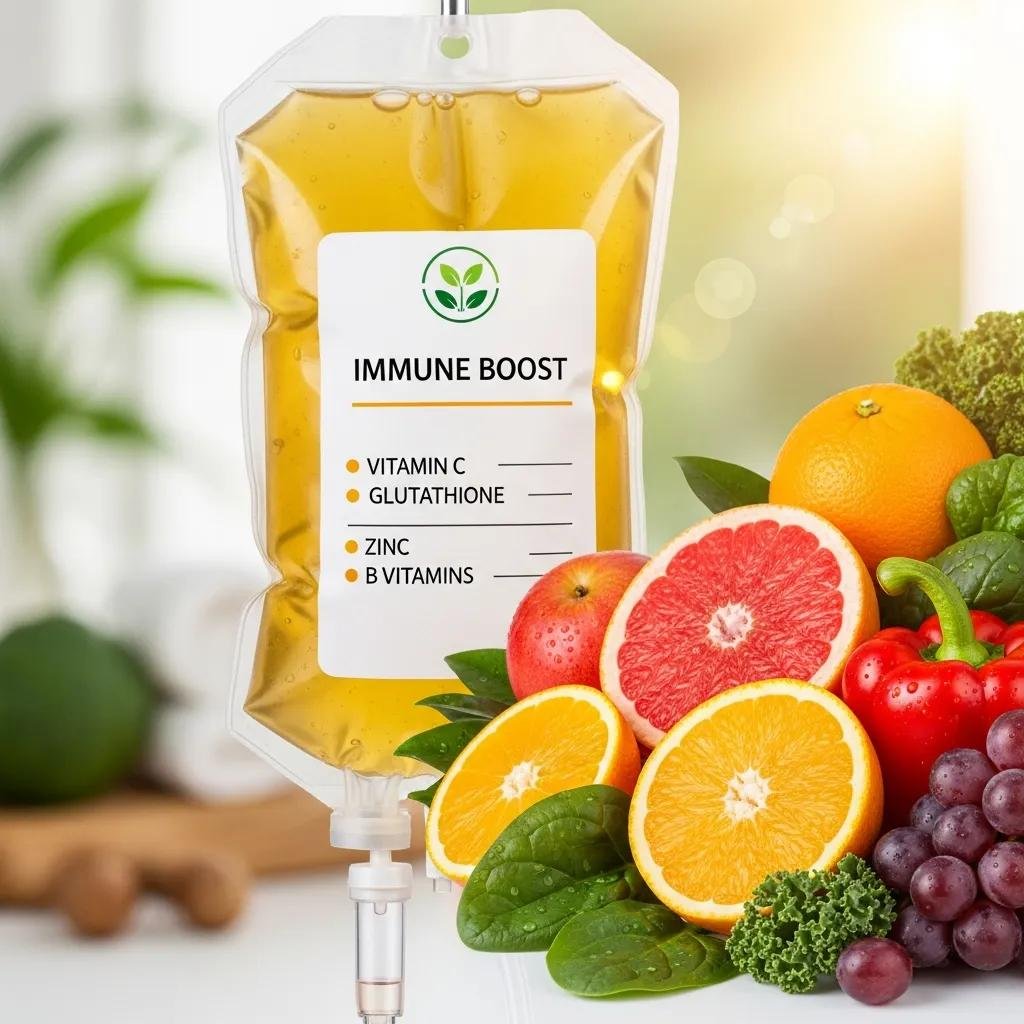
Immune‑focused IV protocols emphasize high‑dose vitamin C, glutathione, zinc and supportive electrolytes to deliver antioxidant protection and substrates for immune cells directly into circulation. Mechanistically, higher plasma vitamin C supports leukocyte function and antioxidant defenses while glutathione maintains intracellular redox balance—together these effects can speed symptomatic recovery and reduce oxidative stress during acute illness. Typical uses include recovery after infection, support during high‑exposure periods and adjunctive care for patients with recurrent infections, always under clinician supervision. Safety screening—particularly for renal function—and individualized dosing strategies minimize risk. These immune‑supportive approaches complement prevention and oral supplementation when faster or higher systemic levels are clinically warranted.
Who Can Benefit from IV Nutrient Therapy in Kensington, MD?
IV nutrient therapy can help several groups by correcting physiologic deficits, shortening recovery times or delivering targeted support that oral supplements may not achieve. Common beneficiaries include older adults with malabsorption or polypharmacy‑related deficiencies, patients with complex chronic illnesses requiring adjunctive nutrient repletion, athletes and active individuals seeking faster recovery, and busy professionals needing short‑term cognitive or energy support. Careful screening and individualized planning ensure safety, clarify goals and integrate IV therapy into broader care—such as bioidentical hormone therapy or regenerative treatments—when appropriate. The list below summarizes typical beneficiary profiles and why IV therapy may be useful for each.
These profiles reflect routine clinical decision‑making: when oral routes are inadequate or rapid repletion is desirable, IV therapy becomes a practical option within an integrative care strategy.
- Seniors with malabsorption: Reduced gastric acidity and multiple medications can blunt oral uptake, making IV repletion more effective.
- Chronic illness patients: Conditions like chronic fatigue or post‑infectious syndromes may need higher systemic nutrient levels for symptom relief.
- Athletes and frequent travelers: Rapid rehydration and targeted nutrients speed recovery and reduce downtime.
- Busy professionals: Short‑term IV support can help with acute fatigue or cognitive strain during high‑demand periods.
These patient profiles inform initial consultations and protocol selection, emphasizing partnership and regular reassessment.
How Does IV Therapy Help Seniors and Individuals with Chronic Conditions?
Older adults often have reduced gastric acidity, altered absorption and medication interactions that lower oral nutrient uptake, so IV therapy can be an efficient way to correct deficiencies and relieve symptoms. For chronic conditions—persistent fatigue, recurrent infections or malabsorption syndromes—intravenous delivery restores plasma nutrient levels more predictably and supports cellular repair pathways that oral supplements may not sufficiently activate. Safety screening for renal function, cardiac history and medication interactions is especially important in seniors and medically complex patients to guide dosing and monitoring. Follow‑up visits and periodic labs help assess response and determine maintenance frequency, allowing IV sessions to be integrated into ongoing care. This individualized approach reduces risk and improves the chances of meaningful clinical benefit.
Can Athletes and Busy Professionals Improve Energy and Recovery with IV Drips?
Athletes and high‑demand professionals benefit from IV protocols that focus on fast rehydration, electrolyte balance and replenishment of B vitamins and amino acids to accelerate recovery, reduce muscle soreness and restore cognitive clarity. Performance‑oriented formulations can shorten downtime after intense workouts or competitions and support training consistency when paired with proper nutrition and rest. For professionals facing heavy cognitive workloads, targeted IV blends can provide temporary support for alertness and focus while clinicians emphasize sustainable lifestyle and nutritional strategies for long‑term resilience. Frequency recommendations depend on goals, baseline status and recovery metrics; clinicians recommend integrating IV therapy into a complete performance or wellness plan rather than relying on it as a sole solution.
What Should Patients Expect During an IV Nutrient Therapy Session?
A typical visit begins with a focused medical history, consent and basic screening to confirm suitability; clinicians then place an IV catheter and administer a tailored infusion while monitoring vitals and comfort. Pre‑infusion screening checks hydration, medication interactions and relevant labs; informed consent outlines benefits, potential side effects and common sensations during the infusion. The treatment usually occurs in a comfortable setting with reclining chairs and staff trained to address discomfort; clinicians monitor the patient and adjust infusion rates as needed. After the infusion, a short observation period confirms stability and staff provide post‑care guidance on hydration, activity and follow‑up. Clear communication throughout the visit helps patients feel informed and supported; the next section covers timing and comfort expectations many patients ask about.
If you’re ready to move from interest to care, the clinic schedules consultations where Dr. Fred Bloem reviews your history, customizes protocols and outlines follow‑up so you understand logistics without feeling rushed.
How Long Does an IV Therapy Treatment Take and Is It Comfortable?
Most IV nutrient therapy sessions take 30–60 minutes from infusion start to finish, though total visit time including intake and observation can be 60–90 minutes depending on screening and customization. Longer sessions occur with higher fluid volumes, slower infusion rates for sensitive patients, or extra monitoring when multiple agents are combined; simple hydration drips are often shorter. Comfort measures—topical numbing, reclining chairs, warm blankets and gradual infusion rates—minimize discomfort while trained staff monitor for infusion‑related sensations and adjust technique as needed. Patients sometimes notice mild warmth or a distinct taste during vitamin C infusions but generally describe the experience as relaxing. Clear communication during the session ensures any concerns are addressed promptly and sets realistic expectations for first‑time and returning patients.
What Safety Measures and Personalized Protocols Does Dr. Fred Bloem Provide?
Dr. Fred Bloem and the clinical team prioritize safety through pre‑infusion screening, selective laboratory testing when indicated and evidence‑informed dosing tailored to medical history and current medications. Safety steps include checking renal function for high‑dose vitamin infusions, reviewing electrolyte status for hydration treatments and confirming allergies or prior infusion reactions to customize formulations. During infusion, clinicians monitor vital signs and tolerance, maintain emergency readiness for rare adverse events and arrange follow‑up to assess outcomes and refine maintenance plans. This clinician‑led framework ensures IV therapy is integrated responsibly into broader care, emphasizing informed consent, measurable goals and shared decision‑making. We encourage patients to bring questions to the consult so protocols reflect individual health needs and priorities.
How Much Does IV Nutrient Therapy Cost in Kensington, MD?
Cost depends on the cocktail, dosing and any required lab work or follow‑up, and clinics generally provide range‑based guidance during consultations rather than single fixed prices. Price drivers include infusion complexity (simple hydration versus multi‑nutrient blends), inclusion of higher‑cost agents like NAD precursors or high‑dose vitamin C, and whether extra services—pre‑infusion labs or extended monitoring—are needed. The table below gives estimated cost ranges and typical frequency notes to help patients budget for one‑time visits or maintenance plans based on common industry practices.
| Service/Package | Estimated Cost Range | Typical Frequency / Notes |
|---|---|---|
| Basic Hydration IV | $100–$200 | Single session for rehydration; as needed |
| Immune/Antioxidant IV | $150–$300 | Often used during illness or recovery; may be repeated |
| Myers’ Cocktail style IV | $150–$300 | Used for fatigue/migraine support; maintenance varies |
| NAD / Cellular Support IV | $250–$600+ | Higher-cost therapy; series often recommended |
What Is the Consultation Process for IV Therapy at Our Holistic Clinic?
Your initial consultation includes a focused clinical interview, medication and allergy review, and assessment of symptoms and treatment goals to determine IV suitability and an appropriate protocol. Clinicians may request baseline labs—such as renal function or electrolytes—when indicated to inform safe dosing, and they review contraindications and realistic benefits so you can give informed consent. Once a plan is agreed, scheduling aligns infusion logistics with your needs and follow‑up visits or maintenance schedules are discussed to monitor response and adjust treatment. The consultation emphasizes partnership, education and measurable objectives so IV therapy complements a broader integrative plan rather than standing alone. Bringing recent medical records and questions to the visit helps maximize efficiency and safety.
Are There Financing Options or Packages Available for Regular IV Treatments?
Many clinics offer package pricing or subscription models that lower per‑session costs for patients who need frequent treatments, and some provide payment plans to spread expense over time; exact options vary by provider. Packages often bundle multiple sessions at a discount to support consistent care for chronic needs or performance maintenance, while pay‑as‑you‑go suits occasional use. If you expect regular treatments, discuss frequency and budget during the consultation so staff can outline packages or financing arrangements and calculate the most cost‑effective plan. Because options differ by practice, our staff will share current package details and payment methods when you schedule.
What Do Patients Say About Their IV Nutrient Therapy Experience in Kensington?
Patients commonly report rapid symptom relief, clearer energy and faster recovery after appropriately selected IV sessions, and many appreciate clinician‑led personalization that aligns therapy with broader health goals. Short anonymized vignettes illustrate typical outcomes: someone with chronic fatigue who improved stamina after a tailored Myers’ Cocktail series, an athlete who shortened recovery with targeted hydration and amino‑acid support, and a patient who noted quicker symptom resolution after an immune‑focused IV during acute illness. These summaries underscore that outcomes depend on baseline health, concurrent therapies and follow‑up; they set realistic expectations rather than promising guarantees. Patients also praise the educational, partnership‑oriented approach clinicians take, which helps sustain engagement in care.
Which Patient Success Stories Highlight the Benefits of Myers' Cocktail and Immune Boost IVs?
Representative anonymized examples follow a problem → protocol → outcome → follow‑up pattern to illustrate realistic improvements: a middle‑aged patient with frequent migraines received individualized Myers’ Cocktail infusions and reported fewer headache days over three months while optimizing sleep and hydration; an office worker with recurrent colds used immune‑focused IVs during peak exposure and observed shorter symptom duration alongside lifestyle adjustments; an endurance athlete added targeted hydration and B‑vitamin support after events and noted reduced recovery time and steadier training. These vignettes show IV therapy as one component of a multifaceted plan, with clinicians tracking outcomes and adjusting protocols to sustain benefits. They also remind readers responses vary and follow‑up care matters.
How Does Dr. Bloem’s Holistic Approach Enhance Patient Outcomes?
Dr. Bloem’s integrative approach centers on identifying root causes, personalizing IV protocols and coordinating adjunctive therapies so treatments build resilience and improve quality of life rather than only relieving symptoms. The workflow—assessment → individualized IV plus adjunctive therapies (for example, bioidentical hormone support or regenerative options where appropriate) → outcome tracking—aligns care with each patient’s biology, goals and safety needs. Education and shared decision‑making help patients understand mechanisms, realistic timelines and self‑care strategies that reinforce in‑clinic work. This partnership model tends to improve adherence, optimize outcomes and create more durable benefits than one‑off interventions. We invite patients to discuss individualized options during a consultation to explore how IV therapy could fit into their comprehensive care plan.
Frequently Asked Questions
What are the potential side effects of IV nutrient therapy?
IV nutrient therapy is generally well tolerated, but some people may experience mild side effects such as discomfort at the needle site, a warm sensation during infusion, or brief changes in blood pressure. Rarely, allergic reactions can occur—particularly with higher‑dose infusions. It’s important to share your full medical history and any allergies with your clinician before treatment. Staff monitor patients throughout the session so any adverse effects can be addressed promptly; safety is always a top priority.
How often should one receive IV nutrient therapy?
Frequency varies with individual goals and health needs. For acute issues—such as recovery from illness—treatments may be given several times a week. For chronic support or maintenance, sessions might occur monthly or every other month. Athletes may choose more frequent sessions during training or competition periods. Your clinician will develop a personalized plan during the initial consultation based on your health status and desired outcomes.
Can IV nutrient therapy be combined with other treatments?
Yes. IV nutrient therapy is often part of a broader plan that includes oral supplements, dietary changes and lifestyle modifications. It can be integrated with bioidentical hormone therapy, physical therapy or regenerative medicine when appropriate. Coordination among healthcare providers helps align treatments, maximize benefits and minimize potential interactions or contraindications.
Is IV nutrient therapy suitable for everyone?
IV nutrient therapy is not appropriate for everyone. Certain medical conditions—such as advanced kidney disease or specific allergies—may make IV therapy inadvisable. A thorough medical screening at your initial consultation identifies contraindications and helps determine whether IV therapy fits your overall health plan. Be sure to provide a complete medical history to your clinician for safe, effective care.
What should I do to prepare for an IV nutrient therapy session?
Preparing usually means staying well hydrated before your appointment. Tell your clinician about any medications you take, allergies or recent health changes. Eating a light meal beforehand can reduce the chance of discomfort. Bringing a list of questions or concerns helps ensure the consultation covers everything you want to know.
How can I track the effectiveness of my IV nutrient therapy?
Effectiveness is tracked through regular follow‑up appointments where clinicians assess symptom changes, energy and overall well‑being. Keeping a short journal of symptoms and energy levels can be helpful, and periodic lab tests may monitor nutrient status and overall health. These data guide adjustments to the plan so treatments remain aligned with your goals.
Conclusion
IV nutrient therapy can deliver meaningful benefits—enhanced hydration, immune support and improved energy—when used as part of a thoughtful, personalized care plan. Understanding specific formulations and their intended effects helps you make informed decisions that align with your health priorities. If you’re curious how IV therapy might fit into your wellness journey, schedule a consultation with our team to discuss personalized options. Discover the potential of tailored IV treatments to support your recovery, resilience and everyday vitality.
