


IV Vitamin Drips Near Chevy Chase, MD: Your Practical Guide to Nutrient Infusions and Whole‑Person Wellness
Intravenous (IV) vitamin drips deliver concentrated nutrients straight into the bloodstream to support hydration, cellular energy, and targeted wellness goals. This guide walks you through how nutrient infusions work, the formulations commonly offered near Chevy Chase, MD, and how clinicians personalize protocols for fatigue, immune support, athletic recovery, and detoxification. Many patients choose IV therapy for faster, more predictable nutrient delivery than oral supplements can provide—IV therapy bypasses the digestive tract to improve bioavailability and speed clinical effects. Below you’ll find clear explanations of common ingredients, the current evidence, safety considerations, and practical steps to access services in the Chevy Chase–Kensington area. We also outline what to expect during a session and how IV treatments fit into a broader functional medicine plan. Keywords such as IV therapy Chevy Chase, nutrient infusions Chevy Chase, and Myers cocktail Chevy Chase appear naturally to help you find locally relevant options and understand the clinical rationale.
What Are IV Vitamin Drips and How Do They Work?
IV vitamin drips are medically supervised infusions that deliver fluids, electrolytes, vitamins, minerals, and antioxidants directly into a vein to produce relatively rapid physiologic effects. The basic principle is straightforward: by bypassing the gastrointestinal tract, IV delivery achieves near-complete bioavailability of administered compounds, allowing faster correction of deficiencies, prompt rehydration, and immediate availability of key substrates for cellular metabolism. Many patients notice symptom relief sooner than with oral supplements, which is why clinicians use IV therapy for acute needs such as dehydration, significant nutrient depletion, or impaired absorption. Clinical guidelines and recent studies underscore that careful patient selection and laboratory‑guided dosing improve both safety and outcomes, so consulting a qualified provider before starting therapy is essential.
Compared with oral supplementation, IV infusions offer predictable plasma concentrations and fully customizable formulations. The next section explains the pharmacokinetic advantages in plain language and when a rapid IV approach is clinically appropriate.
How Does Intravenous Nutrient Infusion Enhance Absorption and Benefits?
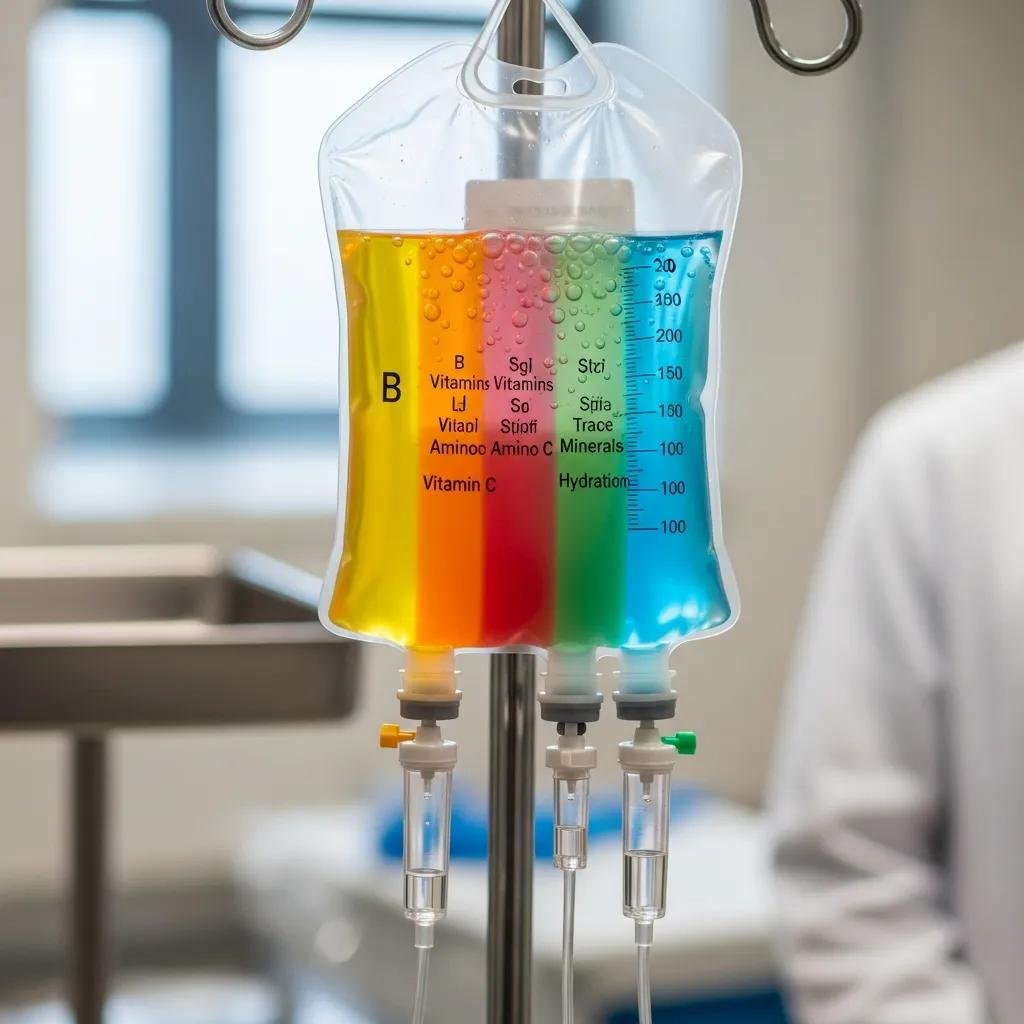
Intravenous nutrient infusion improves absorption by delivering nutrients directly into the bloodstream, avoiding first‑pass metabolism and digestive losses that limit oral bioavailability. This produces higher peak plasma levels for agents such as vitamin C and magnesium, which can translate into faster symptom relief and stronger biochemical effects in situations like acute oxidative stress or severe dehydration. For instance, IV vitamin C achieves plasma concentrations that oral dosing cannot match, providing antioxidant capacity useful in selected clinical contexts. Clinicians typically reserve IV routes for cases where speed, precision, or gastrointestinal limitations make oral dosing inadequate. Understanding these pharmacokinetic differences explains why some patients move from oral supplements to targeted IV protocols under medical supervision.
With absorption advantages in mind, the next section reviews the specific vitamins and minerals commonly used in IV therapy and how each supports therapeutic goals.
What Vitamins and Minerals Are Commonly Used in IV Therapy?
IV formulas usually combine antioxidants, electrolytes, metabolic cofactors, and amino acids; clinicians select components based on the patient’s needs and clinical goals. Typical ingredients include vitamin C (antioxidant), magnesium (muscle and nerve support), B‑complex vitamins including B12 and B6 (energy cofactors), zinc (immune support), glutathione (intracellular antioxidant/detox support), plus amino acids and electrolytes for rehydration. In practice: vitamin C helps reduce oxidative stress, magnesium supports neuromuscular recovery and migraine relief, B vitamins restore enzymatic pathways for ATP production, and glutathione assists hepatic phase II detoxification. Safety checks—such as screening for renal impairment, allergies, and medication interactions—are essential to prevent adverse events and to set appropriate dosing.
Combining ingredients lets clinicians tailor drips for specific objectives; the table below summarizes common components, their mechanisms, and typical clinical benefits.
Different IV ingredients contribute distinct therapeutic benefits through defined mechanisms.
| Ingredient | Mechanism | Common Clinical Benefit |
|---|---|---|
| Vitamin C | Potent antioxidant; supports immune cell function | Immune support and reduced oxidative stress |
| Magnesium | Cofactor for neuromuscular and cellular processes | Muscle relaxation, reduced cramps, migraine relief |
| B‑Complex (B12, B6) | Cofactors in energy-producing enzymatic pathways | Improved cellular energy and reduced fatigue |
| Zinc | Trace element for immune and repair enzymes | Supports immune response and wound healing |
| Glutathione | Intracellular antioxidant and phase II detoxifier | Supports detox pathways and lowers oxidative damage |
This table illustrates why providers mix ingredients based on goals and lab data, guiding safer and more effective infusion plans.
For patients seeking local care, the next note outlines how integrative practices typically approach IV therapy to build trust before we review available drip types.
In the Chevy Chase area, clinics that emphasize integrative and functional medicine commonly pair IV therapy with longer initial consultations and individualized protocols to ensure safe, goal‑directed care. A local provider offering holistic IV therapies will integrate lab results, clinical history, and symptom goals into the infusion plan to determine the right ingredients and frequency for each patient.
Which IV Vitamin Drips Are Available Near Chevy Chase, MD?
Local clinics offer several standardized IV drip categories, each targeting common needs like immune resilience, cellular energy, antioxidant support, or recovery. Typical options include Myers Cocktail‑style formulas (a balanced blend of magnesium, B vitamins, and vitamin C), NAD+ infusions aimed at cellular energy and longevity pathways, and high‑dose vitamin C protocols for antioxidant and immune support. Practices vary in concentration and customization, and clinicians assess underlying health to tailor electrolytes and dosing. Understanding these categories helps you choose a path that aligns with your goals and safety profile.
Providers near Chevy Chase and Kensington often offer customizable drips and integrate IV therapy into broader functional medicine services such as hormone balancing and regenerative treatments; when comparing clinics, confirm provider credentials and infusion protocols.
Below is a concise comparison table summarizing common drip types, their typical contents, and primary uses.
Common local IV drip categories can be compared by ingredients and typical clinical uses.
| Drip Type | Typical Ingredients | Primary Uses / Conditions |
|---|---|---|
| Myers Cocktail‑style | Magnesium, B‑complex, Vitamin C, electrolytes | Fatigue, migraines, general symptom support |
| NAD+ IV Therapy | NAD+ (nicotinamide adenine dinucleotide) with fluids | Cellular energy, cognitive support, anti‑aging adjunct |
| High‑Dose Vitamin C | Large‑dose ascorbic acid with IV fluids | Antioxidant therapy and immune modulation |
| Glutathione / Detox | Glutathione, vitamin C, selected amino acids | Detox support and reduction of oxidative stress |
| Athletic Recovery | Electrolytes, magnesium, amino acids | Rehydration and performance recovery |
This comparison helps match patient goals to a drip type and prepares you for how IV therapy is applied to specific conditions.
What Is the Myers Cocktail and Its Holistic Health Benefits?

The Myers Cocktail is a time‑tested multi‑nutrient IV formula that typically combines magnesium, B vitamins, vitamin C, and electrolytes to address low energy, frequent migraines, and general nutritional shortfalls. It replenishes cofactors needed for energy metabolism while adding antioxidant support to reduce inflammation and improve cellular function. Patients often report better hydration, fewer headaches, and improved resilience after a short series of sessions. Evidence ranges from clinical case series to emerging controlled studies suggesting benefit for specific conditions like migraines and chronic fatigue; clinicians stress individualized dosing guided by labs to optimize safety and results.
If you’re considering a Myers‑style infusion, discuss your symptom history and prior oral tolerance with your clinician so the formula can be adjusted for safety and effectiveness—customization usually improves outcomes and reduces side effects.
How Does NAD+ IV Therapy Support Anti‑Aging and Energy?
NAD+ IV therapy supplies nicotinamide adenine dinucleotide to support cellular metabolism, mitochondrial function, and DNA repair pathways associated with aging and resilience. NAD+ plays a central role in redox reactions and sirtuin signaling—processes tied to energy production and cellular maintenance—so raising systemic NAD+ transiently may help with cognition and fatigue for some patients. The evidence base is still evolving: observational reports and small trials show subjective improvements for some individuals, while large randomized trials remain limited. Clinicians set realistic expectations and use NAD+ as one part of a broader anti‑aging or energy optimization plan that also addresses lifestyle, sleep, and hormonal balance.
Because responses vary, providers monitor outcomes and labs to decide whether NAD+ infusions are appropriate and to adjust the treatment over time.
How Can IV Vitamin Drips Address Specific Health Conditions?
IV vitamin drips can be tailored to address distinct clinical or quality‑of‑life concerns by selecting components that target underlying physiologic needs. For chronic fatigue and immune weakness, clinicians emphasize mitochondrial cofactors and antioxidants to reduce oxidative stress. For athletic recovery, the focus shifts to rapid rehydration, balanced electrolytes, and amino acids to support muscle repair. Detox protocols often center on glutathione and supportive nutrients to assist hepatic phase II pathways. Mapping conditions to components clarifies expected outcomes and evidence strength so patients can make informed choices and understand how IV therapy complements nutrition, sleep, and functional testing.
The table below links common conditions to suggested IV components and realistic outcomes to help plan treatment trajectories with your clinician.
Mapping conditions to IV components helps set expectations and guide protocols.
| Condition | Suggested IV Components | Expected Outcome / Evidence Level |
|---|---|---|
| Chronic fatigue | B‑complex, magnesium, vitamin C, amino acids | Improved energy within weeks in many patients; moderate evidence |
| Immune support / acute illness | Vitamin C, zinc, electrolytes | Symptom relief and shorter recovery reported in some studies; limited evidence |
| Athletic recovery | Electrolytes, magnesium, amino acids | Faster rehydration and reduced cramping; practical benefit for recovery |
| Detoxification | Glutathione, vitamin C, NAC adjuncts | Support for oxidative stress reduction; evidence is emerging |
This mapping demonstrates how IV components are chosen to target physiologic processes and highlights the importance of integrating infusions into a comprehensive care plan.
The way these mappings are applied will vary by condition; the sections that follow describe chronic fatigue/immune care and athletic recovery protocols in more detail.
Can IV Therapy Help with Chronic Fatigue and Immune Support?
For selected patients, IV therapy can reduce symptoms of chronic fatigue or immune dysfunction by delivering highly bioavailable cofactors and antioxidants that address metabolic bottlenecks and oxidative stress. Common components include B‑complex vitamins to support mitochondrial enzymes, magnesium for neuromuscular health, and vitamin C plus zinc for immune modulation. Many patients notice improvement after several sessions, but lasting benefit usually requires addressing sleep, nutrition, hormonal balance, and any lab‑identified deficiencies—IV therapy is typically one element in a multifaceted plan. Clinicians recommend baseline labs and periodic reassessment to tailor frequency and formula, keeping treatments aligned with measurable goals.
When IV therapy is combined with targeted diagnostics and lifestyle changes, patients are more likely to achieve durable improvements; the next subsection covers athlete and detox protocols.
What IV Drips Aid Athletic Recovery and Detoxification?
Athletic recovery formulas focus on rapid rehydration, electrolyte balance, and amino acids to speed muscle repair and restore performance readiness. Key components include magnesium, balanced electrolytes, and branched‑chain amino acids to support recovery pathways. Detox‑oriented infusions emphasize glutathione—a principal intracellular antioxidant and phase II conjugator—often paired with vitamin C to recycle antioxidant capacity. Timing matters: athletes should schedule infusions around training and competition to optimize the recovery window and pair infusions with nutrition and rest strategies.
Careful scheduling and monitoring reduce risk and improve outcomes; clinicians often recommend a series of post‑event sessions rather than a single treatment for best results.
What Makes Dr. Fred Bloem’s Holistic IV Therapy Unique in Chevy Chase?
Dr. Fred Bloem’s practice applies a functional medicine framework to IV therapy, personalizing care through extended consultations, integrative assessment, and coordination with complementary services such as bioidentical hormone therapy and regenerative joint treatments. This patient‑centered model emphasizes laboratory‑guided protocols and individualized goal setting rather than off‑the‑shelf menus, supporting safer, outcome‑oriented infusion plans. IV therapy sits within a broader wellness strategy—nutrient infusions are combined with diagnostic evaluation to identify underlying drivers of fatigue, immune imbalance, or performance limitations. Patients can expect a consultative visit that informs a bespoke formulation and follow‑up plan.
Personalization means assessment data guide ingredient selection and dosing; the following paragraphs explain how functional medicine sharpens treatment precision and what to expect during a typical session.
How Does Personalized Functional Medicine Enhance IV Treatments?
Personalized functional medicine improves IV therapy by using medical history, targeted laboratory testing, and symptom mapping to uncover biochemical imbalances before prescribing an infusion. This assessment‑driven approach lets clinicians adjust components—such as increasing magnesium for migraine‑prone patients or prioritizing glutathione when detox capacity is low—so each infusion targets measurable needs. Outcome tracking and periodic lab reassessment enable stepwise adjustments and reduce unnecessary or excessive dosing. Safety screening, including renal function checks and medication interaction reviews, is integral to personalization and lowers adverse event risk while improving therapeutic response.
By aligning infusion composition with objective data, practitioners support sustained improvement and coordinate IV therapy with other interventions like hormone balancing and regenerative care.
What Should Patients Expect During an IV Therapy Session?
A standard IV therapy visit begins with check‑in, a review of medical history, confirmation of informed consent, and a brief physical assessment to confirm suitability. A licensed clinician places an IV, administers the chosen formulation while monitoring vital signs and comfort, and provides post‑infusion guidance on hydration and symptom tracking. Sessions typically last 30 to 90 minutes depending on volume and flow rate; clinicians remain available immediately after the infusion to address any reactions. Report symptoms such as lightheadedness, significant shortness of breath, or chest pain promptly, and follow recommended follow‑up and lab monitoring schedules.
Knowing what to expect helps reduce anxiety and prepares you for a safe, efficient visit; next we explain how to access local services.
How to Access IV Vitamin Drip Services Near Chevy Chase, MD?
Accessing IV services in the Chevy Chase and Kensington area usually starts with an initial consultation to review your health history, symptoms, and any recent labs, followed by scheduling an infusion once a personalized plan is agreed upon. In‑clinic visits provide full monitoring and emergency resources, while some providers offer mobile services for convenience—consider the tradeoffs between on‑site safety and at‑home comfort. When preparing for your visit, bring a list of current medications, recent lab work if available, and clear symptom goals to help the clinician tailor the infusion. Financial and insurance arrangements vary by provider and are discussed during booking; many clinics require a consult before a first infusion to ensure safety.
If you prefer to contact a local provider directly, practice listings and clinic profiles typically include location and contact details—calling ahead starts the pre‑visit screening and scheduling process.
Are Mobile IV Drips Available for Convenience and Comfort?
Mobile IV services bring infusion therapy to a home or event and can suit patients who need acute rehydration, post‑travel recovery, or prefer convenience. Mobile delivery does require rigorous safety protocols and qualified staff. Pros include comfort and reduced travel; cons include fewer on‑site emergency resources compared with a clinic. If you consider mobile care, verify provider credentials, emergency protocols, and that pre‑screening labs or a medical consultation have been completed to confirm appropriateness. For complex medical histories or higher‑risk infusions, an in‑clinic environment with full monitoring is generally safer.
If you choose mobile care, confirm clear follow‑up plans and clinician availability for post‑infusion questions to maintain continuity of care.
What Are the Steps to Schedule a Consultation with Dr. Bloem?
To schedule a consultation, contact the practice by phone or through its public listing, provide basic contact and health information, and request an initial functional medicine visit focused on goals and laboratory assessment. During booking, be ready to share current medications, recent labs, and a concise history of symptoms or prior infusion experiences so the clinician can triage needs and recommend appropriate testing. The first consult includes medical review, goal setting, and a discussion of potential IV protocols with safety screening; the clinician will outline follow‑up testing and infusion scheduling if appropriate. The practice is located in Kensington, MD, and offers integrated services that pair IV therapy with other functional and regenerative treatments for comprehensive care.
Having documentation and clear symptom goals ready before your consult streamlines the process and supports a productive, personalized plan.
A numbered list below details the practical items to have ready when scheduling.
When preparing to book, have these items ready:
- Recent laboratory results and a current medication list.
- A concise history of your current symptoms and prior treatments.
- Preferred days/times for appointments and any mobility or access needs.
These steps reduce scheduling friction and help clinicians prioritize safety and individualized care during your first visit.
What Are Common Questions About IV Vitamin Drips?
Patients often ask about safety, side effects, frequency, and cost. Clear, medically grounded answers set realistic expectations: IV therapy is generally well tolerated when administered by trained clinicians who perform appropriate screening, but minor reactions like bruising or lightheadedness can occur; serious complications are rare. Frequency depends on your goals—acute relief may require a short series, while maintenance plans are spaced further apart—and clinicians use labs and outcomes to set intervals. Discuss financial considerations and alternatives during your consult so you can choose an evidence‑aligned plan that fits your needs.
What Are the Safety Considerations and Possible Side Effects?
Safety screening before IV therapy should include assessment of kidney function, electrolytes, medication interactions, allergy history, and any cardiac or thrombotic risks to minimize adverse events. Minor side effects include localized bruising, transient lightheadedness, or mild nausea; these are usually self‑limited and managed during the visit. Serious but rare risks—such as infection, severe allergic reaction, or fluid overload—are mitigated by sterile technique, dosing based on body size and labs, and medical oversight. Inform your clinician if you are pregnant, have chronic illnesses, or are taking medications so the infusion plan can be adjusted safely.
A structured pre‑infusion checklist helps providers identify contraindications and ensures safer, more effective treatments.
Below is a brief checklist clinicians use during screening and monitoring.
Providers screen and monitor for these factors:
- Kidney function and electrolyte abnormalities that affect dosing safety.
- Allergies and medication interactions that could cause adverse reactions.
- Signs of circulatory overload or infection risk that favor clinic‑based infusion over mobile delivery.
These checks reduce risk and enable clinicians to select safe, individualized infusion protocols.
How Often Should One Receive IV Vitamin Therapy for Optimal Results?
Recommended frequency varies by therapeutic objective: for acute issues, a short series over one to two weeks may be appropriate; for chronic maintenance, monthly or lab‑guided intervals are common. Outcome tracking and periodic lab reassessment guide whether to escalate, maintain, or taper infusion frequency. For example, athletes may schedule post‑event recovery sessions as needed, while patients addressing chronic fatigue often begin with a defined initial series followed by reassessment. Provider‑supervised plans that incorporate lifestyle, nutrition, and lab data deliver safer, more sustainable results than unsupervised frequent infusions.
Individualization and objective monitoring help ensure frequency optimizes benefit while minimizing unnecessary exposure.
This article has outlined mechanisms, common formulations, condition‑specific mappings, safety considerations, and steps to access IV vitamin drips in the Chevy Chase and Kensington area—arming you to have an informed conversation with a qualified provider.
Frequently Asked Questions
What should I consider before starting IV vitamin therapy?
Before starting IV vitamin therapy, consult a qualified healthcare provider to review your medical history, current medications, and any chronic conditions. Important safety checks include kidney function tests and allergy screening. Be clear about your health goals and symptoms so the infusion can be tailored appropriately. Understanding the potential benefits and limitations of IV therapy helps set realistic expectations.
How long does an IV therapy session typically last?
Session length varies with the formulation and fluid volume but generally runs between 30 and 90 minutes. A healthcare professional will monitor your comfort and vital signs throughout. Arrive hydrated and follow any pre‑session instructions from your clinician to ensure a smooth visit.
Are there any specific dietary recommendations before or after IV therapy?
Staying well hydrated before an infusion is helpful. After the treatment, a balanced diet rich in vitamins and minerals supports the therapy’s effects. Your clinician can provide specific dietary advice tailored to your goals and the infusion you receive.
Can IV therapy be used alongside other treatments?
Yes—IV therapy is often integrated with dietary changes, lifestyle interventions, and conventional medical care. A coordinated, holistic approach can enhance outcomes. Always inform your clinician about all treatments you are receiving to avoid interactions and to ensure a cohesive care plan.
What are the costs associated with IV vitamin drips?
Costs vary by clinic, formulation, and whether additional services are provided. Many practices charge for an initial consultation. Discuss pricing, package options, and whether insurance may cover aspects of care during your first visit so you understand the financial commitment.
How can I find a qualified provider for IV therapy in my area?
Start by researching local integrative and functional medicine clinics and look for clinicians with appropriate credentials and experience in IV administration. Read patient reviews and consider scheduling a consultation to discuss your goals and evaluate the provider’s approach to personalized care.
Conclusion
IV vitamin drips can be a useful tool for improving hydration, energy, and overall wellness when used thoughtfully and under medical supervision. By understanding formulations, expected benefits, and safety considerations, you can make informed choices that align with your health goals. A consultation with a qualified provider ensures a personalized plan that maximizes safety and effectiveness. If you’re ready to explore IV therapy locally, reach out to a trusted clinic in the Chevy Chase–Kensington area to begin the conversation.
