

How to Build a Sleep Sanctuary for Better Rest and Whole‑Body Recovery
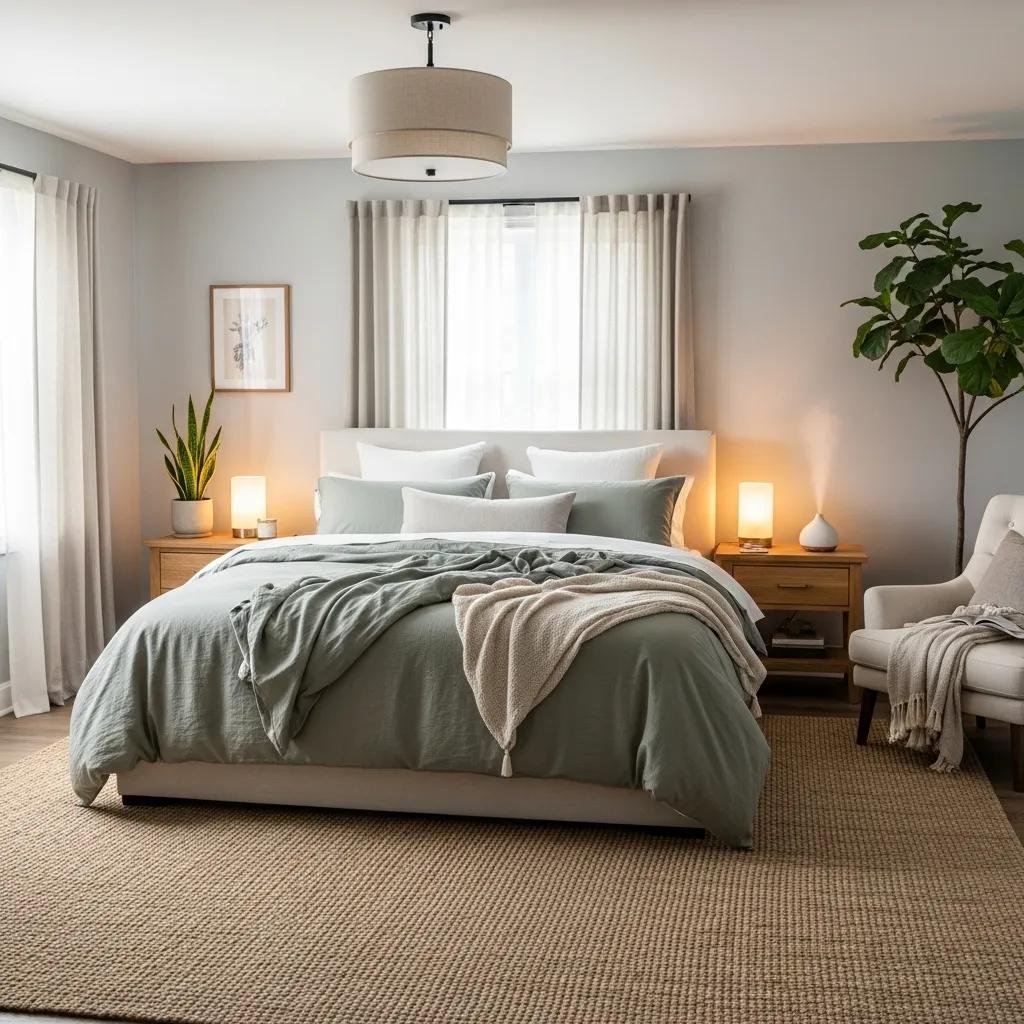
A sleep sanctuary is a bedroom intentionally set up to support deep, restorative sleep and healthy circadian rhythms. Small design choices — from mattress and bedding to light and sound — directly affect hormonal balance, immune function, mood, and cellular repair. This guide walks you through the core elements of bedroom design, sensory tweaks, decluttering and digital‑detox habits, how hormone balance and functional medicine intersect with sleep, and how to build a bedtime ritual that fits your life. You’ll find practical checklists, clear product comparisons, sensory implementation tips, and guidance on when to seek clinical support. The focus is on evidence‑informed, immediately actionable steps plus a clinical perspective for persistent sleep problems.
What Are the Foundational Elements of a Restful Bedroom Design?
A restful bedroom brings together a supportive sleep surface, breathable bedding, stable temperature and clean air, thoughtful lighting, and noise control. These elements lower physiological arousal, help your core temperature fall at night (which aids melatonin release), and reduce the micro‑awakenings that fragment deep and REM sleep. Below are the essentials to prioritize and the reason each matters for restorative rest.
The five foundational elements of a restful bedroom are:
- Mattress: Pick support and pressure relief that keep your spine neutral and reduce pain‑related awakenings.
- Bedding: Choose breathable, moisture‑wicking fabrics to regulate the microclimate around your body.
- Temperature: Keep the room cool enough to support the natural nightly drop in core body temperature.
- Air quality: Lower allergens and VOCs to cut down airway irritation and nighttime arousals.
- Lighting: Use dim, warm light in the evening and blackout solutions at night to protect circadian timing.
Use this prioritized checklist when planning purchases or room changes. The comparison below clarifies mattress and bedding trade‑offs so you can match choices to your sleep profile.
| Product Type | Support / Firmness | Temperature Regulation | Best For |
|---|---|---|---|
| Memory foam mattress | Medium contouring; pressure relief | Variable; some retain heat unless gel or open‑cell | Side sleepers, pressure‑sensitive bodies |
| Latex mattress | Responsive support; durable | Naturally breathable; good heat dispersion | Combination sleepers, allergy‑friendly options |
| Innerspring/coil mattress | Stable support; edge support | Good air flow; cooler than dense foams | Back/stomach sleepers, those who prefer bounce |
| Organic cotton bedding | Soft, breathable, hypoallergenic | Excellent moisture wicking | Sensitive skin, warm sleepers |
| Temperature-regulating blends | Engineered for cooling | Phase‑change materials or bamboo blends | Hot sleepers, menopausal night sweats |
No single option fits everyone — match materials and support to your sleep position, sensitivity, and thermal needs. With those trade‑offs in mind, the next section explains how mattress and bedding choices affect sleep quality.
How Do Mattress and Bedding Choices Impact Sleep Quality?
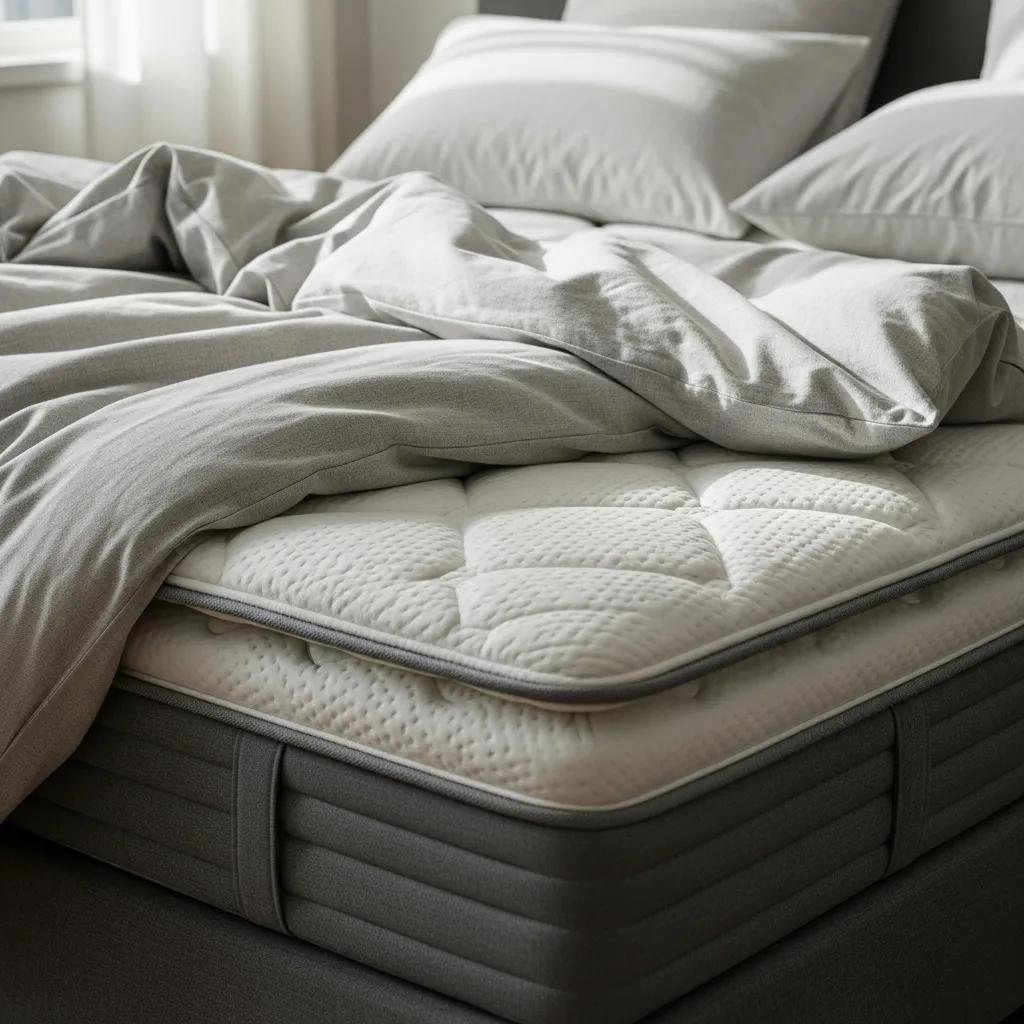
Your mattress and bedding influence spinal alignment, pressure distribution, and thermal comfort — key drivers of uninterrupted sleep. A mattress that supports your primary sleeping position helps avoid pain‑triggered awakenings: firmer cores suit back and stomach sleepers, while softer, pressure‑relieving surfaces often work better for side sleepers. Bedding fibers change the sleep microclimate: cotton and bamboo breathe well, while performance fabrics and phase‑change materials help dissipate heat for hot sleepers. If you’re allergy‑prone, choose hypoallergenic, washable covers and low‑VOC materials to reduce nighttime airway irritation. The right mattress‑and‑bedding combination lowers sleep fragmentation and supports longer slow‑wave and REM cycles.
What Is the Ideal Temperature and Air Quality for Optimal Sleep Environment?
Most adults sleep best in a bedroom around 60–67°F (15.5–19.5°C), a range that supports the natural drop in core body temperature and melatonin signaling; individual comfort varies. Air quality matters because allergens, fine particles, and VOCs can cause coughing, congestion, or micro‑arousals that fragment sleep. Practical steps include using HEPA or targeted air purifiers, managing humidity with humidifiers or dehumidifiers, ventilating briefly during the day, and avoiding strong fragrances or new furniture that may off‑gas. Track changes with a sleep diary or wearable metrics to see whether adjusting temperature or air quality reduces wakefulness and improves how you feel each morning.
How Can Sensory Optimization Enhance Your Sleep Sanctuary?

Sensory optimization coordinates light, sound, scent, and color to lower sympathetic activation and strengthen sleep signals. Thoughtful sensory design shifts melatonin timing, raises the arousal threshold, and supports relaxation — which together speed sleep onset and deepen restorative stages. The tips below focus on simple, practical interventions for lighting, soundscapes, and aromatherapy.
- Use dim, warm lighting in the 2–3 hours before bed to support melatonin and avoid evening circadian delay.
- Get bright morning light to anchor your circadian rhythm and improve nighttime consolidation.
- Mask disruptive noise with white, pink, or natural soundscapes, or add passive soundproofing to reduce awakenings.
- Use essential oil diffusers sparingly — lavender or chamomile at low output — and avoid diffusion near pets or people with respiratory issues.
When combined, these sensory strategies reduce physiological arousal; light and sound control often produce measurable improvements in sleep onset, and careful aromatherapy can add a calming layer. The table below summarizes practical recommendations for each sensory channel.
| Sensory Modality | Characteristic | Recommended Option / Value |
|---|---|---|
| Lighting | Color temperature | 2700K warm, dimmable bulbs in evening |
| Lighting | Daytime exposure | Bright natural light in morning; blackout at night |
| Sound | Masking type | Pink or brown noise for low‑frequency masking |
| Sound | Volume guideline | Keep continuous masking <45 dB for undisturbed sleep |
| Scent | Essential oils | Lavender or chamomile via low‑output diffuser; avoid near asthma |
| Scent | Safety note | Diffuse with ventilation and stop if irritation occurs |
These targeted choices reduce arousal and help preserve deeper sleep. With lighting and sounddesk tuned, many people notice quicker sleep onset and fewer night wakings.
How Does Lighting Influence Circadian Rhythm and Sleep?
Light guides the circadian clock by sending retinal signals to the brain’s master pacemaker, which times melatonin production and sleep‑wake cycles. Blue‑rich evening light suppresses melatonin and delays sleep, while bright daytime light strengthens circadian amplitude and supports alertness by day and consolidated sleep by night. Practical steps: limit screens before bed, use warm, dimmable bedside bulbs, and add blackout curtains to block streetlight. These changes sharpen the biological signal for sleep and reduce circadian misalignment that fragments restorative stages.
What Soundscapes and Aromatherapy Promote Deep Rest?
Soundscapes mask unpredictable noises and build a steady auditory background that reduces startle responses and micro‑arousals. Safe options include white, pink, or brown noise and nature recordings at steady, moderate volumes to cover intermittent traffic or neighborhood sounds. Aromatherapy evidence points most consistently to lavender and chamomile for lowering sleep latency and improving subjective relaxation; use low diffusion settings and monitor for irritation or pet safety. When used alongside consistent masking and environmental controls, these approaches can support deeper, less fragmented sleep.
Why Is Decluttering and Digital Detox Essential for a Calming Bedroom?
Decluttering and a digital detox reduce cognitive load and evening arousal, cutting bedtime rumination and melatonin suppression from screens. A visually calm space lowers sympathetic activation and intrusive thoughts, making it easier to fall asleep. Likewise, limiting evening screen time prevents blue‑light exposure that delays melatonin and increases sleep latency. The short checklist below shows practical steps to declutter and set device boundaries that help you maintain a restful bedroom.
- Remove non‑sleep items from sight and store them outside the bedroom to reduce visual stimuli.
- Adopt a 10‑minute nightly reset to clear surfaces and set the room up for sleep.
- Use closed storage and keep the bedside surface minimal to lower decision fatigue.
These habits reduce cognitive arousal and make your bedroom a reliable cue for rest. The following digital detox plan protects melatonin and strengthens bedtime routines.
How Does Decluttering Reduce Stress and Improve Sleep?
Decluttering reduces stress by removing visual and cognitive triggers that keep the brain in “task mode,” which lowers nighttime rumination and pre‑sleep arousal. Storing personal items and doing a brief nightly tidy create environmental cues that the space is for rest. Behavioral rules — like reserving the bedroom for sleep and intimacy — reinforce stimulus control and shorten sleep‑onset latency. Small, daily organization habits cut cognitive load that often prolongs falling asleep and fragmenting the night.
What Are Effective Digital Detox Strategies for Better Sleep?
An effective digital detox limits evening screen exposure and replaces high‑arousal activities with calming rituals that support melatonin production. A device curfew 60–90 minutes before planned bedtime (charging devices outside the bedroom) is the core strategy. Swap screens for low‑tech routines like paper reading, journaling, gentle stretching, or breathing exercises. Tools such as blue‑light filters, bedtime timers, and “do not disturb” modes can help until the habit takes hold and sleep starts to improve.
How Does Hormone Balance and Functional Medicine Support Sleep Quality?
Hormone balance and functional medicine focus on underlying physiological drivers — disrupted melatonin rhythms, elevated evening cortisol, sex‑hormone imbalances, nutrient shortfalls, or chronic inflammation — that fragment sleep architecture. Functional care uses targeted testing, lifestyle and dietary changes, and individualized therapies to restore hormonal rhythms and reduce night‑time arousal. The table below summarizes common functional therapies, their target mechanisms, and the sleep‑related benefits to help you decide when a clinical evaluation may be appropriate.
| Therapy | Target Mechanism | Clinical Benefit |
|---|---|---|
| Melatonin regulation & sleep hygiene | Circadian entrainment | Improved sleep onset and timing |
| Stress reduction & cortisol modulation | HPA axis balancing | Reduced night‑time awakenings |
| Nutritional support (magnesium, B vitamins) | Neurotransmitter cofactor restoration | Improved sleep continuity |
| Bioidentical Hormone Replacement Therapy (BHRT) | Restores sex hormone balance | May reduce menopause‑related insomnia |
| Detoxification & anti-inflammatory protocols | Reduce systemic inflammation | Lower nocturnal arousal and fatigue |
Functional assessment is most valuable when sleep problems persist despite environmental fixes, or when you have symptoms suggesting endocrine or inflammatory contributors. In those cases, a clinician can prioritize tests and create a personalized plan that complements your sanctuary adjustments.
What Role Does Bioidentical Hormone Replacement Therapy Play in Sleep?
Bioidentical Hormone Replacement Therapy (BHRT) can help when sex‑hormone imbalances disrupt thermoregulation, mood, and sleep continuity — common contributors to insomnia during menopause and other hormonal shifts. Estrogen can support deeper sleep and reduce hot flashes; progesterone has calming, sedative‑like effects for some people. BHRT should be considered after careful assessment of risks and goals and always paired with sleep environment improvements, lifestyle changes, and regular monitoring to ensure safety and benefit.
How Can Functional Medicine Address Root Causes of Sleep Disorders?
Functional medicine seeks root causes through detailed history, targeted labs, and personalized interventions — from nutrient repletion to inflammation control, infection management, and hormone rebalancing. The diagnostic approach includes screening for sleep apnea and restless legs when indicated, and assessing thyroid, adrenal, and sex‑hormone function plus nutrient status. Treatments address specific contributors (for example, repleting magnesium, treating chronic infection, or stabilizing blood sugar) and track outcomes with sleep diaries and follow‑up testing. Combining this root‑cause work with environmental changes produces more durable improvements in sleep architecture.
How Can You Craft a Personalized Bedtime Ritual for Optimal Rest?
A bedtime ritual signals your body to downshift: consistent timing, low‑arousal activities, and sensory cues reinforce circadian timing and improve sleep continuity. Rituals can include a warm shower or bath, gentle stretching, journaling to clear your mind, and dim lighting. The key is a predictable sequence and timing that fit your life. Below are reproducible templates and a short checklist to adapt for needs like chronic pain, anxiety, or shift work. Consistency makes these behaviors stick and enhances the benefits of an optimized bedroom.
A simple five-step bedtime routine template to adapt:
- Two hours before bed: finish stimulating tasks and begin wind‑down with warm lighting.
- Sixty minutes before bed: low‑intensity activity (reading, light stretching, shower).
- Thirty minutes before bed: relaxation practice (diaphragmatic breathing, progressive relaxation).
- Ten minutes before bed: brief journaling or planning to offload worries.
- Bedtime: go to bed at a consistent time in a dark, cool room.
What Steps Create a Consistent and Relaxing Sleep Routine?
Consistency comes from scheduling, environment prep, and easy‑to‑do calming activities you can repeat nightly. Pick a target bedtime and map backward to set transition moments (device curfew, light change, meal timing) and follow them as often as possible, including weekends. Use low‑effort relaxation techniques — guided imagery, diaphragmatic breathing, or light stretching — to reliably reduce arousal. Track how you feel and adjust incrementally to keep the routine sustainable and effective.
How Do Personalized Rituals Enhance Sleep and Overall Wellness?
Personalized rituals boost sleep by creating dependable behavioral cues that entrain circadian signals and lower cognitive arousal, improving both how quickly you fall asleep and how well you stay asleep. When rituals account for chronic pain, hormonal shifts, or shift‑work schedules, they’re easier to maintain and pair well with clinical therapies like nutritional or hormonal support. Over time, consistent rituals help stabilize daytime energy, lift mood, and support recovery from chronic illness by maximizing restorative sleep stages.
How Does an Optimized Sleep Sanctuary Contribute to Anti-Aging and Chronic Illness Management?
A well‑tuned sleep sanctuary supports anti‑aging and recovery by protecting slow‑wave sleep, improving glymphatic clearance, and preserving nocturnal hormone rhythms that drive cellular repair and immune balance. Deep sleep supports protein synthesis, growth‑hormone release, and metabolic restoration — all key to tissue repair and healthy aging. For people with chronic conditions, reducing nighttime fragmentation can lower symptom burden and improve daytime function, making environmental interventions an important complement to clinical care. The brief table below links sleep‑related repair processes to practical steps you can take.
| Repair Process | Mechanism During Sleep | Practical Steps to Support |
|---|---|---|
| Glymphatic clearance | Increased interstitial fluid flow during deep sleep | Prioritize regular deep sleep via environment and timing |
| Growth hormone release | Peaks in slow‑wave sleep aiding tissue repair | Support slow‑wave sleep with cool temperature and low arousal |
| Immune modulation | Cytokine regulation and memory formation | Reduce sleep fragmentation; address inflammation clinically |
| Cellular repair & protein synthesis | Nighttime anabolic processes | Ensure adequate sleep duration and hormone balance |
These mechanisms explain why improving sleep environment and addressing hormonal or inflammatory drivers strengthens healing and anti‑aging goals. Combining functional medical assessment with sanctuary design creates the most reliable path to lasting improvement.
What Is the Connection Between Restorative Sleep and Cellular Repair?
Restorative sleep supports cellular repair through synchronized hormonal pulses — notably growth‑hormone release during slow‑wave sleep — and improved clearance of metabolic waste via glymphatic flow. Fragmented sleep shortens these phases, reducing repair efficiency and contributing to accelerated biological aging and slower recovery. Environmental factors such as consistent timing, cool bedroom temperature, and low nocturnal arousal help preserve slow‑wave duration. Addressing hormone balance and inflammation further enhances these regenerative processes.
How Does Sleep Environment Support Recovery from Chronic Conditions?
Adjusting the sleep environment reduces triggers for symptoms like pain‑related awakenings, orthostatic stress from poor positioning, or sensory overload that worsen chronic conditions. For people with complex illness, tailor mattress support, use positional aids, lower sensory inputs, and coordinate sleep timing with treatments to improve outcomes. Paired with targeted clinical interventions — nutritional, detoxifying, or regenerative therapies — an optimized sanctuary reduces symptom burden and supports rehabilitation. If environmental changes alone aren’t enough, coordinated clinical evaluation can identify physiological contributors that block sleep‑dependent healing.
To explore personalized clinical assessment or advanced therapies that integrate with environmental strategies, consider a consultation with clinicians experienced in integrative care. Practitioners focusing on hormone balance, anti‑aging, and targeted therapies for complex illness can help you build an individualized, evidence‑informed plan that aligns with your sleep sanctuary and broader wellness goals.
Frequently Asked Questions
What are the benefits of creating a sleep sanctuary?
A sleep sanctuary improves sleep quality, mood, and overall health by minimizing distractions and supporting relaxation. Better sleep supports hormone balance, immune function, and cognitive performance, and it reduces stress and anxiety. A calm, intentional bedroom makes it easier to unwind and sustain restorative rest.
How can I assess my current sleep environment?
Start by checking key elements: mattress comfort, bedding breathability, room temperature, air quality, light exposure, and noise. Keep a sleep diary to log sleep times and disturbances. Note allergens, clutter, and screen use before bed. Identifying specific weak points helps you make targeted, effective changes.
What role does nutrition play in sleep quality?
Nutrition affects hormones, energy balance, and neurotransmitter function. A diet rich in magnesium and B vitamins supports relaxation and sleep continuity; tryptophan‑containing foods can support melatonin synthesis. Avoid late caffeine, excess sugar, and heavy meals near bedtime. Overall dietary patterns influence how well you sleep and recover.
How can I create a calming atmosphere in my bedroom?
Focus on sensory elements: use soft, warm lighting at night, blackout curtains to block light, and soothing colors like muted blues or greens. Add sound‑masking if needed and consider low‑output lavender diffusion for relaxation, taking care with pets and respiratory sensitivities. Keep decor minimal to reduce visual clutter.
What are some common mistakes to avoid when designing a sleep sanctuary?
Common missteps include ignoring mattress and bedding quality, letting light and noise in, and keeping the room cluttered. The wrong mattress causes discomfort; screens late at night suppress melatonin; clutter raises cognitive load. Prioritize comfort, minimize distractions, and keep the space tidy.
How can I maintain my sleep sanctuary over time?
Maintain your sanctuary by reviewing it regularly: clean and declutter, check mattress and bedding for wear, and adjust lighting and sound with the seasons. Keep sleep habits consistent and limit screen time before bed. Small, regular updates keep the space aligned with your needs.
Conclusion
Designing a sleep sanctuary is one of the most practical ways to improve sleep, mood, and long‑term health. By prioritizing comfort, sensory control, and simple behavioral changes, you can reduce stress and protect restorative sleep stages. Start with the actionable steps in this guide, and consider clinical assessment when problems persist. If you’d like tailored recommendations or support integrating environmental and medical strategies, our resources and clinician network can help you take the next step toward better sleep and recovery.

