

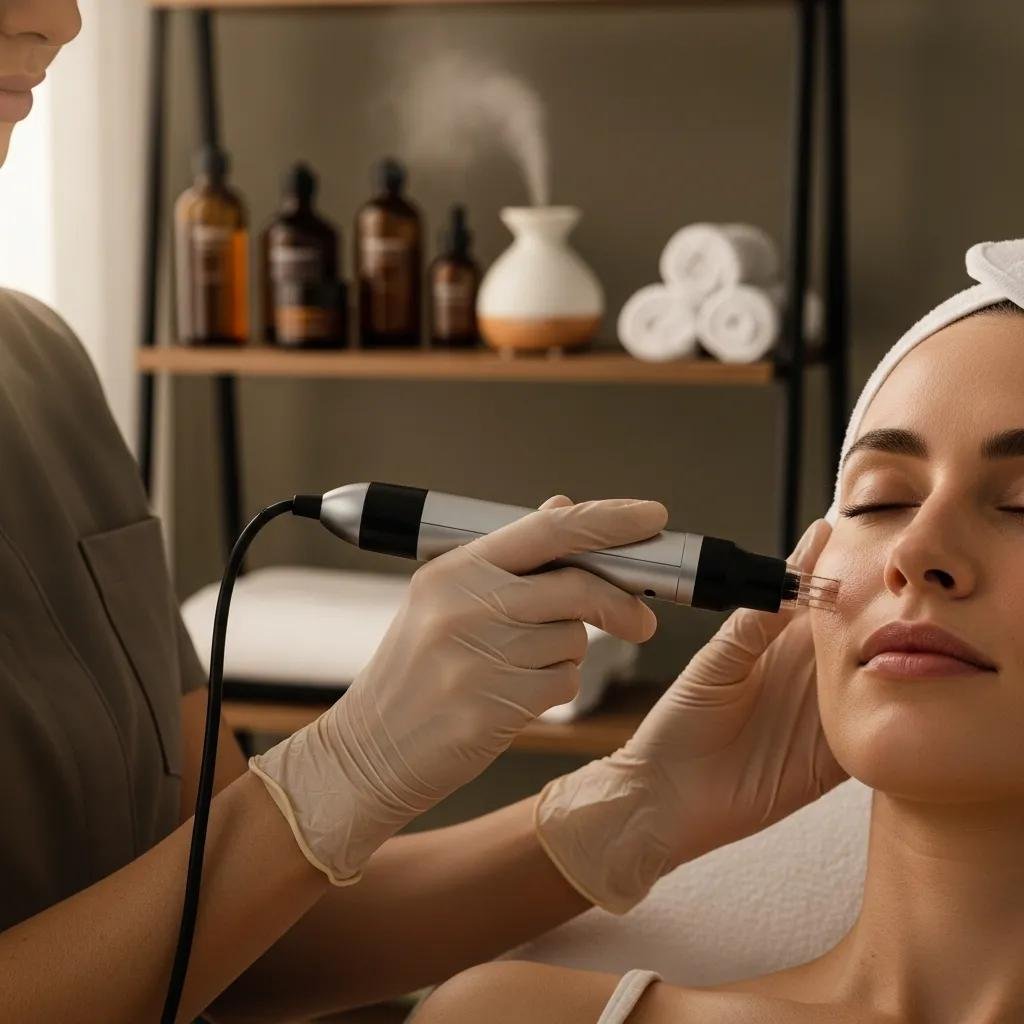
Microneedling + PRP: How It Works, Benefits, and What to Expect
Microneedling combined with platelet‑rich plasma (PRP) is a minimally invasive approach that pairs controlled micro‑injury with the patient’s own concentrated growth factors to encourage natural dermal remodeling. This guide explains the combined procedure, the cellular interaction between needling and PRP, and the practical benefits patients commonly see — from smoother texture and scar softening to improved elasticity. You’ll find clear explanations of the mechanism, evidence‑based benefit summaries, a procedural checklist, safety and candidacy guidance, comparisons with other options, and straightforward cost context plus booking steps. Throughout, clinical terms such as collagen induction therapy, microneedling PRP, and natural collagen stimulation are used to help you decide whether this regenerative option fits your goals. By the end you’ll understand how the therapy works, typical timelines, recovery expectations, and when to consult a qualified integrative provider.
What is Microneedling with PRP and How Does It Promote Skin Rejuvenation?
Microneedling with PRP merges two complementary actions: mechanical microchannels made by a needling device that trigger collagen induction, and autologous PRP applied to or injected into those channels to deliver a concentrated mix of growth factors. The controlled micro‑injury activates fibroblasts and initiates extracellular matrix remodeling, while PRP contributes platelet‑derived growth factor (PDGF), transforming growth factor‑beta (TGF‑β), and vascular endothelial growth factor (VEGF) to amplify repair. Together they support new collagen and elastin formation, improved dermal thickness and texture, and enhanced wound‑healing that can soften scars and fine lines. This section lays out the combined therapy and prepares you for the more detailed mechanistic and procedural guidance that follows.
What is Collagen Induction Therapy with PRP?
Collagen induction therapy describes techniques that intentionally provoke a controlled healing response so the skin lays down new collagen and elastin, improving dermal structure and surface quality. Adding PRP makes the protocol biologically augmented: platelets concentrated from the patient’s blood deliver growth factors that modulate inflammation, recruit reparative cells, and boost fibroblast activity. Recent reviews through 2023–2024 show that PRP added to microneedling tends to increase short‑term collagen deposition on histology and speed clinical improvements compared with microneedling alone. That synergy explains why clinicians often choose the combined approach for scar revision and overall skin quality enhancement.
How Do Microneedling and Platelet‑Rich Plasma Work Together?
The interaction is straightforward: microneedling creates microchannels that start a wound‑healing cascade; a small blood draw is centrifuged to produce PRP; then PRP is applied or microinjected into the treated area so growth factors sit directly where repair is underway. PDGF, TGF‑β and VEGF in PRP promote fibroblast proliferation, new collagen synthesis and angiogenesis, supporting faster, more organized dermal remodeling. Clinically, this can mean earlier visible improvements in tone and texture and more effective scar remodeling than needling alone. That’s why technique, sterile PRP handling, and timing of application matter for consistent outcomes.
What Are the Key Benefits of PRP Microneedling for Skin Health?
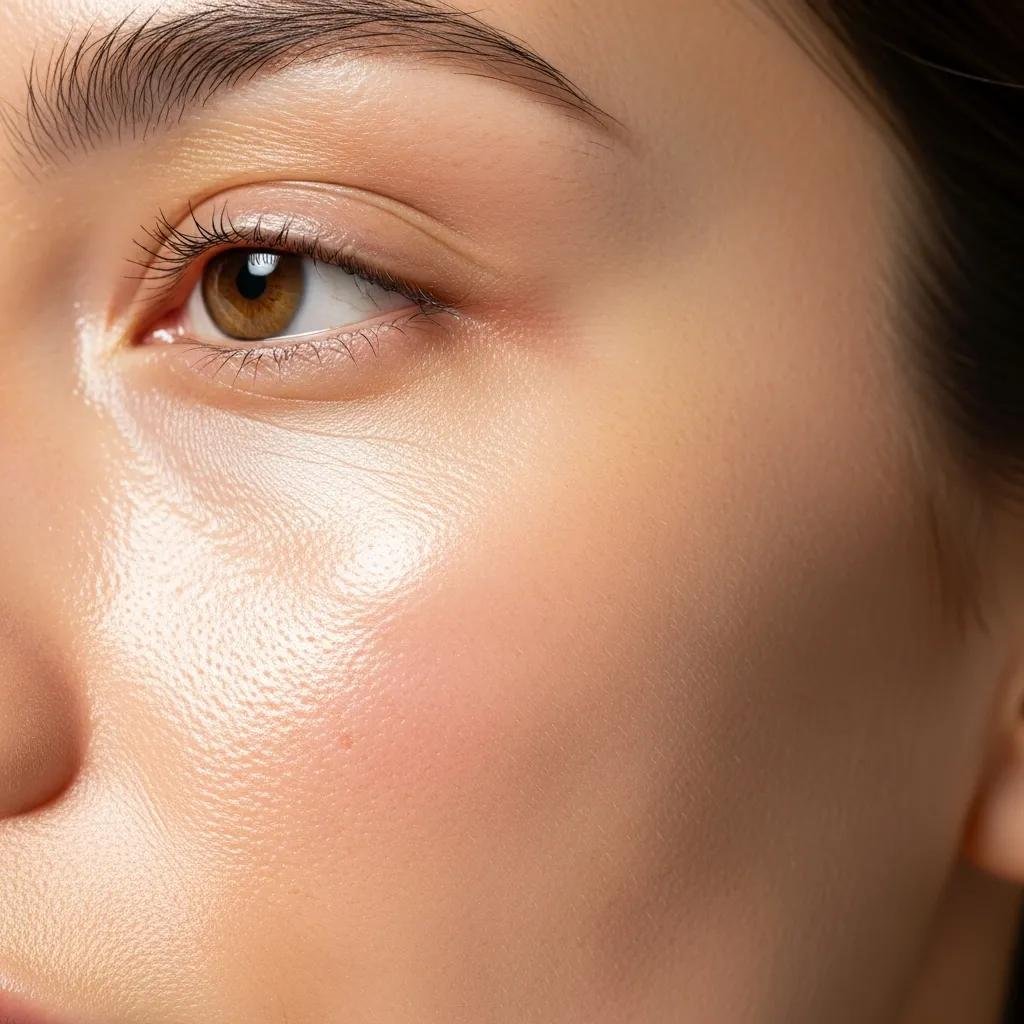
Combining mechanical remodeling with biologic augmentation produces several practical benefits for skin health. Primary outcomes include smoother texture and more even tone, measurable reduction in atrophic acne scars and fine lines, better elasticity and firmness, and an overall increase in skin radiance driven by neocollagenesis. Most patients notice early surface improvements within weeks, with progressive structural gains over 2–6 months as collagen matures. Below is a concise list of the top benefits followed by a clear comparison table to help you see how the combined therapy differs from single modalities.
Top benefits patients seek from microneedling with PRP:
- Improved skin texture: Encourages collagen remodeling to smooth irregularities and refine pore appearance.
- Scar reduction: Supports dermal reorganization that softens atrophic acne scars and post‑injury defects.
- Softer lines and wrinkles: Increases dermal volume and resilience to reduce fine lines and shallow wrinkles.
- Enhanced elasticity and tone: Stimulates collagen and elastin for firmer, more resilient skin.
These outcomes help patients prioritize goals and choose an appropriate session plan based on treatment targets and tolerance.
The table below compares key components, mechanisms, and clinical effects of PRP, microneedling alone, and the combined therapy to visualize expected results.
| Component | Mechanism | Clinical Impact |
|---|---|---|
| PRP growth factors (PDGF, TGF‑β, VEGF) | Concentrated signaling molecules that recruit reparative cells and support angiogenesis | Speeds tissue remodeling and enhances collagen deposition |
| Microneedling device (needle cartridge, depth control) | Mechanical micro‑injury that stimulates ECM turnover and fibroblast activation | Refines texture, reduces pore size, and improves superficial scarring |
| Combined therapy (microneedling + PRP) | Microchannels plus targeted growth‑factor delivery for synchronized healing | Faster visible change, greater scar remodeling, improved elasticity |
This comparison shows how the combined approach uses both structural stimulus and biologic support to produce stronger remodeling than either component alone.
If you prefer a holistic, personalized plan, an integrative consultation can tailor protocol choices to skin type, goals, and overall wellness. At Dr. Fred Bloem’s practice, Dr. Fred Bloem emphasizes individualized planning that blends regenerative medicine with aesthetic intent to optimize safety and results. In consultation you can review expectations, device options, and a session schedule that fits your needs.
What Should You Expect During Your Microneedling with PRP Treatment Journey?
The typical patient pathway starts with an intake and skin assessment, continues with same‑day PRP preparation and the microneedling procedure, and includes clear aftercare and follow‑up to track healing and outcomes. Careful screening for contraindications, selection of needle depth for each treatment zone, and aseptic PRP handling are prioritized to reduce infection risk. Appointments usually take about 60–120 minutes depending on the areas treated and whether injectable PRP or topical application is used. Below are stepwise procedure details and an aftercare checklist to prepare you for each stage of the visit.
How is the Procedure Performed Step‑by‑Step?
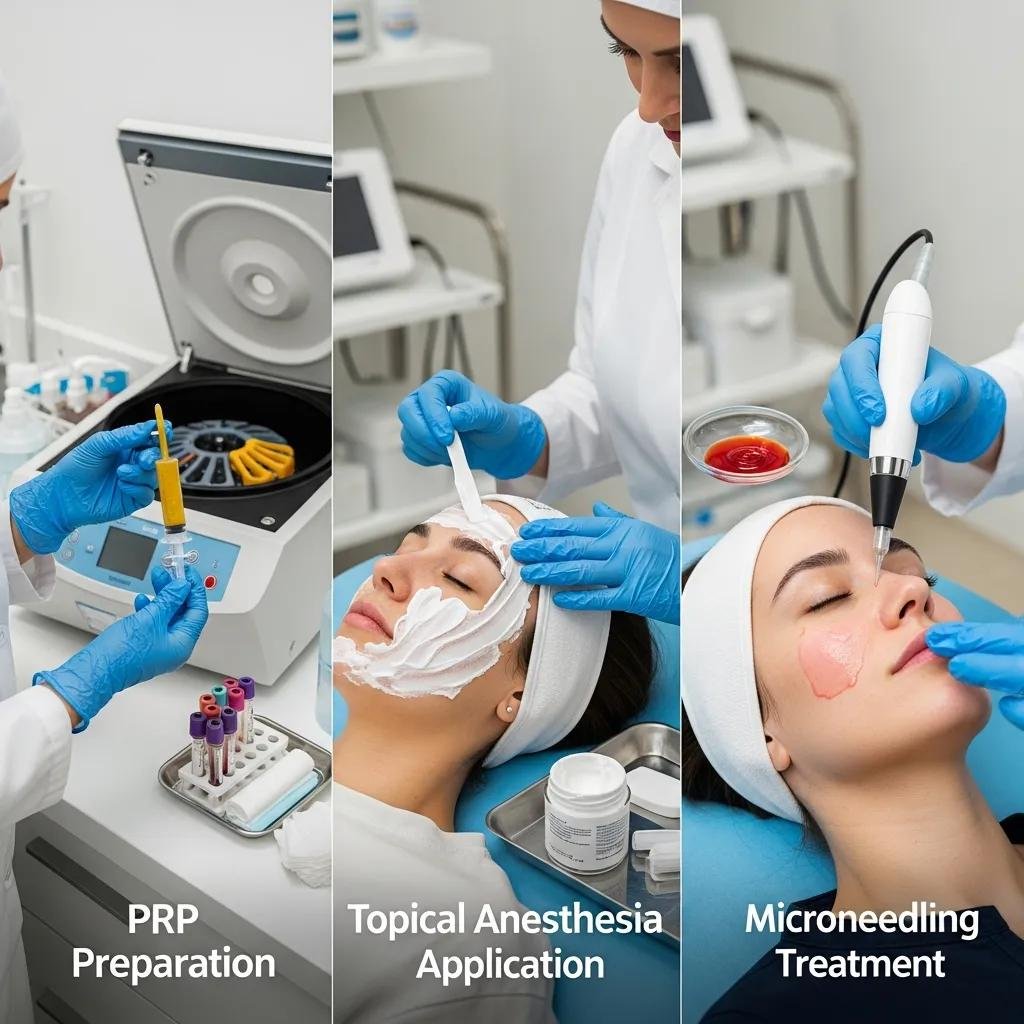
- Consultation & consent: Review medical history, set realistic goals, and choose needle depth and treatment zones.
- Blood draw & centrifugation: A small sample is taken and processed to concentrate platelets into PRP.
- Topical anesthesia: Numbing is applied to keep you comfortable while the treatment area is prepared.
- Microneedling: Controlled passes with a device create microchannels across the skin.
- PRP application or microinjection: PRP is applied topically or injected into treated areas to deliver growth factors directly to the injury site.
- Post‑treatment care: A soothing application is applied and you receive written aftercare instructions and a follow‑up plan.
This stepwise walkthrough explains timing and sensations you may experience and prepares you for practical recovery steps.
What Are the Recommended Preparation and Aftercare Guidelines?
Good preparation and aftercare help minimize complications and support optimal healing. Before treatment, avoid heavy sun exposure, aggressive exfoliation, and blood‑thinning supplements where medically appropriate; arrive with no makeup. After the procedure you can expect temporary redness and mild swelling: use gentle cleansers, protect the skin barrier, avoid vigorous exercise and heat for 48–72 hours, and apply broad‑spectrum sun protection as you heal. Your clinician may recommend supportive topical serums or moisturizers to help restore barrier function.
Key pre/post checklist:
- Pre‑treatment: Hold strong topical acids and retinoids and avoid direct sun for 5–7 days; disclose medications and supplements.
- First 48–72 hours: Cleanse gently, skip makeup, and keep the area cool and hydrated.
- Week 1–2: Avoid abrasive procedures, heavy exercise, and prolonged sun exposure; start recommended supportive skincare when advised.
Following these steps lowers risk and sets realistic expectations for early healing and visible improvement.
At Dr. Fred Bloem’s practice, our approach centers on patient education and integrative planning. We combine device precision with standardized, aseptic PRP preparation and discuss realistic timelines and maintenance strategies during the initial visit. Patients are welcome to book a consultation to review a personalized session plan based on their skin assessment.
Who Is an Ideal Candidate for Microneedling with PRP and What Are the Safety Considerations?
Good candidates are generally healthy people concerned with atrophic acne scars, fine lines, uneven texture, early photo‑damage, or mild loss of elasticity, and who do not have active skin infections. Screening identifies contraindications such as bleeding disorders, active systemic infection, or certain dermatologic conditions; a focused history and exam guide safe inclusion. Safety measures include sterile blood handling, device maintenance, appropriate needle‑depth selection, and clear pre‑ and post‑procedure instructions to reduce infection and inflammation risk. The following subsections outline treatable conditions, expected side effects, and risk‑reduction strategies.
What Skin Concerns and Conditions Does This Treatment Address?
Microneedling with PRP is most effective for atrophic acne scars, superficial to moderate fine lines, uneven texture, enlarged pores, and early photodamage. It is less effective for deep volume loss, which may require fillers or surgical options. Secondary benefits can include reduced superficial hyperpigmentation when combined with appropriate topical agents and a tailored regimen. Treatment choice depends on scar morphology (rolling vs. boxcar), skin thickness, and realistic goals set at consultation. For deeper structural deficits, combined or adjunctive therapies are often recommended.
What Are the Possible Side Effects and How Are Risks Minimized?
Typical short‑term effects include redness, mild swelling, occasional pinpoint bleeding, and bruising; these usually resolve within days to a week. Rare complications — infection, hypertrophic scarring, or persistent pigment changes — can occur but are uncommon when patients are properly selected and care follows sterile technique, device protocols, and aftercare guidance. Risk‑reduction includes pre‑procedure infection screening, pausing unnecessary anticoagulants under clinician direction, and prompt follow‑up instructions if signs of infection appear. Early management of complications improves outcomes.
How Does Microneedling with PRP Compare to Other Skin Rejuvenation Treatments?
Microneedling with PRP sits in the middle of the aesthetic spectrum, offering regenerative remodeling with modest downtime compared with ablative lasers and a biologic stimulus that differs from filler‑based volume restoration. Versus microneedling alone, PRP often enhances growth‑factor signaling and accelerates visible improvement; versus lasers, needling is generally safer across a wider range of skin tones and carries a lower risk of pigmentary change when performed correctly. The table below compares typical indications, recovery time and expected improvement to help you weigh options.
The following comparison focuses on common indications, recovery expectations, and likely improvement to support your decision.
| Procedure | Typical Indications | Recovery Time | Expected Improvement |
|---|---|---|---|
| Microneedling alone | Mild texture irregularities, superficial scars | 2–5 days | Gradual smoothing and collagen increase |
| Microneedling + PRP | Acne scarring, texture concerns, early lines | 3–7 days | Enhanced scar remodeling and faster visible gains |
| Non‑ablative laser resurfacing | Pigmentation issues, mixed photoaging | 3–7 days | Targeted pigment and texture improvements |
| Ablative laser resurfacing | Deep wrinkles, advanced photoaging | 7–21+ days | Strong improvement with longer downtime and higher risk |
This side‑by‑side view highlights that PRP augmentation often delivers larger gains than needling alone with modest extra recovery, while lasers may be better for pigment or severe texture issues but require longer downtime.
What Are the Advantages Over Traditional Microneedling Alone?
Adding PRP increases biological signaling during the wound‑healing cascade and frequently leads to faster or more noticeable improvement in collagen architecture and scar softening. Comparative histologic studies show greater early fibroblast activity and collagen deposition when PRP is used adjunctively, which can translate to better outcomes for scarring and elasticity. The mini‑table below summarizes therapy, mechanism and relative benefit to emphasize these incremental gains.
| Therapy | Mechanism | Relative Benefit |
|---|---|---|
| Microneedling | Mechanical induction of ECM turnover | Baseline collagen stimulation |
| PRP alone (topical/inject) | Growth‑factor signaling | Limited effect without microchannels |
| Microneedling + PRP | Microchannels plus concentrated growth factors | Synergistic: greater remodeling and faster results |
This comparison underscores how combining mechanical and molecular drivers of renewal produces additive benefits for many patients.
How Does This Differ from Trendier Terms Like “Vampire Facial”?
The colloquial label “vampire facial” is a marketing term sometimes used to describe microneedling with topical PRP. Medically standardized protocols, however, emphasize device‑controlled needling, laboratory‑grade PRP processing, sterile technique, and clinician oversight. Terminology differences often reflect marketing rather than substantive procedural variations. Prioritize provider training, device quality, and aseptic handling over catchy names — medically supervised microneedling with PRP follows evidence‑based steps and documentation to maximize safety and consistency.
What Are the Costs, Expected Results, and How Can You Book a Consultation?
Costs for PRP microneedling depend on treated surface area, number of sessions, device type, and provider expertise. Single‑session prices vary by clinic and region, while multi‑session packages typically offer better per‑session value. Expected results follow a timeline: early surface changes within weeks, progressive collagen maturation over 2–6 months, and maintenance treatments scheduled periodically to preserve gains. The table below gives contextual price ranges, session recommendations, and value notes to help you frame the investment — use it as a guide, not a fixed quote.
Use these ranges to understand typical investment levels and the value of a personalized treatment plan rather than as a firm price.
| Service variant | Typical price range | Sessions recommended | Value notes |
|---|---|---|---|
| Single PRP microneedling session (face) | $300–$1,200 | 1 session | Immediate texture improvement; best results as part of a series |
| Series package (3 sessions) | $900–$3,000 | 3 sessions over 3–4 months | Greater cumulative collagen remodeling and scar improvement |
| Add‑on PRP to microneedling | $100–$400 extra | Per session | Boosts biologic response; often cost‑effective in packages |
Price variation reflects provider experience, device selection and local market factors. A consultation lets us align goals with an accurate estimate and a tailored plan that balances cost and outcomes.
What Is the Typical Pricing Range and Value of Personalized Treatment?
Personalized treatment adds value by matching needle depth, PRP processing and adjunctive topicals to your anatomy and goals, which can improve efficacy per session and reduce unnecessary treatments. Single sessions offer a starting point, but packages with planned intervals and objective outcome measures usually deliver better long‑term value for scar revision or advanced photoaging. A consultation that lays out individualized planning and realistic timelines helps you compare options and choose the approach most likely to produce durable improvement.
When Will You See Results and How Do You Maintain Them?
Visible changes often begin within 2–4 weeks as initial inflammation settles and early collagen forms, with more substantive structural improvements at 8–24 weeks as collagen organizes and matures. For lasting results, clinicians commonly recommend an initial series (often three sessions spaced 4–8 weeks apart) followed by maintenance treatments once or twice a year, depending on aging pace and lifestyle. Long‑term maintenance includes consistent sun protection, prescribed topical retinoids or growth‑factor–based skincare when appropriate, and attention to nutrition and sleep — all factors that affect skin health. Periodic reassessment lets your provider adjust the plan as your skin changes.
To explore whether microneedling with PRP is right for you, schedule a consultation with Dr. Fred Bloem at Dr. Fred Bloem’s practice in Kensington, MD. During that visit you’ll receive a personalized skin assessment, an honest discussion of expected outcomes, and a recommended session plan tailored to your skin type and goals. Request a consultation to review options, safety screening, and an individualized pricing estimate aligned with your desired results.
- How to prepare for your consultation: Bring recent medical history, a list of medications and supplements, and photos of the areas you want treated.
- What to expect at the visit: A focused skin assessment, a conversation about goals, and a proposed treatment timeline.
- Next steps: Schedule sessions or request a package estimate to align cost with expected outcomes.
This closing section turns clinical information into practical next steps while keeping the focus educational and patient‑centered.
Frequently Asked Questions
What is the recovery process like after microneedling with PRP?
Recovery is usually mild. Expect redness and light swelling similar to a sunburn that improves over a few days. Follow your aftercare instructions closely: avoid sun exposure, intense exercise, and makeup for at least 48 hours, and use gentle cleansing and moisturizing. Most people notice initial improvement within a few weeks, with continued enhancement over several months as collagen production increases. Regular follow‑ups let your provider monitor progress and adjust care if needed.
How many sessions are typically recommended?
Most clinicians recommend a series of three sessions spaced 4–8 weeks apart for best results. While some patients see improvement after one treatment, a series maximizes collagen production and gives more consistent results for deeper scars or extensive photoaging. Once the initial series is complete, maintenance treatments once or twice a year help sustain improvements.
Can microneedling with PRP be combined with other treatments?
Yes. Microneedling with PRP can be combined safely with other modalities — chemical peels, lasers, or fillers — to address multiple concerns such as texture, pigmentation and volume. Proper sequencing and timing are important, so discuss your full treatment goals and medical history with your provider to create a safe, effective plan and allow adequate healing between procedures.
What should I avoid before and after the treatment?
Before treatment, avoid excessive sun exposure, blood‑thinning medications and strong topical agents like retinoids or acids for about a week, unless your clinician advises otherwise. After treatment, avoid vigorous exercise, hot baths or showers, and makeup for 48 hours to limit irritation and infection risk. Maintain a gentle skincare routine and strict sun protection to support healing and protect results.
Is microneedling with PRP safe for all skin types?
Microneedling with PRP is generally safe for a wide range of skin tones and carries a lower hyperpigmentation risk than some lasers when performed correctly. However, individual factors — active skin infections, certain autoimmune conditions or bleeding disorders — may make the treatment unsuitable. A thorough consultation and exam ensure the approach is appropriate for your skin and medical history.
How does the cost of microneedling with PRP compare to other treatments?
Costs vary by provider skill, location and treatment specifics. A single session typically ranges from $300 to $1,200, with packages offering better value for multiple sessions. Compared with many laser options, PRP microneedling is often more affordable and has shorter downtime. Discuss your budget and goals during a consultation to identify the best option for your needs.
Conclusion
Microneedling with PRP combines mechanical stimulation and biologic support to help improve texture, soften scars, and restore elasticity. The approach accelerates healing and can produce long‑lasting, natural‑looking improvements when delivered by a qualified provider and paired with an appropriate aftercare plan. To learn whether this treatment suits your skin, schedule a personalized consultation with a qualified clinician and review a customized plan that matches your goals and expectations.
