

Holistic Hair Restoration Near Rockville, MD — Personalized Regenerative Care for Lasting Results
Losing hair can feel personal and isolating, but we see it differently: as a signal about your scalp and whole-body health. This guide explains the common, overlapping causes of hair loss and thinning, how regenerative options like PRP hair Rockville and exosome hair Rockville work, and what realistic timelines and outcomes look like for patients in and around Rockville, MD. You’ll find practical diagnostic checks—when to test hormones, nutrition, or stress—and learn how non‑surgical treatments fit into a broader plan that supports sustainable regrowth. We also map the patient journey from assessment to maintenance, compare regenerative care with surgical options, and show where to get trusted, personalized help in Kensington that serves the Rockville area.
What Causes Hair Loss and Thinning: A Holistic Perspective for Rockville Patients?
Hair loss usually has more than one cause. Genetics set a baseline risk, but hormones, nutrition, inflammation, and life stress change the scalp environment and hair cycle behavior. At the follicle level, altered androgen signaling, nutrient shortfalls, or prolonged inflammation can shorten the anagen (growth) phase and thin the hair shaft, producing visible density loss. Understanding these mechanisms helps prioritize sensible testing and a combined local-plus-systemic plan to restore scalp health and encourage durable regrowth. Below are the most common drivers and a simple, actionable check for each to guide an initial evaluation for Rockville-area patients.
Common drivers of hair loss and quick checks:
- Genetic androgenetic alopecia: Review family history and the pattern of thinning to spot early hereditary signs.
- Hormonal imbalances (androgens, thyroid): Order targeted labs when clinical clues suggest endocrine involvement.
- Nutritional deficiencies (iron, vitamin D, B12, zinc): Check basic labs and review diet to identify correctable gaps.
- Stress and systemic inflammation: Ask about recent life events and consider inflammatory markers; add stress‑reduction where needed.
These factors often overlap, so a structured evaluation—history, scalp exam, and selective labs—creates the clearest roadmap for a personalized plan. When systemic contributors are addressed, local regenerative procedures tend to work better and last longer.
How Do Hormonal Imbalances and Nutrition Affect Hair Health?

Hormones and nutrition influence hair by changing receptor signaling, cellular metabolism, and the local growth-factor milieu in the scalp. Androgens can drive follicular miniaturization in susceptible people; thyroid dysfunction can shift hairs prematurely into telogen shedding. Deficiencies—especially low ferritin, vitamin D, or B12, or inadequate protein—can impair hair shaft formation and slow growth. Typical tests we use are serum ferritin, 25‑hydroxyvitamin D, TSH/free T4, and a basic metabolic panel; abnormal results guide supplementation or referral. Correcting these systemic issues with targeted nutrition and supplements improves the follicular environment and increases the chance of a good response to PRP, exosomes, or other local treatments.
What Role Does Stress and Environmental Toxins Play in Hair Loss?
Chronic stress raises cortisol and can trigger telogen effluvium—a diffuse, often sudden shedding after major physical or emotional events. Environmental toxins and oxidative stress can inflame the scalp and harm follicular stem cells, delaying anagen return and slowing regeneration. Practical steps include better sleep, mindfulness or cognitive stress tools, and reducing exposure to common scalp irritants. In clinic we may add antioxidant support or investigate toxin exposure when indicated. Tracking hair after lifestyle changes helps clarify whether adjunctive regenerative therapies will produce lasting benefit.
Which Regenerative Hair Restoration Treatments Are Available Near Rockville, MD?
Regenerative treatments stimulate existing follicles and improve the scalp’s biology without surgical grafting. The two commonly used biologic approaches are platelet‑rich plasma (PRP) and exosome therapy; both deliver growth signals to the follicular niche but differ in origin and signaling profile. Microneedling and topical growth‑factor formulations are often used alongside injections to boost absorption and remodeling. The table below compares mechanism, typical sessions, and downtime to help you weigh options available near Rockville.
Overview comparison of regenerative options:
| Treatment | Mechanism | Typical Sessions | Downtime |
|---|---|---|---|
| PRP (Platelet-Rich Plasma) | Your own platelets release growth factors that support angiogenesis, tissue repair, and follicle activation | 3–4 initial sessions, then maintenance | Minimal; transient soreness or redness |
| Exosome Therapy | Acellular vesicles deliver concentrated signaling molecules (miRNA and growth factors) to follicular cells | 1–3 sessions commonly spaced monthly | Minimal; occasional mild irritation |
| Microneedling (with/without topicals) | Controlled micro‑injury stimulates collagen remodeling and improves topical absorption | 3–6 sessions spaced 4–6 weeks | Short‑term redness and sensitivity |
This quick comparison highlights that PRP is autologous and relies on your platelet biology, while exosomes are concentrated, cell‑derived signaling vesicles that can offer a different or complementary regenerative signal. The right choice depends on hair‑loss stage, systemic contributors, and personal preferences; the sections below explain how each option typically performs and what to expect.
Clinics that practice regenerative medicine often combine these procedures with systemic optimization—addressing hormones, nutrition, and inflammation—so scalp injections are delivered into the healthiest possible biological environment. For Rockville patients, a tailored protocol that pairs diagnostic testing with focused scalp therapy usually provides the best long‑term results.
How Does PRP Hair Treatment Stimulate Natural Hair Growth?
PRP is made by drawing a small sample of your blood, concentrating the platelets via centrifugation, and injecting the platelet‑rich fraction into the scalp. Platelets release growth factors and cytokines that promote microvascular growth and activate follicular stem cells, supporting local tissue repair and thicker hair over time. Standard protocols use three monthly sessions followed by periodic maintenance. Results vary, but many patients with early to moderate androgenetic alopecia see measurable thickening and improved hair shaft caliber when systemic factors are optimized first. Because PRP depends on your baseline platelet health, addressing iron status, nutrition, and other health factors beforehand can improve outcomes.
What Are the Benefits of Exosome Hair Therapy for Hair Regrowth?
Exosome therapy delivers extracellular vesicles—usually derived from cultured cells—that contain proteins, growth factors, and regulatory RNA. These vesicles can reduce inflammation, encourage cell proliferation, and deliver strong paracrine signals to follicle cells without introducing living cells. Early evidence suggests exosomes may offer potent signaling compared with PRP in some contexts, though research is still developing. Safety signals look favorable so far, but it’s important to discuss product sourcing, handling, and realistic expectations with your provider when considering exosome hair Rockville treatments.
Why Choose Dr. Fred Bloem’s Holistic Hair Restoration Clinic in Kensington, MD?
At Dr. Fred Bloem’s clinic we treat hair loss within a regenerative and integrative medicine framework that focuses on root‑cause assessment and individualized plans. We begin with clear diagnostics—medical history, targeted labs, and a focused scalp exam—before recommending local regenerative procedures. That approach helps tailor therapies to your physiology and increases the odds of lasting improvement. Our clinic blends systemic optimization (nutrition and hormone review) with hands‑on procedural expertise, continual patient education, and convenient follow‑up for Rockville‑area patients seeking comprehensive care.
Key reasons patients choose this clinic:
- Personalized plans that combine systemic assessment with targeted regenerative procedures.
- Experience in regenerative medicine applied to hair restoration and related tissue therapies.
- A Kensington location serving the greater Rockville area for easy access and follow‑up.
How Does a Personalized Treatment Plan Address Individual Hair Loss Needs?
A personalized plan starts with a detailed intake—medical history, pattern and timing of loss, family history—followed by targeted labs and a scalp examination to identify reversible contributors. From there we combine systemic fixes (for example, correcting low iron or vitamin D, or addressing thyroid or androgen issues) with procedural choices such as PRP, exosomes, or microneedling based on follicle status. Progress is tracked with standardized photos, density measures, and symptom notes so we can refine the protocol and prescribe maintenance when appropriate. This sequence increases the likelihood that regenerative signals are delivered into an optimized, receptive environment.
What Makes Our Integrative Approach Different from Conventional Clinics?
Rather than focusing only on isolated procedures, our integrative model treats hair loss as a systemic problem with local effects. By combining endocrine assessment, targeted nutrition, stress management, and staged regenerative therapy, we aim for more durable results and a lower risk of recurrence. Coordinated care—lab‑guided supplementation, lifestyle changes, and procedural sequencing—creates a layered strategy that supports both early regrowth and long‑term scalp vitality. We emphasize patient education and shared decision‑making so every step aligns with your goals and the best available evidence.
What Can Patients Expect During Their Hair Restoration Journey Near Rockville?
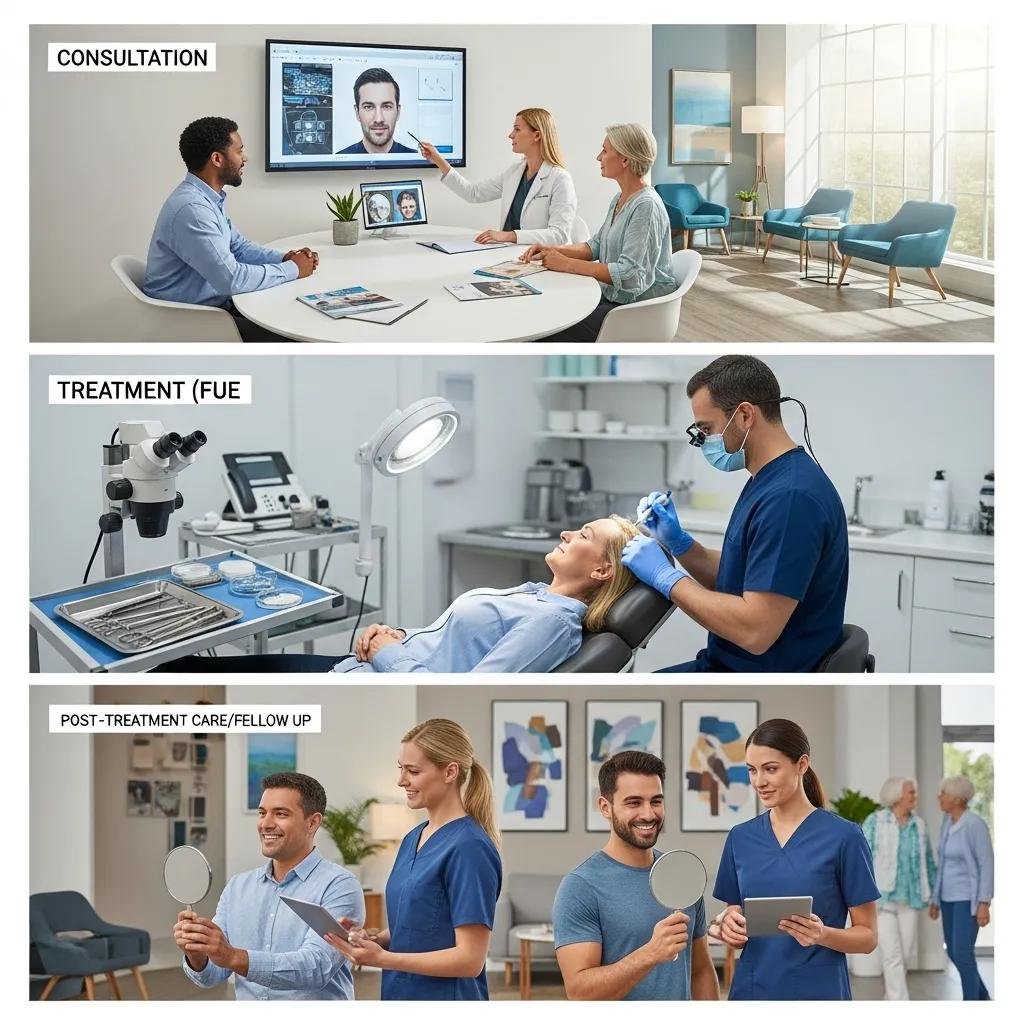
The patient journey usually follows three phases: assessment, targeted treatment, and maintenance. A phased plan—pre‑treatment evaluation, an active treatment series, and scheduled follow‑up—helps you plan time and expectations for visible change. The timeline table below outlines each phase, what happens, and typical timeframes so you know what to expect from consultation through measurable improvement.
Phases of the patient journey:
| Phase | What Happens | Typical Timeline |
|---|---|---|
| Assessment | Medical history, scalp exam, baseline photos, recommended labs | 1–2 weeks for testing |
| Active Treatment | PRP/exosome sessions, optional microneedling, topical adjuncts | 1–3 months for primary series |
| Follow-up & Maintenance | Outcome review, maintenance injections or adjunctive care | Ongoing visits every 3–12 months |
What Are the Steps Before, During, and After PRP or Exosome Treatments?
Before treatment we confirm labs, review medications and supplements that affect bleeding, and give clear pre‑procedure instructions to reduce risk. During the visit the scalp is cleansed, topical numbing may be used, and injections or microneedling with biologics are performed in a controlled setting; sessions are usually under an hour. Aftercare includes avoiding heavy exercise for 24–48 hours, gentle scalp care, and simple measures for soreness or redness. We give clear guidance on warning signs that require prompt attention so you can recover comfortably and safely.
How Long Does It Take to See Results from Non-Surgical Hair Restoration?
Non‑surgical treatments typically show measurable change over months. Many patients notice reduced shedding or early thickening around three months, with clearer density gains between six and twelve months. Timing depends on age, baseline severity, adherence to systemic recommendations, and the chosen modality; exosome timelines may differ from PRP in emerging studies. Regular photos and follow‑up visits help determine whether to continue, intensify, or add adjunctive therapies to optimize long‑term outcomes.
How Do Non-Surgical Hair Restoration Options Compare to Surgical Alternatives?
Regenerative therapies and surgical hair transplants serve different goals. Regenerative options stimulate existing follicles and improve scalp health with minimal downtime; transplants move durable donor follicles to thinning areas for permanent coverage. The best choice depends on loss extent and stability, donor availability, and your preference about invasiveness and recovery. The table below summarizes advantages and limitations to support an informed decision.
| Approach | Invasiveness | Recovery Time | Typical Outcome |
|---|---|---|---|
| PRP/Exosomes/Microneedling | Low | Minimal (days) | Variable density improvement; best for early to moderate loss |
| Hair Transplant | High (surgical) | Weeks of recovery | Permanent redistribution of grafts; best for stable, extensive loss |
| Combination (regenerative + transplant) | Moderate | Variable | Regenerative therapies can improve graft survival and overall results |
What Are the Advantages and Limitations of PRP and Exosome Therapies?
PRP and exosome treatments offer low invasiveness, favorable safety profiles, and outpatient convenience, making them attractive non‑surgical choices. Limitations include variable individual response, the need for multiple sessions, and cost considerations. Outcomes depend on overall health, severity of loss, and whether systemic contributors are addressed. PRP carries low immunologic risk because it’s autologous; exosomes are acellular and early safety reports are encouraging, but product sourcing and procedural consistency matter. Careful candidate selection and correcting reversible systemic issues improve the likelihood of meaningful change.
When Is a Hair Transplant Recommended Over Regenerative Treatments?
We typically recommend a hair transplant when hair loss is extensive, long‑standing, and unlikely to respond sufficiently to regenerative signaling alone—especially when donor hair is stable and there is a defined pattern of baldness. Transplantation provides a durable solution for restoring hairlines and coverage where follicles are permanently lost. Regenerative therapies are better suited for early thinning, diffuse shedding that may respond to systemic care, or for patients who prefer to avoid surgery. Many providers use a staged strategy: optimize scalp health with regenerative methods first, then consider transplant if structural restoration is still needed.
Where Can You Find Trusted Hair Restoration Services Near Rockville, MD?
Look for clinics that combine diagnostic rigor with experience in regenerative therapies and clear follow‑up protocols. Dr. Fred Bloem’s practice maintains a Kensington location serving Rockville and focuses on customized hair restoration plans within a regenerative medicine approach. Practical details about scheduling, location, and what to bring to your first visit simplify the evaluation and speed the diagnostic phase.
Logistics for scheduling and attending a consultation:
- The clinic accepts appointment requests by phone and through its local business profile for convenience.
- The practice is located at 10400 CONNECTICUT AVE STE 206 KENSINGTON MD 20895-3941, a central option for Rockville-area patients.
- Expect intake forms, a focused history, baseline photos, and recommendations for targeted labs during the first visit to help create a personalized plan.
How to Schedule a Consultation with Dr. Fred Bloem’s Clinic?
To schedule, call the clinic or use its public business listing to request an appointment. Staff will confirm any pre‑visit paperwork and the recommended time for a comprehensive assessment. The initial consultation typically covers your medical history, a scalp exam, and discussion of appropriate diagnostic tests to determine whether PRP, exosome therapy, or combined systemic care is the best path. Helpful tips: bring a list of current medications, any recent lab results, and photos showing the progression of hair loss to speed accurate planning.
What Do Patients Say About Their Hair Restoration Results?
Patients report the best satisfaction when treatment plans address both scalp procedures and systemic contributors like nutrition and hormones. Many note gradual gains in thickness and reduced shedding when they follow the recommended protocol. We document progress with standardized photos and follow‑up metrics to set realistic expectations and plan maintenance. Prospective patients are encouraged to review case examples and discuss measurable goals during the initial visit so outcomes and next steps are clear.
Frequently Asked Questions
1. What should I expect during my first consultation for hair restoration?
Your first visit focuses on a thorough assessment: a detailed medical history, scalp examination, and baseline photos to document your starting point. We’ll discuss your concerns and may recommend labs to check for underlying issues. This session helps us build a tailored treatment plan aligned with your goals.
2. How do I know if I am a good candidate for PRP or exosome therapy?
Candidacy depends on hair‑loss stage, overall health, and scalp condition. Ideal candidates often have early to moderate thinning and no contraindicating medical issues. A thorough in‑office evaluation will clarify whether PRP, exosomes, or another approach best fits your situation.
3. Are there any side effects associated with PRP or exosome treatments?
Both treatments are generally well tolerated. Typical short‑term effects include soreness, redness, or mild swelling at injection sites. PRP has a low allergy risk because it uses your own blood; exosomes are acellular and carry a favorable safety profile. We review risks and how to manage them before any procedure.
4. How can I maintain the results of my hair restoration treatments?
Maintenance combines scheduled follow‑up treatments and lifestyle measures. Regular maintenance sessions help sustain gains; addressing nutrition, stress, and hormonal issues supports long‑term results. Your practitioner may also recommend topical therapies or supplements to reinforce scalp health.
5. What lifestyle changes can support hair restoration efforts?
Simple lifestyle choices boost results: eat a nutrient‑dense diet (iron, vitamin D, B12, adequate protein), manage stress with sleep and mindfulness, exercise regularly, and avoid harsh hair treatments or known scalp irritants. These steps create a healthier environment for regrowth.
6. How long do the effects of PRP or exosome therapy last?
Duration varies by individual and disease severity. Many patients notice improvements within three to six months, with optimal changes by about one year. Maintenance treatments—often every six to twelve months—help prolong benefits depending on your response and goals.
7. Can I combine regenerative treatments with other hair restoration options?
Yes. Combining regenerative therapies with lifestyle changes, nutritional support, and surgical options when appropriate often yields the best outcomes. An integrative plan addresses immediate concerns and the underlying contributors to support lasting hair health.
Conclusion
A holistic approach to hair restoration—one that treats both local scalp biology and systemic contributors—can produce meaningful improvements in density and scalp health. Integrating personalized protocols that include regenerative options like PRP and exosome therapy often leads to more durable results tailored to each patient. If you’re ready to explore next steps, schedule a consultation with our team to create a clear, individualized plan for your hair restoration journey.
