

Practical Breathwork for Stress Relief: A Clinically Informed Guide to Calming Mind and Body
Breathwork means intentionally shifting how you breathe to change your body’s physiology and mental state. It’s a fast, accessible tool for calming stress by engaging the autonomic nervous system. This guide explains the physiological reasons breathwork works—vagal activation, better heart rate variability (HRV), and lower cortisol—and offers practical, evidence-informed techniques you can use right away. You’ll find foundational practices like diaphragmatic breathing, targeted protocols such as 4-7-8 and alternate nostril breathing (Nadi Shodhana), and comparative methods like box and coherent breathing. Clear how-to steps, troubleshooting tips, and clinical considerations for people with chronic or respiratory conditions are included. Relevant search terms (for example: breathwork stress, diaphragmatic breathing, pranayama for anxiety, vagus nerve breathing) are woven through to help you discover reliable, medically aware approaches to calming both mind and body.
What Is Breathwork and How Does It Relieve Stress?
Breathwork describes deliberate breathing practices—rooted in pranayama and contemporary mind–body medicine—that change rate, depth, and timing of breaths to engage the parasympathetic nervous system. These techniques influence the vagus nerve and shift autonomic balance toward parasympathetic activity, which tends to slow heart rate and lower cortisol, reducing the physical signs of anxiety. Research shows that even brief, regular sessions can improve HRV and lower self-reported anxiety, making breathwork a practical adjunct to other stress-management strategies.
Below is a quick-reference table that links common techniques with their primary mechanisms and likely benefits so you can compare approaches at a glance.
Different breathing methods trigger distinct physiological pathways and produce measurable improvements in stress and anxiety.
| Technique | Mechanism | Primary Benefit |
|---|---|---|
| Diaphragmatic Breathing | Greater diaphragmatic movement and increased vagal input | Fast sense of relaxation and easier breathing |
| 4-7-8 Breathing | Slow inhale, extended hold, prolonged exhale → vagal stimulation | Quick reduction in acute anxiety and easier sleep onset |
| Nadi Shodhana (Alternate Nostril) | Balances respiratory input and hemispheric activity | Sharper attention and steadier emotional regulation |
This comparison makes it easier to match a breathing pattern to the outcome you want and to set realistic expectations for symptom relief.
How Does Breathwork Influence the Nervous System and Vagus Nerve?
Breathing changes the signals sent from the lungs and diaphragm to the brainstem, which in turn adjusts vagal output and parasympathetic tone. Slower, controlled exhalations increase baroreceptor sensitivity and promote vagal firing, raising HRV and producing a calmer physiological baseline. These changes lower sympathetic arousal and can reduce circulating cortisol during and after practice, supporting reduced anxiety and improved sleep. Clinically, breathwork is a low-risk tool that complements other medical or behavioral therapies when autonomic imbalance is a concern.
What Are the Key Benefits of Breathwork for Anxiety and Chronic Stress?
Breathwork supports anxiety and chronic stress through predictable physiological routes—better autonomic regulation, improved sleep, and greater mood stability. Targeted breathing reduces acute anxiety by slowing respiration and extending the exhale, which helps calm hyperarousal. Regular practice tends to improve HRV and resilience, translating to fewer stress-related symptoms over time. Breathwork also integrates well with broader mind–body plans for chronic illness by reducing the stress amplification that worsens symptoms. Below are the main, evidence-aligned benefits.
Key, evidence-aligned benefits of regular breathwork practice include:
- Reduced Acute Anxiety: Slower, paced breathing lowers immediate physiological arousal and panic-like symptoms.
- Improved Sleep Quality: Pre-sleep protocols help shorten time to fall asleep and reduce night-time arousal.
- Enhanced Autonomic Balance: Higher HRV and increased parasympathetic tone reduce baseline stress reactivity.
Because breathwork is broadly accessible, it’s often recommended as a first-line self-regulation tool; clinical oversight is advised when medical complexity is present.
When a medical framework or individualized protocol is needed, breathwork is best used as part of an integrative care plan. At Internal Healing and Wellness MD in Kensington, MD, our clinicians assess how breathing practices fit each patient’s goals and medical picture. If you’re managing complex symptoms or want a medically tailored breathwork protocol, a consultation with Dr. Fred Bloem can help select techniques and monitor responses over time.
How to Practice Diaphragmatic Breathing for Stress Reduction?
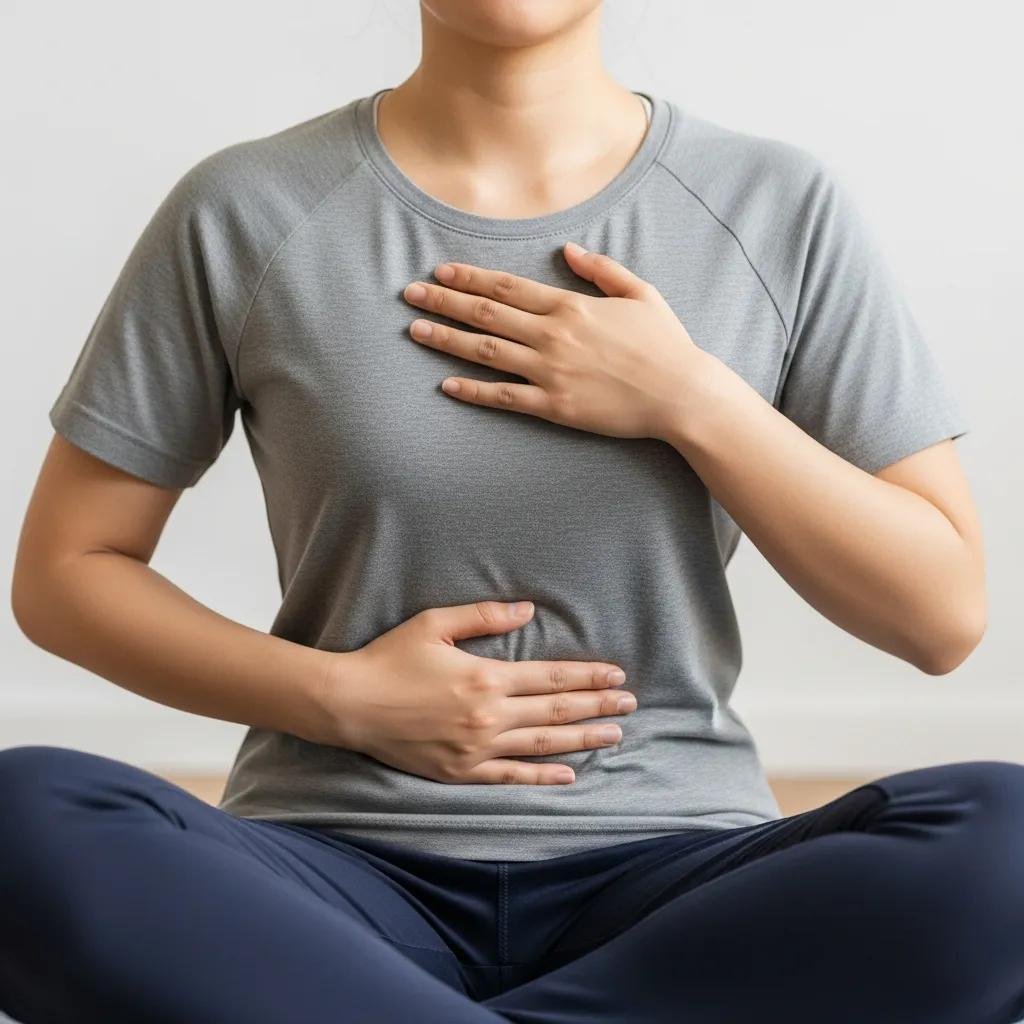
Diaphragmatic breathing—also called belly or abdominal breathing—encourages the diaphragm to lead each breath, allowing fuller lung expansion and reducing use of accessory muscles. That movement increases vagal afferent input and lowers respiratory rate, producing measurable calming effects and improved oxygenation with less effort. Training this pattern regularly reduces shallow chest breathing and forms the foundation for other breathwork techniques. The steps below give a clear, reproducible sequence to learn diaphragmatic breathing efficiently.
Follow these step-by-step instructions to learn diaphragmatic breathing with timing that supports parasympathetic activation:
- Get comfortable: Sit tall or lie on your back with knees bent; place one hand on your chest and one on your abdomen.
- Inhale 4 seconds: Breathe gently through the nose so your abdomen rises under your hand while the chest stays fairly still.
- Exhale 6 seconds: Pucker your lips slightly and exhale smoothly, feeling your abdomen fall; aim for a longer exhale than inhale.
- Repeat for 5–10 minutes: Begin with 5 minutes daily and work toward 10–20 minutes as comfort and control increase.
Daily diaphragmatic practice reduces shallow breathing patterns and builds a reliable physiologic base for more advanced techniques.
What Are the Step-by-Step Instructions for Diaphragmatic Breathing?
Effective diaphragmatic retraining needs good posture, tactile feedback, and gradual progression. Start seated with your back supported or lying on your back; rest one hand on the sternum and one on your belly to feel movement. Inhale for a count of four, let the belly expand, pause 1–2 seconds if that feels comfortable, then exhale for six seconds through slightly pursed lips—this 4:6 ratio favors vagal engagement. Do sets of 5 minutes, aim for twice daily and during stressful moments, and increase to 15–20 minutes over several weeks as you gain strength and control.
How Does Diaphragmatic Breathing Support Relaxation and Mood Balance?
Diaphragmatic breathing mechanically stimulates the vagus nerve via the diaphragm, boosting parasympathetic signaling and reducing sympathetic drive. With daily practice over weeks, many people notice steadier mood, lower baseline anxiety, and better sleep—changes that align with improved HRV and reduced perceived stress. Expect immediate calming during sessions and gradual mood benefits after two to four weeks of consistent practice. This predictable pattern makes diaphragmatic breathing a practical self-care skill that prepares you for paced or coherent breathing protocols.
What Is the 4-7-8 Breathing Technique and Its Benefits for Anxiety?
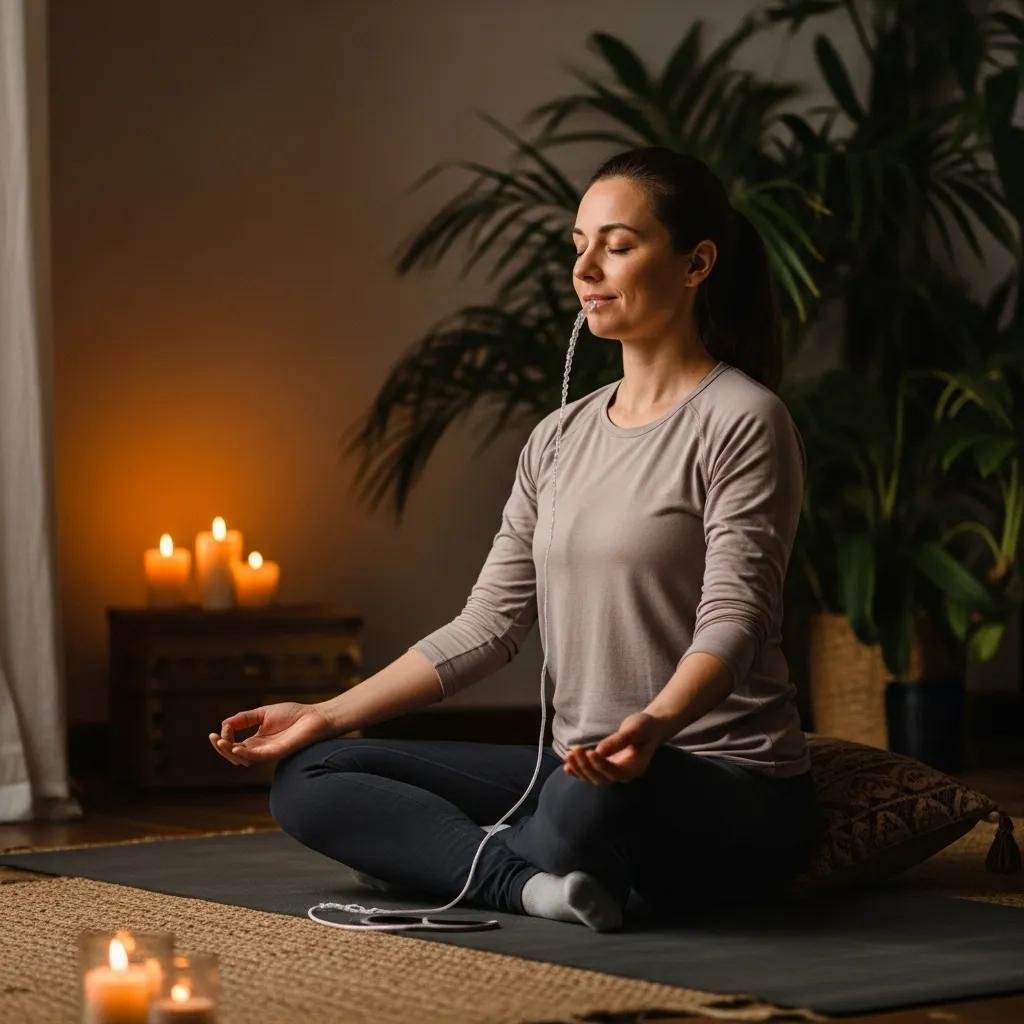
The 4-7-8 technique is a paced breath sequence—four-second inhale, seven-second hold, eight-second exhale—designed to stimulate the vagus nerve and quickly downregulate acute anxiety. The extended exhale encourages parasympathetic activity, lowers heart rate, and often reduces the physiological drive behind panic or agitation. Many people use this method before bed to shorten sleep latency and during acute stress to regain composure. The steps below show how to practice safely and effectively.
Follow these instructions to perform 4-7-8 breathing correctly and safely:
- Assume a comfortable posture: Sit upright with a lengthened spine and relaxed shoulders.
- Inhale quietly for 4 seconds through the nose: Fill the lungs gently without forcing.
- Hold for 7 seconds: Keep diaphragmatic tone relaxed—avoid tensing the jaw or shoulders.
- Exhale slowly for 8 seconds through pursed lips: Let the breath flow out softly and completely.
- Repeat 4 cycles initially: Increase gradually to 8 cycles as tolerance allows.
If you feel lightheaded, shorten the counts (for example, 3-4-5) and avoid prolonged breath-holds; seek medical advice for significant respiratory or cardiovascular conditions.
How to Perform the 4-7-8 Breathing Technique Correctly?
To do 4-7-8 without strain, start by exhaling fully, then inhale quietly through the nose for four counts. Hold gently for seven counts—don’t clamp the throat—and exhale completely through pursed lips for eight counts, allowing the breath to flow rather than forcing it. Practice four cycles twice daily while seated and relaxed, then increase slowly to eight cycles as you build tolerance. If breath retention causes dizziness, reduce the hold time and consult your clinician for guidance if you have cardiopulmonary concerns.
What Are the Effects of 4-7-8 Breathing on Sleep and Stress Levels?
Many people use 4-7-8 as a pre-sleep ritual because the long exhale reliably lowers physiological arousal and shortens time to fall asleep. Research and clinical experience show reductions in subjective anxiety and improved sleep onset with regular practice, especially when combined with good sleep hygiene. Nightly use can reduce awakenings and promote a calmer baseline over several weeks. For chronic insomnia or severe anxiety, combine breathwork with clinical assessment for the best outcomes.
How Can Alternate Nostril Breathing Help Manage Anxiety?
Alternate nostril breathing (Nadi Shodhana) alternates inhalation and exhalation between nostrils to balance autonomic output and sharpen attention. The method promotes symmetrical respiratory input and can influence hemispheric activation and parasympathetic engagement, reducing anxiety while improving cognitive clarity. Nadi Shodhana adapts easily to different paces and can serve relaxation or focus goals depending on rhythm. The practice below is beginner-friendly and can be modified for nasal congestion or comfort.
The following numbered steps describe a straightforward Nadi Shodhana practice suitable for most beginners:
- Sit comfortably: Choose a stable cross-legged posture or sit in a chair with a straight spine.
- Use thumb and ring finger: Close the right nostril with the right thumb and inhale through the left nostril.
- Close left nostril with ring finger and exhale through right: Continue alternating with balanced inhales and exhales.
- Practice for 5–10 minutes: Start short and lengthen sessions as focus improves.
Begin with even, slow counts (for example, 4–4) and progress to longer, calmer rhythms that prioritize relaxation over performance.
What Is Nadi Shodhana and How Is It Practiced?
Nadi Shodhana uses a manual alternation of nostrils to create a steady, rhythmic breath pattern that supports autonomic balance and mental clarity. Close the right nostril with the thumb and inhale gently through the left for a comfortable count (for example, four); then close the left nostril and exhale through the right for the same count. Reverse for the next cycle. Keep breaths smooth and unforced, and aim for 5–10 minutes to start. You can use equal pacing to center or slightly longer exhalations to emphasize relaxation—making the technique versatile for different needs.
How Does Alternate Nostril Breathing Regulate the Nervous System?
Alternate nostril breathing creates balanced respiratory afferent input and engages brain networks involved in attention and emotion regulation. Short-term studies show changes in parasympathetic markers such as HRV, supporting stress reduction and improved focus. Clinically, Nadi Shodhana is helpful for people who want a calming practice that still preserves cognitive clarity—useful before focused tasks or as part of anxiety-management—and it can be tracked with subjective measures or wearable HRV for personalized feedback.
What Are Box Breathing and Coherent Breathing Techniques for Relaxation?
Box breathing and coherent breathing are structured paced-breath protocols with different rhythms: box breathing uses equal counts for inhale/hold/exhale/hold, while coherent breathing targets a narrow breaths-per-minute range (about 5–6 breaths/minute) to maximize HRV. Both stabilize respiratory sinus arrhythmia and reduce physiological reactivity, but their practical uses differ: box breathing is well-suited to restoring focus under pressure, while coherent breathing supports deep relaxation and restorative autonomic balance. The table below compares typical rhythms and use cases to help you choose.
| Technique | Typical Rhythm (seconds) | Use Case / Benefit |
|---|---|---|
| Box Breathing | 4-4-4-4 (inhale-hold-exhale-hold) | Regain focus and composure during acute stress |
| Coherent Breathing | ~5–6 breaths per minute (inhale 5–6s, exhale 5–6s) | Deep relaxation; improve HRV and emotional regulation |
| Modified Box | 3-3-3-3 or 5-5-5-5 | Adjustable for beginners or those with limited respiratory capacity |
This side-by-side view helps you pick a rhythm that matches whether you need sharp focus or sustained relaxation.
How to Practice Box Breathing for Focus and Calm?
Box breathing is a compact technique that restores composure by imposing an even, calming rhythm. Inhale for four seconds, hold for four, exhale for four, and hold out for four—repeat for 4–8 cycles while keeping the breath gentle and the jaw relaxed. Use short bursts (30–60 seconds) to reset before presentations or stressful interactions. Beginners can shorten each count to three seconds until the pattern feels natural, then return to 4-second cycles as comfort grows.
What Is Coherent Breathing and Its Role in Stress Management?
Coherent breathing aims for roughly five to six breaths per minute, creating a resonant frequency between heart rate and respiration that increases HRV and steadies autonomic function. Practice evenly timed inhales and exhales (for example, five seconds in, five seconds out) for 10–20 minutes to strengthen vagal engagement and physiological coherence. Regular coherent breathing helps emotional regulation, reduces reactivity to stress, and supports better sleep when used consistently. Because it optimizes cardiorespiratory coupling, coherent breathing is a good choice for shifting longer-term autonomic set points.
How to Integrate Breathwork into Your Daily Holistic Stress Management Routine?
Making breathwork part of daily life takes practical scheduling, habit formation, and pairing with complementary habits—movement, sleep hygiene, and nutrition—to create lasting change. Start with micro-practices (1–5 minutes in the morning, a short session before bed, and on-demand techniques during stressful moments), then gradually increase to 15–20 minutes for deeper benefits. Track outcomes such as sleep latency, mood, and perceived stress to see what works best and to know when to seek clinical input.
Below is a practical scaling table showing recommended frequencies and clinical notes to help personalize your routine.
| Practice | Recommended Frequency / Duration | Clinical Notes |
|---|---|---|
| Micro-paced breathing | 1–5 minutes daily, AM/PM | Good for beginners and habit-stacking |
| Coherent breathing | 10–20 minutes daily | Track HRV for objective feedback when possible |
| Targeted protocols (4-7-8, box) | 2–3 times/day as needed | Use for acute anxiety or as part of a pre-sleep routine |
Daily habit tips to help make breathwork consistent and effective:
- Habit-stack: Attach a 1–3 minute breathing practice to a daily routine—morning coffee or brushing teeth works well.
- Use anchors: Try box breathing before stressful tasks to reset focus, and coherent breathing before sleep to ease sleep onset.
- Track outcomes: Log sleep onset, mood, and stress scores to measure progress and refine what works for you.
These behaviorally informed strategies improve adherence and support progressive gains in stress resilience over weeks.
What Are Tips for Consistent Breathwork Practice?
Long-term breathwork success rests on small, repeatable actions and measurable feedback that encourage continued practice. Habit-stacking—linking brief breathing sessions to an existing routine—reduces friction and builds consistency. Use short, timed techniques for immediate regulation (box breathing for acute stress; diaphragmatic or coherent breathing for restoration) and lengthen sessions as tolerance improves. Track subjective outcomes and, where available, objective metrics like HRV to fine-tune practice. Keep a simple journal of triggers, techniques used, and perceived effects to personalize your approach.
When Should You Consult Dr. Fred Bloem for Personalized Breathwork Guidance?
Clinical oversight is recommended when breathwork intersects with cardiopulmonary disease, severe psychiatric symptoms, or complex chronic illness that require individual pacing and monitoring. Reasons to seek consultation include significant respiratory disorders, uncontrolled cardiac arrhythmias, severe panic disorder, or multi-system chronic conditions that may change how you tolerate paced breathing. At Internal Healing and Wellness MD in Kensington, MD, Dr. Fred Bloem reviews medical history, current symptoms, and functional limits to safely integrate breathwork into a comprehensive treatment plan. To arrange personalized assessment and follow-up, contact the practice and request a consultation with Dr. Fred Bloem to develop a monitored, effective breathwork prescription that fits your medical needs.
If you want to bring breathwork into a medically supervised plan, scheduling a consultation with Dr. Fred Bloem at Internal Healing and Wellness MD will provide tailored guidance, monitoring strategies, and integration with broader chronic illness or anxiety care.
Frequently Asked Questions
What is the best time of day to practice breathwork?
There’s no single best time—choose what fits your day. Morning sessions can set a calm tone, evening practices help unwind before sleep, and short on-the-spot exercises provide immediate relief during stressful moments. Consistency matters more than timing, so pick windows that you can maintain reliably.
Can breathwork be used alongside other stress management techniques?
Yes. Breathwork complements mindfulness, yoga, and physical exercise and often enhances their effects. For example, breathwork can warm up a yoga practice or serve as an anchor during mindfulness. Combining methods can produce broader and more durable stress reduction.
Are there any risks associated with breathwork practices?
Most people tolerate breathwork well, but some techniques may be inappropriate for those with serious respiratory or cardiovascular conditions. Start with gentle methods, progress slowly, and stop if you feel dizzy or uncomfortable. If you have underlying health issues, consult a healthcare provider before beginning new breathwork routines.
How long does it take to see benefits from breathwork?
Some benefits—like reduced anxiety and immediate relaxation—can appear after a single session. For more lasting changes in HRV, mood, and resilience, expect consistent practice over several weeks to months. Tracking progress helps you see cumulative effects and stay motivated.
Can breathwork help with physical health issues?
Breathwork can support physical health by lowering stress, improving respiratory efficiency, and enhancing vagal tone, which may reduce blood pressure and improve HRV. It can also assist with pain management and recovery after exertion. People with chronic conditions should check with their healthcare provider to make sure breathwork is appropriate.
Is breathwork suitable for children and adolescents?
Yes—simple, playful breathing exercises can help children and teens learn self-regulation. Techniques like diaphragmatic breathing are easy to teach and adapt for younger learners. Parental guidance is recommended to ensure practices are age-appropriate and safe.
How can I track my progress with breathwork?
Track progress with a brief journal—note how you feel before and after sessions, record duration and frequency, and rate stress or mood. Wearable devices that measure HRV provide objective feedback for physiological change. Regular review of these notes helps you refine your practice and see what’s most effective.
Conclusion
Adding breathwork to your daily routine can deliver meaningful stress relief: better emotional regulation, deeper relaxation, and improved sleep. Learning techniques like diaphragmatic breathing, 4-7-8, and Nadi Shodhana gives you practical tools to manage anxiety and support overall well-being. For tailored guidance that accounts for your medical history and goals, consider a consultation with Dr. Fred Bloem. Take the first step toward a calmer mind and body today.

