

Managing Lyme Disease Co-infections Integratively: Practical, Functional, and Holistic Treatment Strategies
Lyme disease commonly arrives with other tick-borne infections that change symptoms, complicate testing, and slow recovery. This guide explains what co-infections are, how they alter clinical presentation and treatment response, and how an integrative functional medicine framework can improve outcomes for people with persistent or complex illness. You’ll find clear information on common co-pathogens such as Bartonella and Babesia, practical diagnostic options including RGCC and PCR, and evidence‑informed integrative therapies like Photodynamic Therapy (PDT), Supportive Oligonucleotide Technique (SOT), and ozone therapy. We also cover detox and immune-support strategies, a stepwise clinical workflow from assessment to monitoring, and realistic expectations for recovery. Targeted phrases—Bartonella therapy, Babesia treatment, RGCC testing for Lyme, integrative Lyme disease treatment—are woven throughout to help clinicians and patients find relevant, actionable guidance while keeping the patient’s experience central.
What Are Lyme Disease Co-infections and How Do They Impact Health?
Co-infections occur when more than one pathogen is transmitted by a single tick or through repeated tick exposures. These additional microbes amplify inflammation, confuse immune signals, and add symptom layers that make diagnosis and treatment more difficult. Co-pathogens may blunt antibody responses, skew immune behavior, and create overlapping symptom clusters that lead to delayed or incomplete recovery. Clinically, co-infections often mean longer courses of illness, episodic relapses, and the need for multimodal care that targets both microbes and the patient’s resilience. Recognizing co-infections early is essential for correct treatment sequencing and for choosing diagnostics that detect active infection rather than relying only on antibody tests. The section below summarizes the co-infections most commonly seen and the red-flag symptoms that should prompt targeted testing.
Which co-infections commonly accompany Lyme disease? Below are the primary pathogens clinicians screen for and the patterns they tend to produce:
- Bartonella: Often linked with persistent cognitive or mood changes, migrating pain, and vascular or skin findings that can be subtle and chronic.
- Babesia: A protozoal infection causing fatigue resembling hemolytic anemia, cyclical fevers, sweats, and chills that can mimic malaria-like patterns.
- Anaplasma / Ehrlichia: Frequently presents as an acute febrile illness with low blood counts; lingering immune activation can produce chronic malaise in some cases.
Because these pathogens share vector ecology, co-infections are common and their combined effects raise systemic inflammation while obscuring classic Lyme markers. Spotting these patterns is the first step toward a diagnostic and therapeutic plan that addresses each contributor.
Which Co-infections Commonly Accompany Lyme Disease?
Bartonella often causes prolonged neuropsychiatric complaints, unusual migratory pains, and vascular or dermatologic signs that standard serology may miss. Its intracellular, endothelial‑focused behavior makes detection difficult and can produce symptoms such as mood shifts, memory problems, and localized pain that overlap with Lyme. Babesia, a red‑blood‑cell parasite, produces cyclical fevers, profound fatigue, and hemolytic changes—so checking hematology and liver markers is important when anemia or persistent fatigue is present. Anaplasma and Ehrlichia typically show up as acute febrile illnesses and may be most detectable via PCR or specialized serology during symptomatic windows. Recognizing these clinical differences helps clinicians sequence antimicrobials and adjunctive therapies in ways that lower treatment resistance and support recovery.
How Do Bartonella and Babesia Complicate Lyme Disease Symptoms?
Bartonella tends to amplify neuroinflammation and can worsen cognitive fog, mood instability, and pain, while Babesia reduces oxygen delivery through red‑cell infection and causes intermittent fevers and severe fatigue. Bartonella’s persistence in endothelial tissue promotes vascular inflammation and can trigger microglial activity, adding to neuropsychiatric burden and slowing rehabilitation. Babesia’s hemolytic effects impair oxygenation and can produce orthostatic intolerance and marked exhaustion, so supporting hematologic recovery is often an essential parallel strategy. Because symptoms overlap, targeted testing and careful symptom mapping are crucial to prioritize interventions. In practice, effective sequencing reduces pathogen load while restoring immune balance and tissue oxygenation to maximize functional improvement.
How Does Dr. Fred Bloem’s Integrative Approach Address Chronic Lyme and Co-infections?
Dr. Fred Bloem’s model blends functional medicine with Lyme expertise, emphasizing thorough root‑cause investigation, longer visits for detailed systems review, and tailored protocols that combine precision diagnostics with targeted therapies. The practice focuses on co‑factors that perpetuate illness—immune dysregulation, toxin burden, hormonal imbalance, and gut dysfunction—and builds multimodal plans that may include nutrition, regenerative care, and advanced therapies when indicated. Extended appointment times let clinicians map symptom clusters and functional domains, enabling ordered sequencing that addresses pathogen reduction, detoxification, and immune modulation. Advanced tools such as Photodynamic Therapy, RGCC‑guided SOT, and ozone therapy are used selectively as part of individualized protocols when conventional measures alone have been insufficient. The next subsection explains how functional medicine structures personalized Lyme care in a clear, stepwise, and measurable way.
What Is the Role of Functional Medicine in Personalized Lyme Treatment?
Functional medicine supplies a structured, patient-centered framework: comprehensive assessment, focused testing, individualized interventions, and ongoing monitoring. Assessment extends beyond routine labs to evaluate immune function, hormones, micronutrient status, toxin exposures, and microbiome health—building a multidimensional map of contributors. That map guides a combination of antimicrobial approaches, IV nutrient and detox support, hormonal optimization, and regenerative therapies that match the patient’s physiology and goals. Regular reassessment with objective outcome measures lets clinicians refine protocols so treatments remain aligned with response and tolerance. This individualized process reduces guesswork, avoids unnecessary therapies, and increases the chance of sustained symptom improvement.
How Does Root Cause Analysis Enhance Patient Outcomes?
Root cause analysis seeks the upstream drivers—ongoing infections, chronic immune activation, environmental toxins, or endocrine issues—that sustain symptoms after standard care. Addressing these drivers improves how patients respond to pathogen‑directed treatments. For example, correcting micronutrient deficits, optimizing gut health, and improving sleep and stress resilience can boost immune function and medication tolerance, allowing antimicrobials and adjunctive therapies to work more effectively. Clinicians use biomarkers and symptom scales to document progress; an anonymized vignette demonstrates this: a patient with Bartonella‑related cognitive fog who receives targeted PDT plus detox and sleep optimization shows steady cognitive gains and falling inflammatory markers over months. Treating co‑factors in parallel with pathogens shortens recovery time and lowers relapse risk. The next section covers advanced diagnostics that make targeted care practical.
What Advanced Diagnostic Methods Identify Lyme Co-infections Accurately?
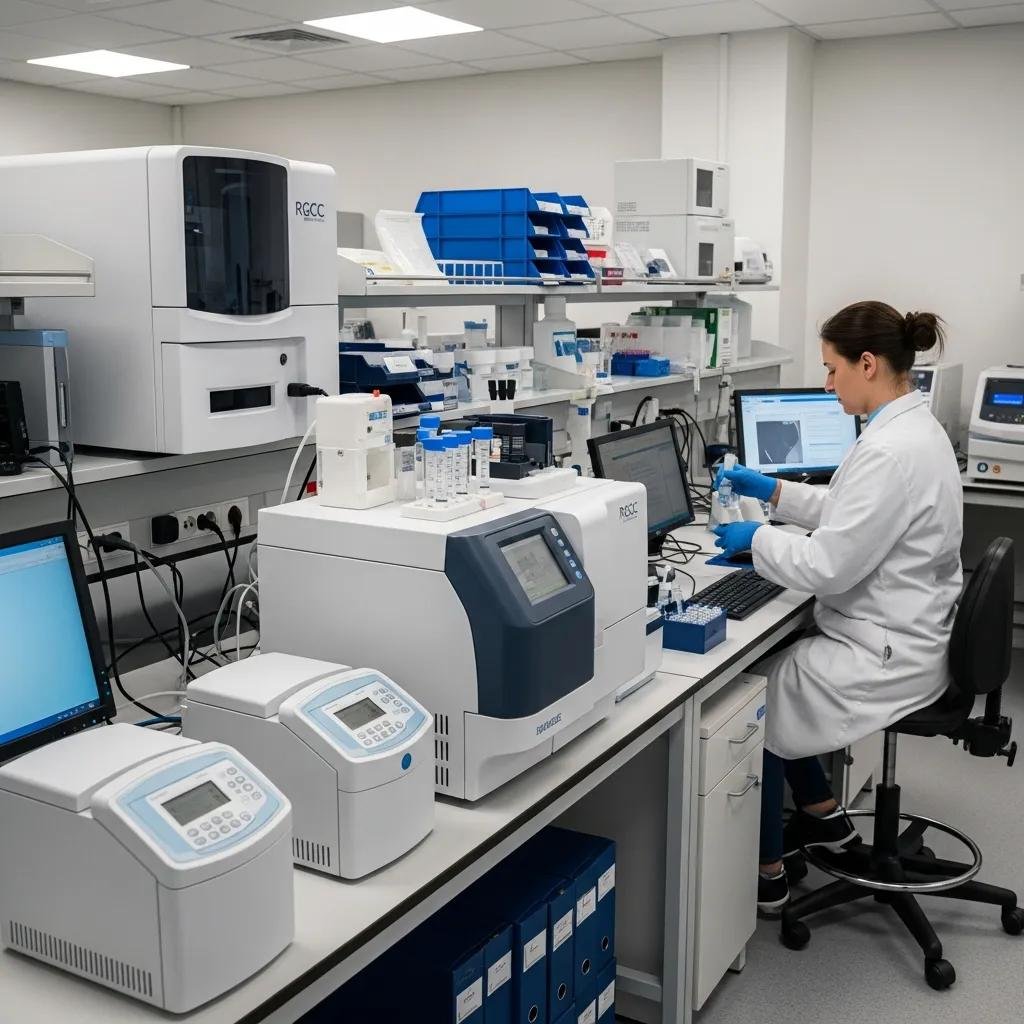
Accurate detection of co-infections requires tests that identify active pathogens or functional cellular responses instead of relying only on delayed antibody formation. Advanced options—RGCC cellular response testing, PCR, and specialized serology—each have a role in a modern clinical workflow. ELISA and Western blot often miss chronic or intracellular infections because of timing and immune evasion, so clinicians increasingly use molecular and cellular assays to find pathogen DNA/RNA or to measure cellular response patterns that indicate ongoing infection. Test selection depends on the suspected pathogen, symptom timing, and prior treatments; combining targeted assays improves sensitivity and helps tailor therapy. Below is a concise comparison of common approaches and when each is most useful.
| Test Approach | What It Detects | Clinical Role |
|---|---|---|
| Conventional Serology (ELISA/Western blot) | Host antibodies to Borrelia and co-pathogens | Helpful for exposure history or early infection but limited in chronic cases |
| PCR / Direct Molecular Tests | Pathogen DNA/RNA in blood or tissue | Detects active infection when the organism is present in the sampled compartment |
| RGCC Cellular Response Testing | Cellular sensitivity patterns and pathogen‑induced responses | Provides functional guidance for personalized therapies such as SOT and highlights cellular reactivity |
How Does RGCC Testing Improve Detection of Bartonella and Babesia?
RGCC testing measures how a patient’s cells respond to pathogens and candidate therapeutics, giving a functional snapshot that can guide personalized treatment choices. Unlike antibody testing, RGCC profiles cell viability and response patterns that suggest ongoing pathogenic influence and can point to agents that reduce cellular stress or pathogen‑related effects. Clinically, RGCC data can inform SOT selection by identifying molecular strategies or adjuncts likely to shift cellular behavior. RGCC is particularly useful when serology is inconclusive or prior treatments produced partial responses, helping prioritize therapies that patients will better tolerate and that have higher potential effectiveness.
Why Are Conventional Lyme Tests Often Insufficient?
Conventional Lyme testing mainly detects antibodies, which are constrained by the timing of the immune response, variability across assays, and reduced sensitivity in chronic or previously treated patients—leading to false negatives and diagnostic uncertainty. Antibody levels may be undetectable early in infection, can decline after treatment, and intracellular co‑infections like Bartonella may not generate robust circulating antibodies. Therefore, clinicians must combine clinical judgment with repeat testing during symptomatic windows and complementary molecular or cellular assays such as PCR and RGCC to build a fuller diagnostic picture. Practical workarounds include symptom‑directed PCR, paired serology over time, and functional testing to detect ongoing immune activation—enabling a more targeted approach to diagnosis and therapy selection.
Which Integrative Therapies Effectively Treat Lyme Disease and Its Co-infections?
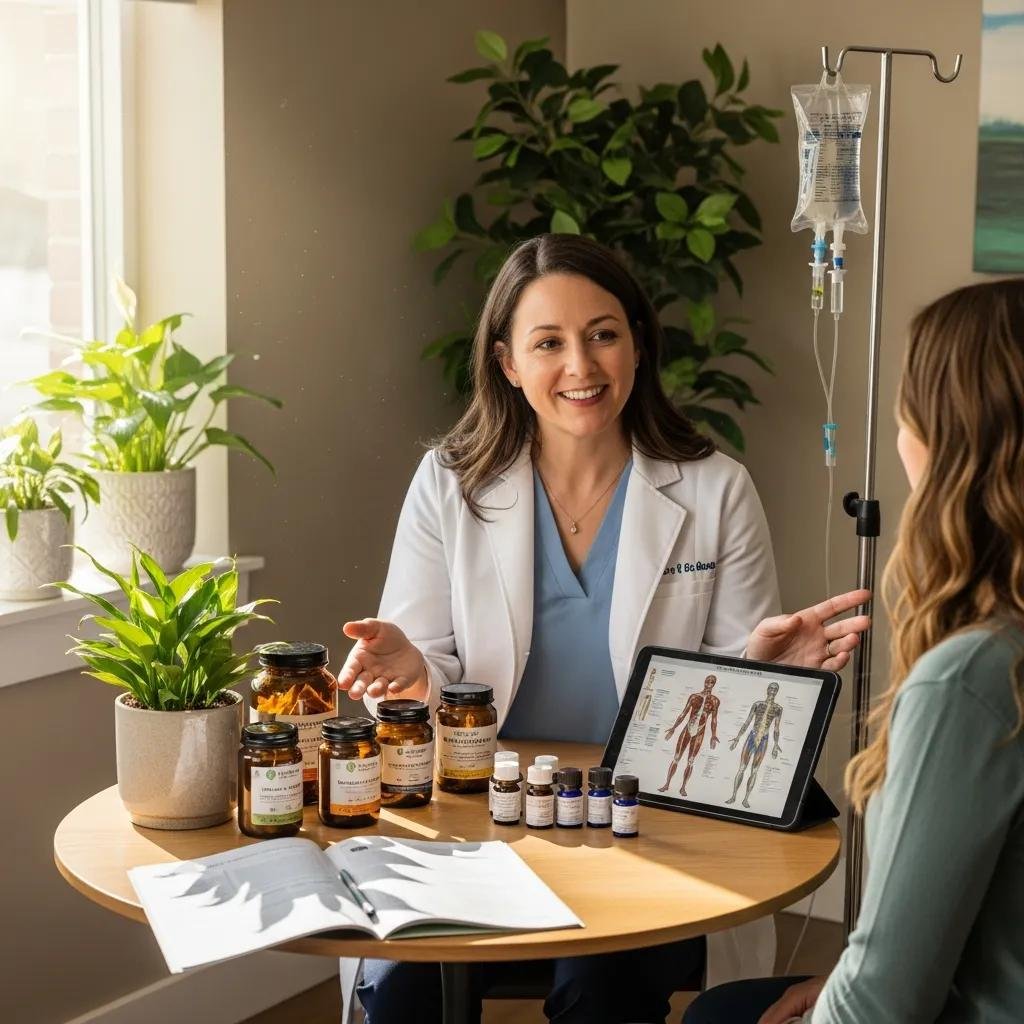
Effective integrative care combines pathogen-targeted antimicrobials with adjunctive therapies that address persistence, immune dysfunction, and tissue repair, with sequencing tailored to the patient’s dominant pathogens and physiological resilience. Core options include conventional antibiotics and antiparasitics when indicated, Photodynamic Therapy for persistent Bartonella, RGCC‑guided SOT to modify cellular responses, ozone therapy as an immune and oxygenation adjunct, plus herbal and nutraceutical protocols to support systemic resilience. Safety and timing are critical: lower pathogen load while supporting detox pathways to reduce intense die-off reactions, and use labs and symptoms to guide adjustments. The table below summarizes common therapies, their mechanisms, and their typical clinical roles.
| Therapy | Mechanism / Attribute | Clinical Benefit / Use Case |
|---|---|---|
| Photodynamic Therapy (PDT) | Photosensitizer combined with light to produce localized antimicrobial oxidative effects | Adjunct for persistent Bartonella foci and biofilm‑associated reservoirs |
| Supportive Oligonucleotide Technique (SOT) | RGCC‑guided molecular modulation using targeted oligonucleotides | Personalized reduction of pathogen‑driven cellular stress |
| Ozone Therapy | Immune modulation and improved oxygen delivery | Adjunctive support for Babesia and systemic immune activation |
| Targeted Antibiotics / Antiparasitics | Pathogen‑directed pharmacologic therapy | Primary approach for active infection when indicated by testing or clinical judgment |
| Herbal Protocols | Multi‑target botanical antimicrobials and adaptogens | Supportive option, often used when pharmaceuticals are contraindicated or as adjuncts |
How Does Photodynamic Therapy Target Persistent Bartonella Infections?
Photodynamic Therapy (PDT) uses a photosensitizer plus a specific light wavelength to produce reactive oxygen species that preferentially damage microbial structures. As an adjunct, PDT can help disrupt intracellular bacterial reservoirs and biofilms where Bartonella persists. It is typically delivered in a series of calibrated sessions—sensitizer administration followed by controlled light exposure—and most patients notice gradual symptom reduction over weeks to months. Safety measures include photosensitivity precautions and careful patient selection; PDT is best used as part of a comprehensive, multi‑modal program rather than as a stand‑alone cure.
What Is the Supportive Oligonucleotide Technique and Its Benefits?
SOT uses short oligonucleotide sequences chosen from RGCC cellular response results to modulate pathogenic signaling and immune activation at a molecular level. SOT is not a broad‑spectrum antimicrobial; instead, it aims to shift dysfunctional cellular responses identified by RGCC toward states that support pathogen clearance and reduce inflammation. Selection follows RGCC output, and effectiveness is tracked with symptom monitoring and repeat functional testing over weeks to months. Patients may experience steady gains in energy, clearer thinking, and less localized pain as cellular reactivity normalizes within a combined therapeutic strategy.
How Can Detoxification and Immune Support Enhance Recovery from Tick-Borne Illnesses?
Detox and immune support help remove metabolic and toxic burdens that impair immune function and hinder healing, while providing nutrients and interventions that restore cellular resilience—so pathogen‑directed therapies can work more effectively. IV nutrient therapies, such as glutathione and antioxidant blends, neutralize oxidative stress from infection and healing reactions; oral anti‑inflammatory diets and targeted supplements stabilize gut‑immune interactions. Ozone therapy can also improve oxygen delivery and immune modulation, which is useful for Babesia‑related hemolytic stress and fatigue. A structured detox and immune plan reduces flares during microbial die‑off and creates physiological conditions that favor durable recovery. The table below outlines common interventions, their pathways, and expected outcomes.
| Intervention | Targeted Pathway | Expected Outcome |
|---|---|---|
| IV Glutathione / Antioxidants | Reduces oxidative stress and supports liver detoxification | Improved energy and reduced inflammatory symptoms |
| High‑dose IV Vitamin C | Immune modulation and antioxidant support | Enhanced pathogen handling and decreased fatigue |
| Ozone Therapy | Oxygenation, antimicrobial adjunct, immune modulation | Improved oxygen delivery and potential reduction of Babesia burden |
| Nutritional Protocols (anti‑inflammatory) | Gut health and lower systemic inflammation | Better symptom control and improved medication tolerance |
What Nutritional and IV Therapies Support Lyme Disease Detoxification?
Nutritional and IV therapies support detoxification and lower inflammation by supplying cofactors for liver metabolism, antioxidant defense, and cellular repair while correcting common deficiencies that impede immune function. Common IV options include glutathione to reduce oxidative stress and nutrient mixes to support methylation and detox pathways; these infusions are given with hydration and electrolytes to enhance tolerance. Oral strategies—an anti‑inflammatory, nutrient‑dense diet, targeted probiotics, and micronutrient repletion—support gut‑immune balance and decrease endotoxin‑driven inflammation. Safety monitoring requires baseline labs and periodic metabolic checks, and treatment frequency is individualized based on symptoms and laboratory findings within a structured clinical plan.
How Does Ozone Therapy Boost Immune Function Against Babesia?
Ozone therapy can modulate immune responses and improve microcirculation and oxygen delivery—benefits that are relevant for patients with Babesia who experience reduced red‑cell oxygen carrying capacity and profound fatigue. Ozone produces a mild oxidative stimulus that upregulates antioxidant defenses and enhances microvascular flow, helping the body manage intracellular parasites and relieve hypoxic symptoms. Delivery methods include autohemotherapy or localized applications; ozone is an adjunct, not a primary antiparasitic, and is used to build clinical resilience and improve symptomatic oxygenation. Typical goals include less fatigue, better exercise tolerance, and smoother responses to antiparasitic regimens, with careful monitoring for transient oxidative reactions and individualized dosing.
What Are Patient Experiences and Outcomes with Integrative Lyme Co-infection Treatments?
Outcomes with integrative care vary, but many patients experience staged progress: early symptom stabilization, gradual decreases in inflammatory markers, and incremental improvements in energy, cognition, and pain when multimodal protocols are applied consistently. Measuring outcomes with patient‑reported symptom scales, functional tests, and lab markers helps guide treatment adjustments and clarifies when to intensify or taper therapies. Anonymized vignettes below illustrate typical clinical journeys where coordinated pathogen reduction, detoxification, and lifestyle optimization produced meaningful improvement over months rather than weeks. These examples set realistic timelines and expectations.
Which Success Stories Illustrate Effective Holistic Bartonella and Babesia Management?
- A middle‑aged patient with chronic cognitive fog and localized head/neck pain received RGCC‑guided SOT plus a brief PDT course and reported steady cognitive gains and pain reduction across three months.
- A patient with cyclical fevers and profound fatigue underwent targeted antiparasitic therapy with adjunct ozone and IV antioxidant support, resulting in fewer fevers and improved daily function within two months.
- A younger adult with suspected Bartonella vascular symptoms combined herbal protocols, PDT, and nutritional optimization and noted reduced pain and improved mood over a six‑month course.
- An older patient with prior antibiotic exposure used RGCC to guide personalized SOT followed by staged detox support and saw progressive improvements in energy and sleep quality over four months.
Why Choose Dr. Fred Bloem for Integrative Lyme Disease Care?
Dr. Fred Bloem at Internal Healing and Wellness MD offers a patient‑centered functional medicine approach with longer visits for thorough root‑cause evaluation, individualized protocols, and integration of advanced diagnostics and targeted therapies. The clinic uses RGCC testing and SOT as diagnostic‑therapeutic bridges and provides adjunctive options—such as Photodynamic Therapy and ozone therapy—when clinically appropriate. Patients receive tailored care plans that emphasize safety, objective monitoring, and stepwise progression from stabilization to restoration of function. To discuss care or schedule a consultation, call (301) 260-2601 or visit our office at 10400 Connecticut Ave Ste 206, Kensington, MD 20895-3941; our team will review initial evaluation steps and what to expect at your first visit.
- Personalized Root‑Cause Focus: Extended evaluations identify immune, hormonal, and toxin contributors that block recovery.
- Advanced Diagnostics Integration: RGCC testing helps inform targeted SOT and individualized therapy plans.
- Therapeutic Range: Access to PDT, ozone therapy, IV nutrient support, and regenerative approaches complements conventional care.
These features create a pragmatic, evidence‑informed path for people facing complex Lyme co‑infections and set the stage for a focused next‑step conversation.
For clinicians and patients working through chronic Lyme and co‑infections, combining advanced diagnostics, targeted adjunctive therapies, and structured detox/immune support offers the most reliable path to functional improvement. If you’re considering an integrative evaluation, call (301) 260-2601 to discuss your case, testing options, and next steps toward personalized care.
Frequently Asked Questions
What are the signs that I might have a Lyme disease co-infection?
Co-infection signs vary, but common indicators include persistent fatigue, unexplained fevers, cognitive fog or mood changes, and unusual migrating pain. Specific patterns depend on the pathogen: Babesia often causes cyclical fevers and signs of hemolysis, while Bartonella may drive neuropsychiatric symptoms and vascular or skin findings. If symptoms overlap or don’t respond to standard Lyme treatment, see a clinician for targeted testing and evaluation.
How can I prepare for a consultation regarding Lyme disease co-infections?
Prepare by collecting your medical history, prior Lyme diagnoses and treatments, and a list of current symptoms. A symptom diary noting timing and severity is very helpful. Bring a list of medications and supplements, and any prior test results. This information helps the clinician form a focused evaluation and personalized treatment plan.
What lifestyle changes can support recovery from Lyme disease and its co-infections?
Supportive lifestyle habits can meaningfully aid recovery: follow an anti‑inflammatory, nutrient‑dense diet; maintain regular, appropriate physical activity; prioritize restorative sleep; and use stress‑reduction practices such as mindfulness or gentle movement. Stay well hydrated and limit toxins like excessive alcohol and processed foods. These measures complement medical treatments and improve overall resilience.
Are there any specific dietary recommendations for those with Lyme disease co-infections?
An anti‑inflammatory diet is often recommended: plenty of vegetables and fruit, lean proteins, healthy fats, and whole foods while avoiding refined sugars, processed foods, and trans fats. Antioxidant‑rich foods (berries, leafy greens, nuts) support oxidative stress, and fermented foods or targeted probiotics help gut health—important for immune function. Work with a nutritionist experienced in Lyme care for individualized guidance.
How long does it typically take to see improvements with integrative treatments for Lyme co-infections?
Timelines vary. Some patients see early stabilization within weeks; others need several months to notice meaningful improvement. Recovery depends on illness severity, co‑infections present, overall health, and adherence to the plan. Regular monitoring and protocol adjustments help optimize the pace of recovery.
What role does detoxification play in the treatment of Lyme disease co-infections?
Detoxification helps remove metabolic waste and environmental burdens that can hinder immune recovery. Strategies such as IV nutrients, dietary changes, hydration, and targeted supplements support liver and cellular detox pathways and reduce inflammation. A tailored detox plan can enhance tolerance to pathogen‑directed therapies and support overall recovery when implemented safely within a clinical framework.
Conclusion
Using advanced diagnostics and personalized therapies for Lyme co‑infections improves clinical clarity and patient outcomes by addressing the multiple drivers of illness. Understanding how co‑infections like Bartonella and Babesia interact with Lyme enables more precise, individualized care that supports faster and more durable recovery. If you’re ready to explore comprehensive, integrative options, contact our clinic to schedule a consultation and begin a structured, personalized path toward better health.

