

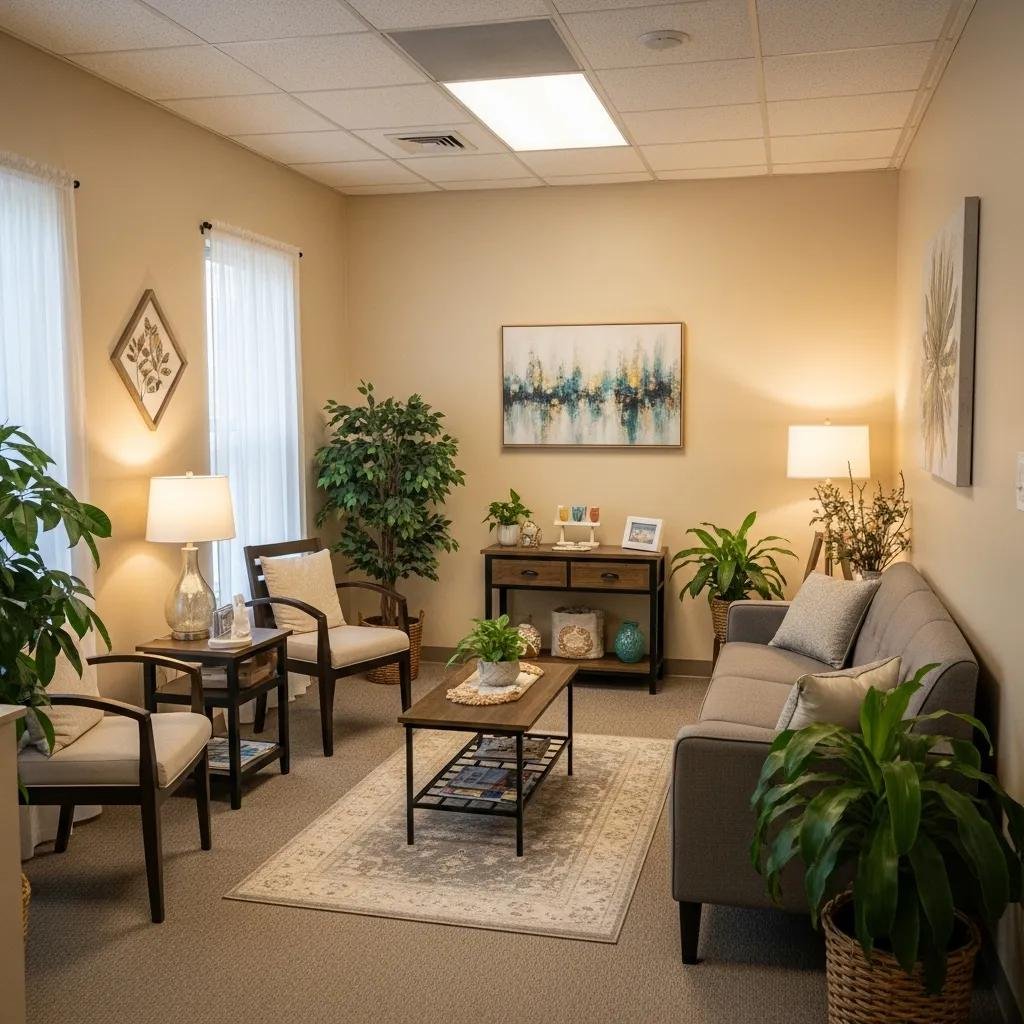
New Patient Guide: Forms, Onboarding, and Preparing for Your First Visit with Dr. Bloem
This page is your practical guide to becoming a new patient with Dr. Fred Bloem — Internal Healing & Wellness MD. Inside you’ll find everything needed to register, complete required forms, prepare for a longer functional medicine first visit, and handle logistics like insurance, payment, and patient-portal access. You’ll learn how registration works, which health-history and consent forms are commonly required, how to submit records securely, and what to expect from a root-cause–focused initial consultation. Many patients seeking integrative care benefit from a structured intake that prioritizes a thorough history, thoughtful lab review, and a personalized care plan. This guide walks you through each phase so you arrive prepared, confident, and ready to make the most of your first visit. The sections below outline the onboarding timeline, explain each form, describe pre-visit preparation and visit flow, review billing considerations, and show how to use the patient portal to submit documents and communicate with the clinical team.
How do I begin my journey as a new patient with Dr. Bloem?
Getting started is simple: reach out to request an appointment, complete registration paperwork, and schedule an extended initial visit designed to uncover root causes and build a personalized plan. We begin by collecting basic demographics and health details, then the clinical team reviews your records and sends any preparatory forms. Next, we schedule your initial appointment—either telehealth or in-person—to review history, symptoms, and goals. The advantage of this coordinated intake is that Dr. Bloem and the care team can plan targeted diagnostics and treatments rather than offering short-term symptom fixes. Below is a clear, numbered pathway to guide you through the first steps.
This numbered list shows the typical new-patient flow for an efficient onboarding:
- Request an appointment: Submit a consultation request and tell us whether you prefer telehealth or an in-person visit.
- Receive an intake packet: We’ll send registration, health-history, and any telehealth consent forms.
- Gather records: Collect prior labs, imaging, and medication/supplement lists and upload them to the patient portal if available.
- Complete forms: Finish registration, health-history, and consent documents before the visit so the clinician can review them ahead of time.
- Initial appointment: Attend an extended, comprehensive consultation focused on assessment and planning.
- Follow-up and testing: The team arranges labs, imaging, referrals, and schedules follow-up visits as needed.
Following this pathway reduces delays and lets your first visit focus on clinical decision-making rather than paperwork. The next subsection explains each onboarding step in more detail so you can anticipate timelines and prepare effectively.
What is the step-by-step new patient onboarding process?
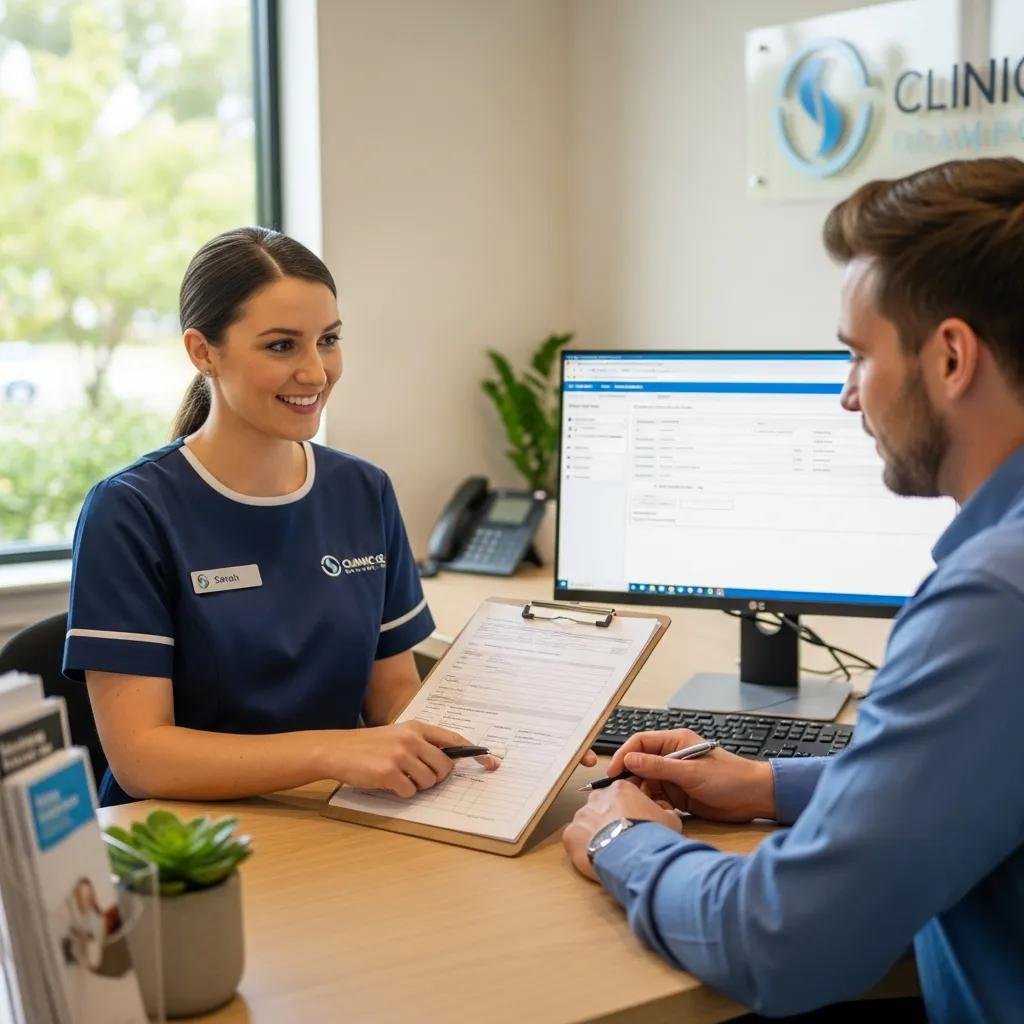
Onboarding starts when you request a consultation and continues through documentation, record transfer, and scheduling so the clinical team can complete a pre-visit review. Typically you’ll receive specific intake forms, instructions for gathering prior medical records, and an option to indicate telehealth preference. This organized sequence helps the team reach an accurate diagnosis and design a personalized plan more quickly. Expect requests for medication lists, relevant imaging or lab reports, and timelines of symptoms to inform the initial evaluation. Timely completion of these steps speeds the process to targeted testing and therapeutic recommendations; the final step coordinates your extended first appointment and any immediate orders or referrals.
Next, learn how Dr. Bloem’s holistic, functional approach shapes the intake and visit priorities.
How does Dr. Bloem’s holistic and functional medicine philosophy shape your care?
Dr. Bloem practices root-cause medicine: longer consultations, individualized care plans, and integration of lifestyle, nutrition, targeted therapies, and advanced diagnostics when indicated. This approach influences onboarding by emphasizing a detailed health history, attention to environmental and lifestyle contributors, and a willingness to combine conventional and integrative modalities for complex chronic conditions. You can expect longer initial visits and a staged approach to testing and treatment that focuses on drivers of illness rather than quick symptom suppression. Knowing this philosophy helps you collect the most relevant records and prepare questions about long-term goals, which increases the value of your first visit and guides personalized interventions.
Where can I find and how do I complete Dr. Bloem’s new patient forms?
New-patient forms are usually available in the Patients section of the website or inside a secure patient portal and may be provided as downloadable PDFs or embedded online forms. Either method streamlines registration and HIPAA-compliant record transfer. You’ll either complete forms directly in the portal or download, sign, and re-upload PDFs; both routes protect sensitive information and let the team review your materials before the visit. Below is a practical list of common forms you can expect and tips for managing them.
The following table lists typical intake forms, what each collects and why it matters, and common submission methods.
| Form Name | What it Collects / Why it Matters | How to Submit / Format |
|---|---|---|
| New patient registration form | Personal demographics, emergency contact, and a brief reason for visit — required to open your chart | Complete online in the patient portal or upload a signed PDF before your appointment |
| Health history intake form | Detailed medical, surgical, family, and lifestyle history — essential for a root-cause assessment | Fill out in the portal or submit a scanned/photographed signed form |
| Medication and supplement list | Current prescriptions, OTC meds, and supplements with dosages — informs interactions and past treatments | Use the portal template or attach a clear list as a PDF or image |
| Consent and telehealth agreement | Permission to treat, telehealth policies, and treatment consents — required before some visits | Electronically sign in the portal or return a signed PDF |
| Medical records release form | Authorization to request prior records from other providers — speeds retrieval of labs and imaging | Sign and return securely so we can collect outside records |
Which patient registration and health history forms are required?
Required items typically include the registration form, a comprehensive health-history intake, a medication/supplement list, consent/telehealth forms, and a medical-records release when prior records are needed for continuity of care. Each form captures a piece of your medical profile — personal details, medical history, medication information, and insurance/payment data — that clinicians combine to build an individualized plan. Completing these forms thoroughly before your first visit lets the team prioritize diagnostic questions, review relevant labs, and design a focused consultation. Set aside time to gather dates of major procedures, ongoing diagnoses, and a complete supplement list to make your intake both efficient and clinically useful.
How do I submit my completed forms securely?
Most practices use HIPAA-compliant methods: secure patient portals with uploads and e-signatures are preferred; if unavailable, alternatives may include in-person drop-off or secure fax. To submit via portal, log in, open the forms or documents section, and upload a scanned PDF or clear photograph of signed paperwork—the benefit is encrypted transmission and automatic attachment to your chart. If you can’t access the portal, confirm alternatives when scheduling, and always protect sensitive documents by removing unnecessary identifiers from copies. After submission, confirm receipt with the clinic so pre-visit review can proceed without delay.
What should I expect during my first holistic medicine consultation?
Expect an extended, structured visit that explores your medical history, lifestyle, prior testing, and goals so the clinician can develop a root-cause plan. The visit is conversational and investigative: clinicians weave narrative history with objective data, using a systems-based review to identify upstream drivers of symptoms. The advantage is a diagnostic-first mindset that reduces trial-and-error treatment and supports long-term, coherent planning. Below is a concise checklist of what typically happens so you can prepare and get the most from the initial consultation.
Patients can expect the following core items during the first visit:
- Comprehensive history review: Time set aside to explore symptoms, past treatments, and lifestyle.
- Medication and supplement reconciliation: A careful review of current therapies and potential interactions.
- Focused physical assessment or functional checks: In-person exams or telehealth-directed observations as appropriate.
- Diagnostic planning: Orders for targeted labs, imaging, or specialty testing to clarify root causes.
- Collaborative goal-setting and next steps: A clear follow-up plan and immediate recommendations.
This checklist clarifies the visit structure and leads into practical steps you can take so the initial consultation is productive.
How should I prepare for my initial functional medicine visit?
Preparation is mainly about gathering prior medical records, a complete medication and supplement list (including doses), recent lab results, and any symptom or food diaries that document important patterns. When clinicians can review objective data ahead of time, your visit becomes a deeper clinical conversation and the team can order more precise complementary testing. Upload records to the patient portal if available, and prepare a short list of your top health priorities and questions so the visit focuses on what matters most to you. Patients who come prepared typically leave their first appointment with a clearer diagnostic path and a prioritized plan.
What happens during the first appointment with Dr. Bloem?
The visit usually begins with a focused review of submitted forms and records, followed by an in-depth conversation about symptom chronology and health goals; if you’re seen in person, a directed physical exam may follow. The process is iterative: history informs a targeted exam, which guides diagnostic orders or immediate recommendations such as nutrition or lifestyle changes. By the end of the visit you should have a clear set of next steps—lab orders, imaging, referrals, or an individualized treatment plan—and an expected timeline for follow-up. This structured flow reduces uncertainty and moves you efficiently from assessment to action.
If you’re ready to proceed after reviewing this section, use the practice’s Request Consultation pathway to start onboarding and indicate whether you prefer telehealth or an in-person first visit; that will trigger the intake packet and scheduling process with the clinical team.
How does insurance and payment work at Dr. Bloem’s practice?
Insurance and payment policies vary among integrative and functional medicine practices. Key things to confirm are whether the clinic is in-network, how out-of-network reimbursement typically works, and what documentation the practice provides to support claims. Reimbursement often involves an itemized statement or superbill you can submit to your insurer for possible out-of-network coverage; this can help offset out-of-pocket costs even when the clinic is not in-network. Because participation and policies differ, confirm details when scheduling. The table below outlines common scenarios so you know what documents and fees to expect.
| Payment Scenario | What’s Typically Provided | Patient Action / Tip |
|---|---|---|
| Self-pay | Direct billing statement and receipt for each visit | Request an itemized receipt for your records and for HSA/FSA reimbursement |
| Out-of-network reimbursement | Superbills or itemized invoices with CPT and diagnosis codes (if provided) | Submit superbills to your insurer; keep copies of receipts and relevant clinical notes |
| Telehealth visits | Electronic invoices and telehealth visit codes shown on statements | Save telehealth receipts and confirm coverage with your insurer for virtual care |
Does Dr. Bloem accept insurance and how does out-of-network reimbursement work?
The publicly available information does not list in-network participation, so please confirm coverage details when you schedule to understand benefits and billing. Many integrative clinics operate on a self-pay or out-of-network basis and will provide documentation—such as itemized invoices or superbills—that you can submit to your insurer for potential reimbursement. If you plan to pursue out-of-network claims, ask at intake which documents the practice supplies and whether CPT/diagnosis codes and provider credentials will be included. Clear billing conversations early in the process reduce surprises and help you plan for expected out-of-pocket costs.
What are the typical consultation fees and payment options?
The practice’s public information does not include specific fees, so request an estimate for initial and follow-up visits when you schedule to set expectations for out-of-pocket costs. Most practices accept card payments and may accept HSA/FSA funds; ask which payment methods are accepted and whether they provide itemized receipts or superbills. If cost is a concern, request a written estimate and discuss phased care planning to space testing and interventions over time. Open billing conversations at the outset help you plan care while keeping clinical progress steady.
How can I access and use the patient portal for my holistic care?
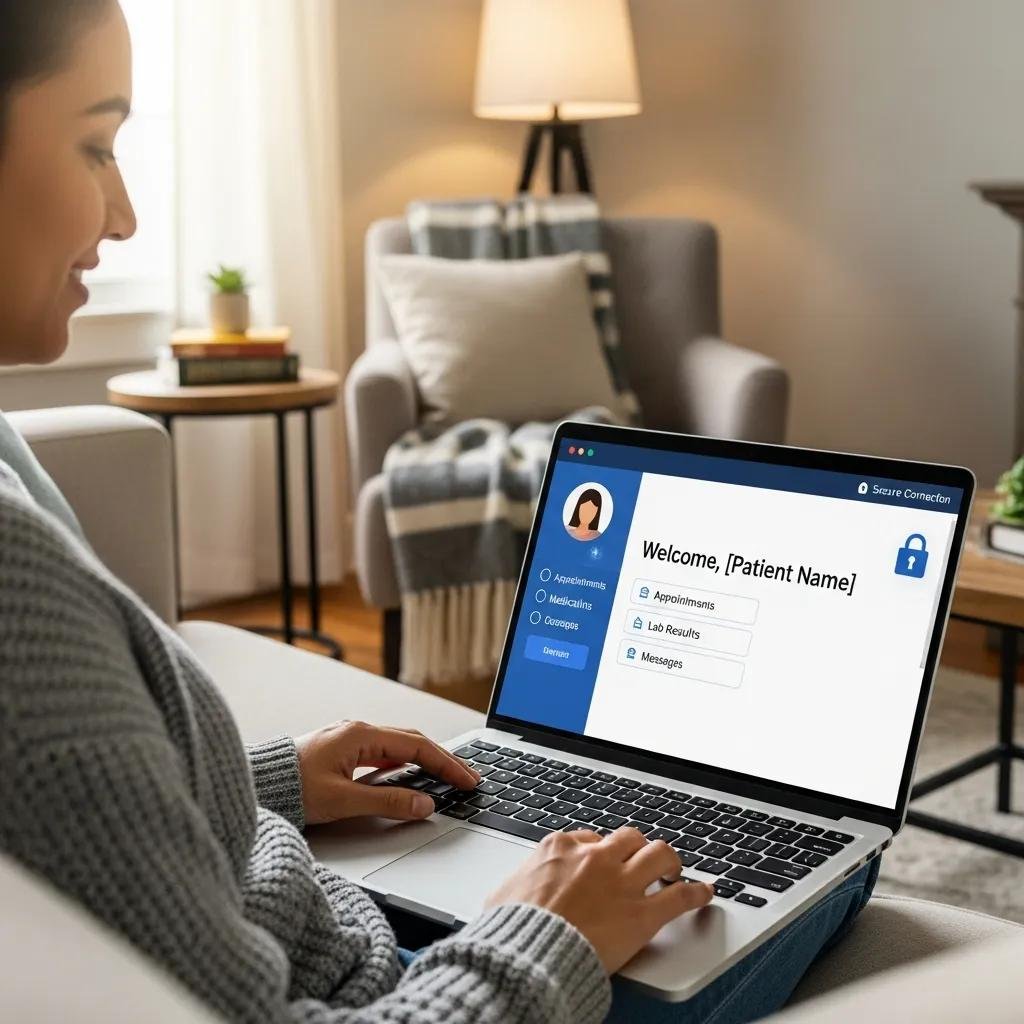
The patient portal is the central hub for completing new-patient forms, uploading prior medical records, messaging the clinical team, and joining telehealth visits. It centralizes communication and protects health information under HIPAA. Portal use typically involves activating your account, completing assigned forms or uploading documents, and using secure messaging for follow-up—this ensures timely clinician review and an auditable record of communications. Below is a quick feature table explaining common portal functions and how they support the new-patient workflow.
| Portal Feature | How to Use It | Benefit to Patient |
|---|---|---|
| Forms and document upload | Log in, complete assigned forms, and upload PDFs or images in the documents area | Secure submission and faster clinician review before your visit |
| Secure messaging | Use the portal message function for administrative or clinical follow-up questions | Preserves privacy and creates documented communication threads |
| Appointment scheduling & telehealth links | View scheduled visits and join virtual appointments directly from the portal | Simplifies telehealth access and reduces scheduling friction |
What features does the patient portal offer for new patients?
Most portals let you upload completed forms, message clinical staff securely, access visit summaries and lab results, and join telehealth visits. These features replace insecure email or paper exchanges with encrypted, auditable communication that attaches documents directly to your chart. For new patients, uploading prior labs and medication lists and receiving instructions through the portal reduces pre-visit administrative friction. Using the portal early ensures your records are in the chart and speeds diagnostic planning.
How do I set up and navigate the patient portal?
Portal setup usually begins with an activation email or code sent after intake; follow the activation link, create secure credentials, and complete the profile prompts to connect your chart. After logging in, go to the forms or documents section to finish assigned intake packets, use messaging to confirm receipt of uploads, and check appointments for telehealth links on the day of your visit. If you don’t receive an activation message, contact the practice’s administrative team during scheduling to request portal access. Resolving access early improves pre-visit workflows and lets clinicians perform a thorough pre-visit review.
These steps help ensure reliable record exchange and allow the clinical team to prepare the most informed initial consultation possible.
What are the most common questions new patients have about Dr. Bloem’s practice?
Prospective patients often ask about clinic location and hours, how to reach the office, which services and conditions are treated, and whether telehealth is available. Clear answers to these logistics help you decide if the practice aligns with your needs and streamline scheduling. Below you’ll find the clinic address and a concise list of core services commonly offered at a holistic, functional medicine practice like Dr. Bloem’s.
Where is the clinic located and what are the office hours?
The clinic’s physical address is 10400 Connecticut Ave Ste 206, Kensington MD 20895-3941 — this is the location for in-person visits. For current office hours, appointment availability, and any real-time updates, please consult the practice’s public business profile or confirm details when you request a consultation, as hours can change. Parking and public-transit options depend on the building and local routes; check local resources or ask the administrative team when scheduling so you arrive on time for in-person visits.
Which conditions and services are offered for new patients?
The practice provides a broad range of integrative services focused on root-cause evaluation and management, including bioidentical hormone replacement therapy, anti-aging medicine approaches, regenerative joint therapies, intravenous and biooxidative treatments, supportive cancer care, and specialized management for complex chronic illnesses such as Lyme disease. These services are delivered through multidisciplinary assessment and targeted interventions that combine lifestyle changes, diagnostics, and specialty therapies when appropriate. Patients with hormonal imbalance, chronic inflammatory conditions, or post-treatment support needs often benefit from this model. Choosing care that matches your primary health goals—whether hormone optimization, chronic disease management, or recovery support—helps shape a practical plan during the initial consultation.
In short, the practice’s services aim to provide symptomatic relief and long-term functional restoration through individualized, evidence-informed integrative care.
- Prepare records and forms in advance: Upload them via the patient portal so clinicians can review them before your visit.
- List top health priorities: Bring a concise list of the most important symptoms and goals to guide the conversation.
- Confirm logistics at scheduling: Clarify telehealth versus in-person preference and ask about documentation needed for insurance reimbursement.
Frequently Asked Questions
What should I bring to my first appointment with Dr. Bloem?
Bring any relevant medical records, a complete list of medications and supplements (with doses), and recent lab results if available. Also prepare a short list of your top health concerns and questions. Having these documents and priorities ready allows Dr. Bloem and the team to provide a more informed, efficient consultation tailored to your needs.
How long can I expect my first visit to last?
The initial consultation typically runs between 60 and 90 minutes. This extended time allows for a thorough review of your health history, lifestyle, and symptoms so the clinician can develop a personalized plan focused on root causes rather than quick fixes.
Can I schedule follow-up appointments online?
Yes. You can schedule follow-up visits through the patient portal. The portal shows available time slots and lets you select a convenient date and time. It also provides reminders and appointment details so you can manage care without needing to call the office.
What if I have questions after my appointment?
If questions come up after your visit, use the patient portal’s secure messaging feature to contact Dr. Bloem’s clinical team. This keeps communications private, documented, and easy for the team to respond to in a timely manner.
Are there any specific dietary recommendations I should follow before my first visit?
There are no strict dietary rules before your first visit. Maintain your usual, balanced diet and avoid making major changes immediately beforehand. If you have notable dietary restrictions or recent changes, note them so you can discuss them with Dr. Bloem during the visit.
How does Dr. Bloem's practice handle patient confidentiality?
The practice follows HIPAA guidelines to protect patient privacy. Communications through the patient portal and other secure channels are encrypted, and health information is shared only with authorized personnel involved in your care. You can trust that your sensitive information is handled with care and confidentiality.
Conclusion
Becoming a new patient at Dr. Bloem’s holistic medicine practice means a structured onboarding that prioritizes individualized assessment and thoughtful planning. By completing required forms, preparing records, and using the patient portal, you help the team deliver a more informed and productive first visit. When you’re ready, schedule a consultation to begin a personalized path toward improved health and function.

